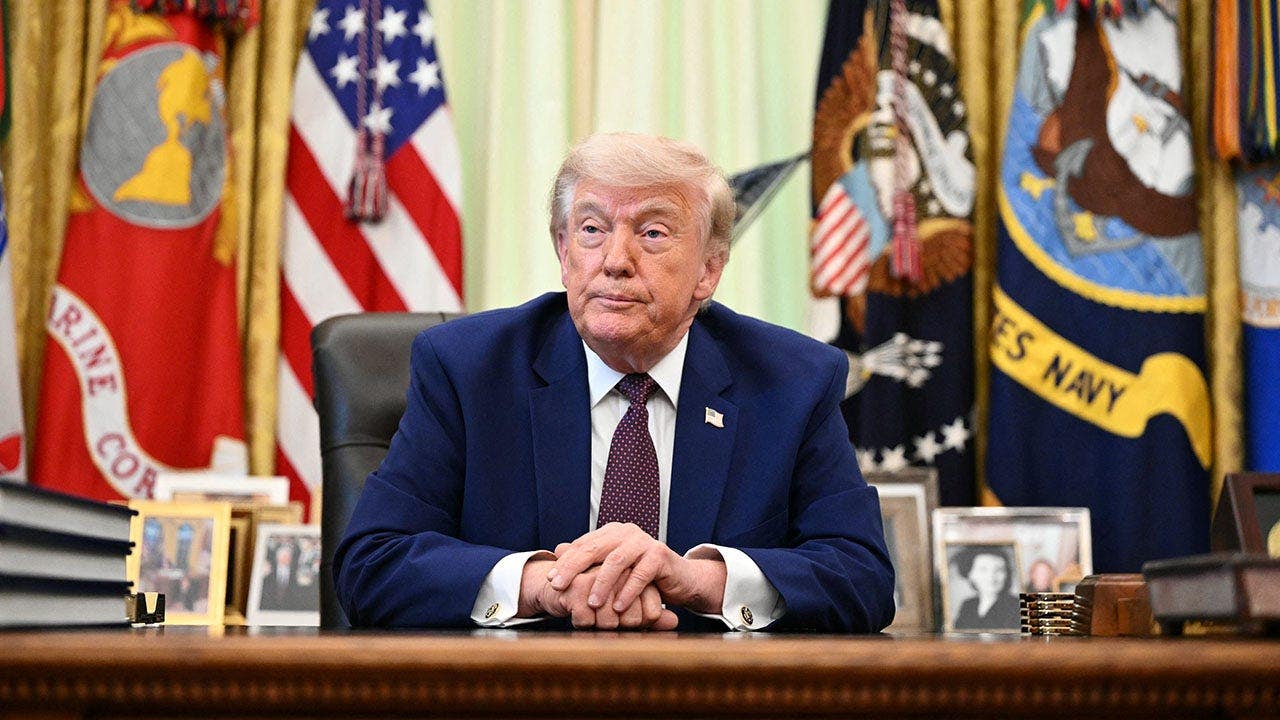
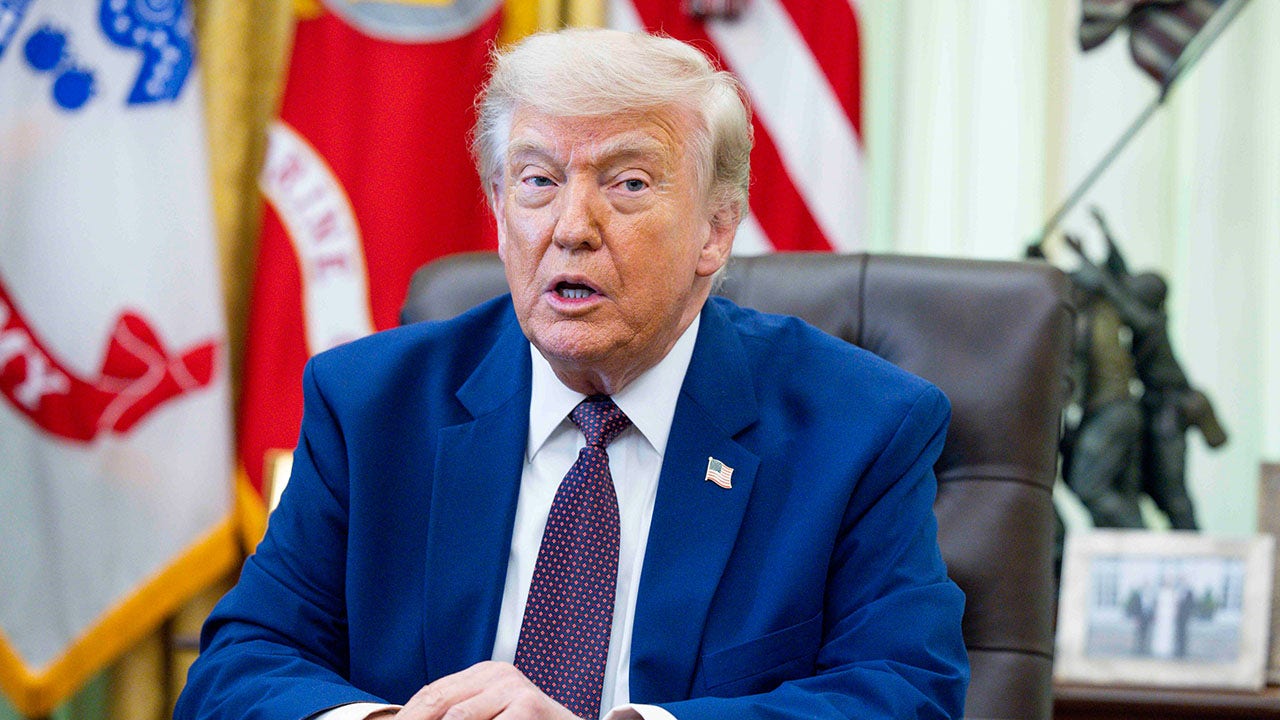
Senate Republicans pushed through a $70 billion immigration enforcement bill in a late-night vote-a-rama, allocating over $30.7 billion to ICE, $22.5 billion to CBP, and $2.5 billion to DHS through 2029. The bill passed 52-47 and survived attempts to strip out a controversial settlement fund provision. Trump claimed a win, even as intra-party friction continued to simmer.
Eighteen House Republicans crossed the aisle to pass a $1.3 billion Ukraine aid package, including direct loans and Pentagon weapons transfers, by a vote of 226-195. The White House issued a veto threat almost immediately. The bill now heads to what promises to be a rocky Senate fight.
The U.S. economy added 172,000 jobs in May — nearly double the 85,000-job forecast — while unemployment held steady at 4.3 percent. Leisure and hospitality led the gains, hourly wages rose 0.4 percent, and job openings hit 7.6 million, the highest in nearly two years. Inflation remains the stubborn counterweight to an otherwise strong headline number.
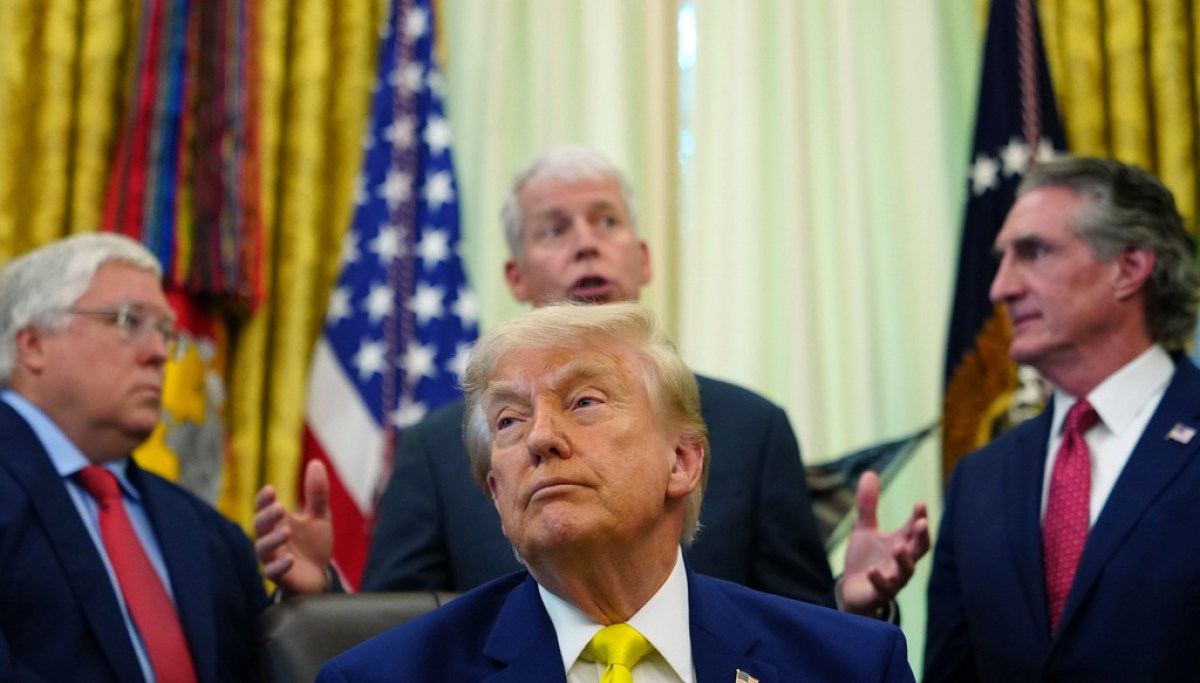
Congress returned this week to a stack of looming deadlines, with FISA Section 702 reauthorization due by June 12 topping the list. Republican unity is showing cracks ahead of the 2026 midterms, and a Washington Examiner report card described the week as "confusing" — including Trump going seven straight days without press pool questions before a Wednesday Oval Office signing.
Ukrainian President Zelenskyy issued a public letter to Putin calling for a bilateral meeting, warning it would be wrong to simply wait while the U.S. is focused on Iran. He proposed Switzerland, Turkey, or the Arab world as possible venues and offered a full ceasefire during any negotiations. Zelenskyy added that if Putin refuses, he expects a strong reaction from Washington.
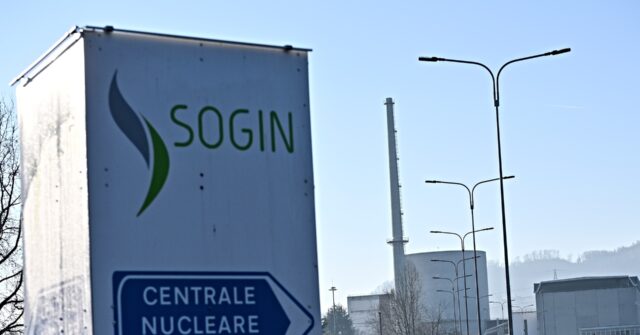
Italy's Chamber of Deputies approved the Pichetto sustainable nuclear energy bill 155-86, starting the country's path back to nuclear power nearly four decades after voters banned it in a 1987 referendum. The legislation sets up regulatory frameworks for Small Modular Reactors, Advanced Modular Reactors, and micro-reactors. The bill now heads to the Italian Senate, with the government aiming for final approval before summer recess.
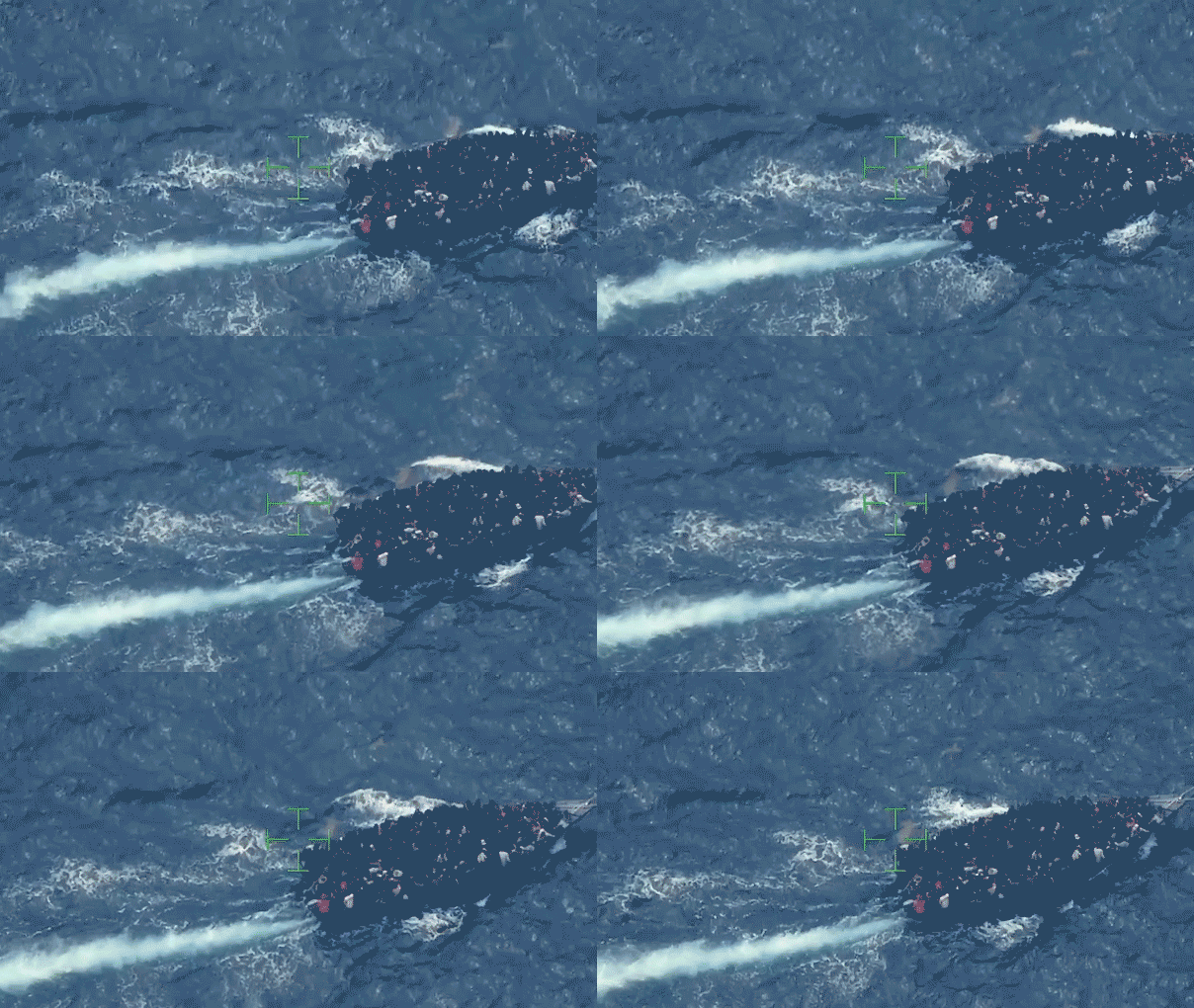
A joint U.S. Customs and Border Protection and Turks and Caicos operation intercepted an overcrowded, sinking migrant vessel carrying 240 people — 191 adult males, 44 adult females, and 5 minors — roughly 65 miles south of the islands. The boat was dead in the water and taking on water at nightfall. All 240 were taken into custody before reaching U.S. territory.
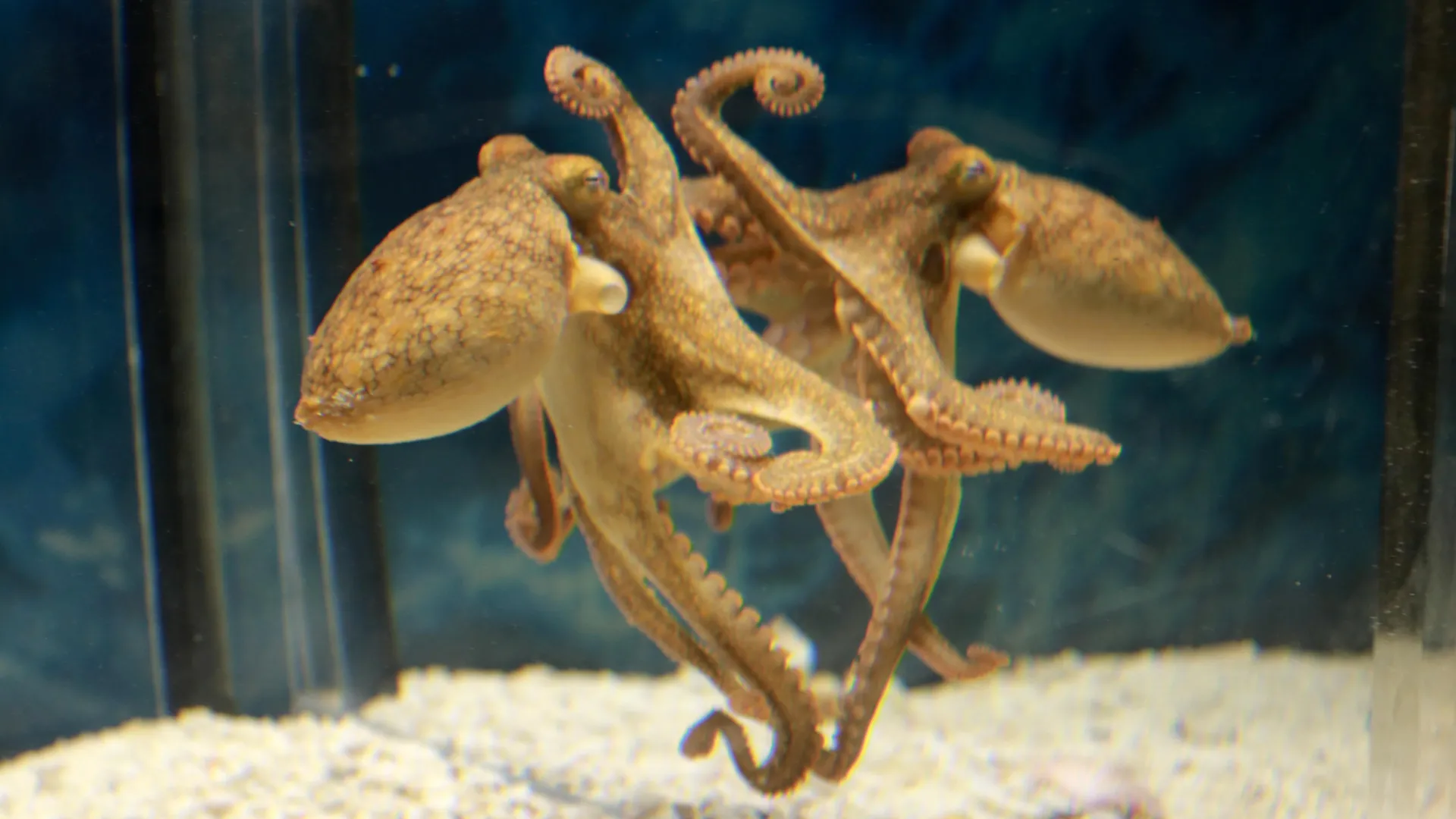
Dartmouth researchers published findings in Current Biology showing California two-spot octopuses can learn to use mirrors to locate food hidden outside their direct line of sight — a cognitive skill previously documented only in vertebrates. The octopuses found the hidden food correctly about 73 percent of the time after training. Lead author Mary Kieseler called it the first demonstration that invertebrates can use mirrors to understand their environment.
An international team at HZB's BESSY II facility used advanced spin-resolved measurements to reveal a dense network of topological electronic states hidden inside cobalt — a metal long considered fully understood. The states hold stable at room temperature and can be switched using magnetism, potentially unlocking new paths for next-generation computing and spintronics. The findings were published in Communications Materials.
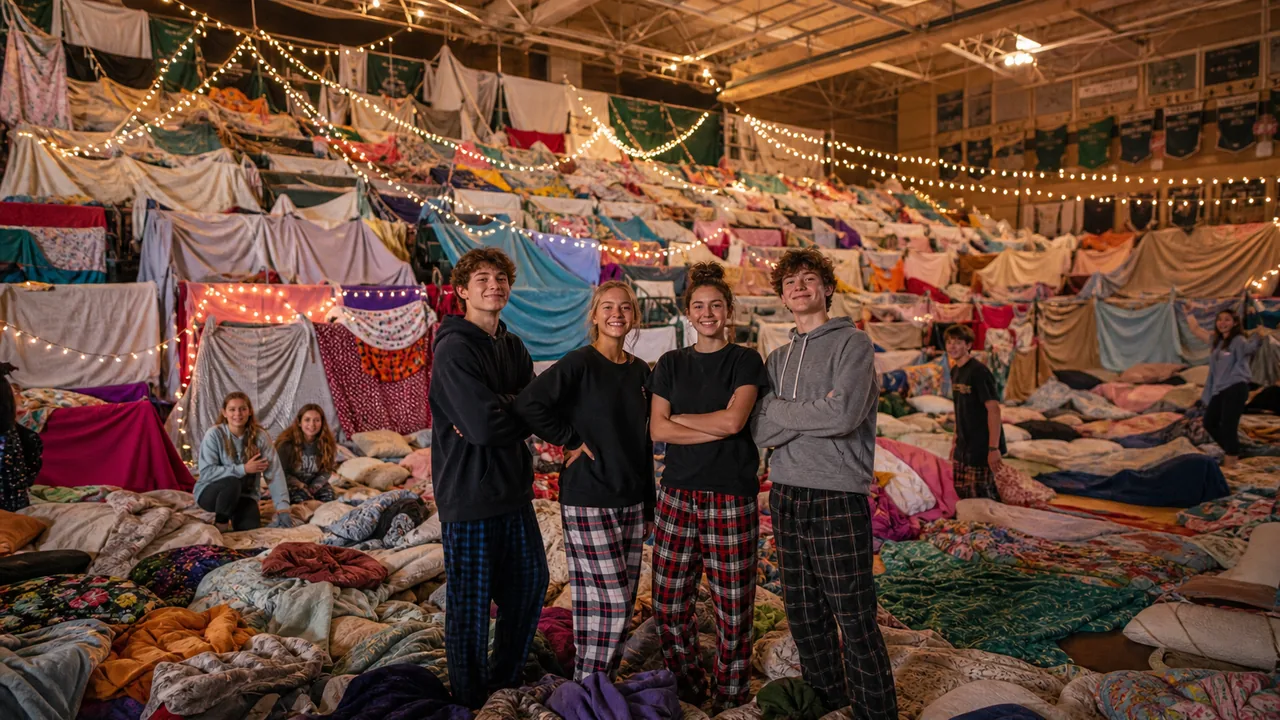
A group of Nevada high school students officially shattered the Guinness World Record for the world's largest blanket fort, clocking in at 14,103 square feet. Guinness officials were on-site to certify the feat, which required filling an entire school gymnasium and then some. No word yet on whether anyone volunteered to sleep in it.