Relevance 10/10Importance 9/10
German AI lab Aleph Alpha dropped Kolibri today — a 78-billion-parameter Mixture-of-Experts model with only about 3 billion active parameters, a one-million-token context window, trained on 20 trillion tokens in 21 days across 768 B200 GPUs. It's Apache 2.0 on Hugging Face, and Aleph Alpha claims it matches models with four times the active parameters on math, reasoning, code, and agentic benchmarks, with standout German-language performance. The "sovereign" pitch is full supply-chain transparency plus IP safety for regulated buyers in public administration, aerospace, and manufacturing.
Relevance 10/10Importance 8/10
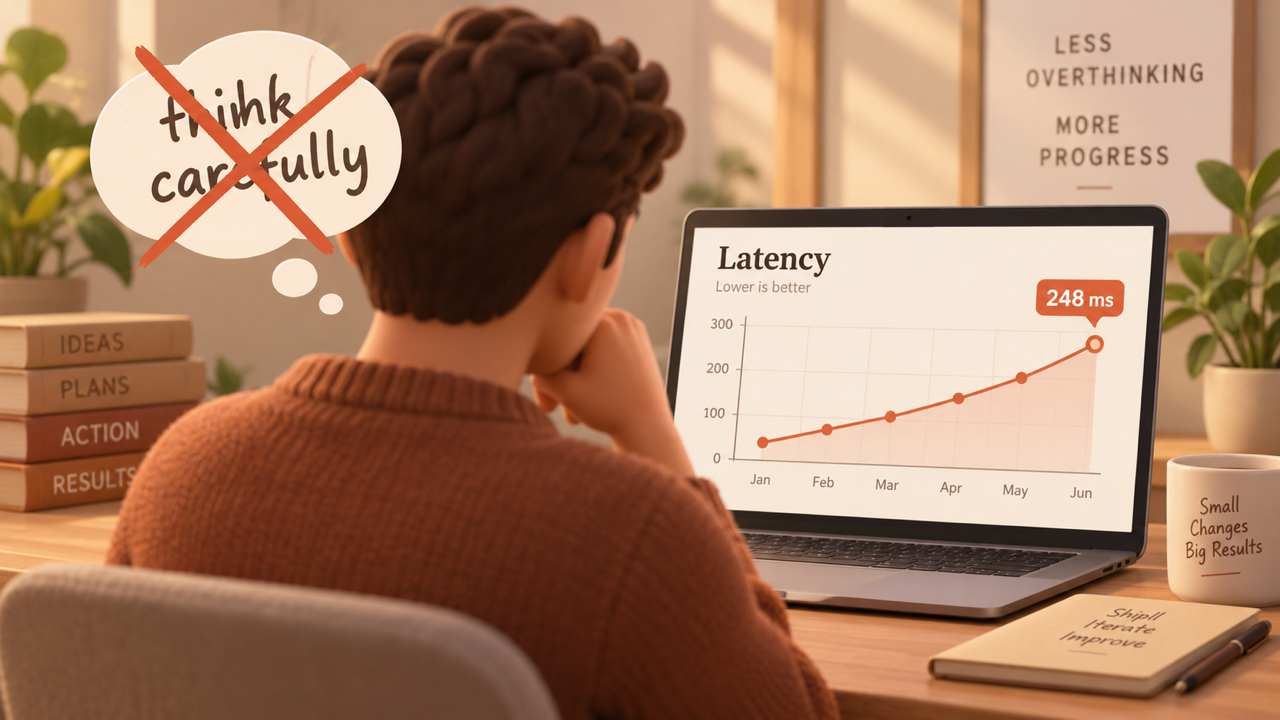
Anthropic published a prompting playbook for Opus 5.5, and the headline advice is counterintuitive: stop telling it to think. The model now decides its own reasoning depth before every reply, and dropping "think carefully" instructions made responses start sooner with no measurable quality loss. It also runs longer autonomously and will pause mid-task to report status rather than barrel ahead — so the recommended pattern is hand over the whole task, define what "done" means, say when to stop and ask, then get out of the way.
Relevance 10/10Importance 8/10
Cloudflare is throwing down a challenge: Git was designed for humans writing code, and nobody has built version control for thousands of agents hammering the same repo simultaneously. They've put Artifacts into open beta as the foundation — programmable repo creation and forking, Git-compatible versioned storage, Workers bindings, push and fork event subscriptions, and US-or-EU data jurisdiction controls. Top three teams get flown to Cloudflare Connect, first place takes 25,000 dollars in credits, and the deadline is October 14th.
Relevance 9/10Importance 7/10
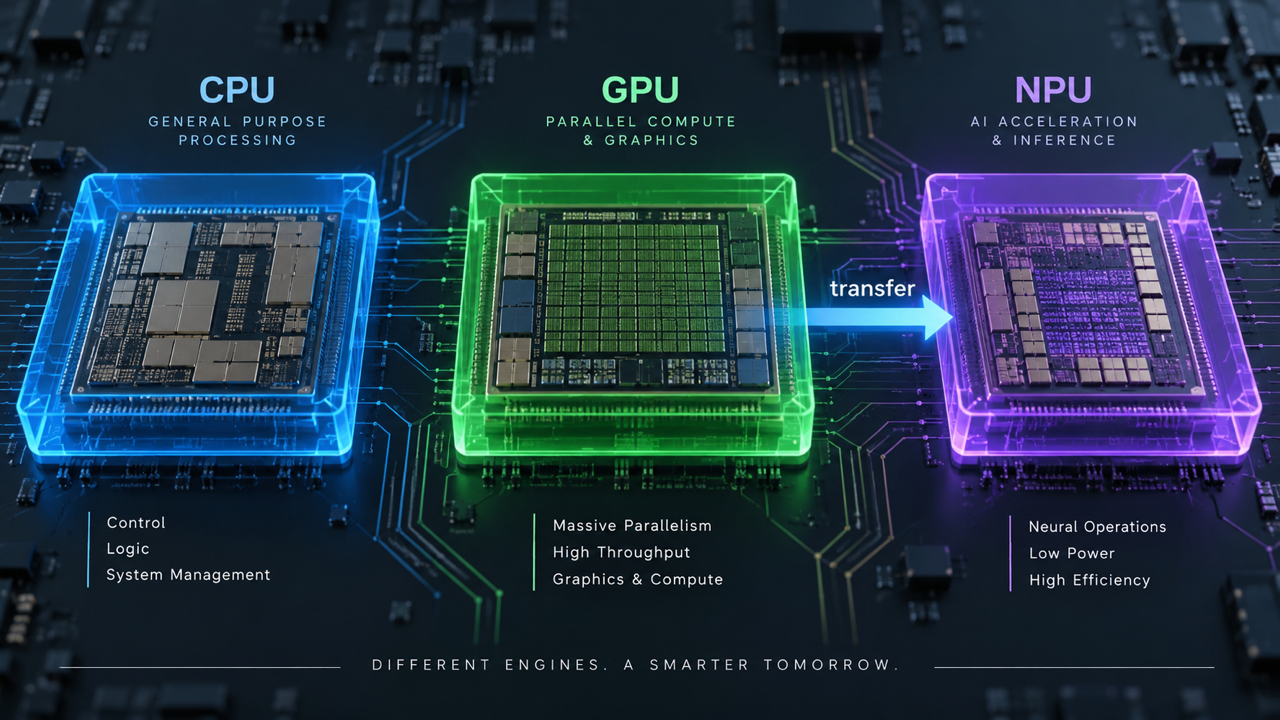
Vx is a systems language from Aditya Kumar's Vx Project that puts memory placement and reachability directly into the type system — so dereferencing a device pointer from the host becomes a compile error instead of a 3 a.m. segfault. A tensor in NPU high-bandwidth memory is a genuinely different type than one in host DRAM, and moving between them requires an explicit transfer call. It ships "machine files" describing real hardware — H100, H200, B200, A100, MI300X, Apple M4 — so the compiler can verify your placements actually fit the silicon, with backends through LLVM, NVVM, and vendor plugins.
Relevance 9/10Importance 6/10
Pi Pod wraps the pi agent harness in a self-hosted sandboxing layer, adding isolated agent sessions, native clients, RBAC-based session sharing, and surface automation. The pitch is keeping pi's tinkerable simplicity while bolting on the isolation and access controls an actual organization needs. It's open source on GitHub, self-hosted only for now, with a managed version on the roadmap — aimed squarely at people who want agentic infrastructure in their own data center without vendor lock-in.
Relevance 7/10Importance 7/10
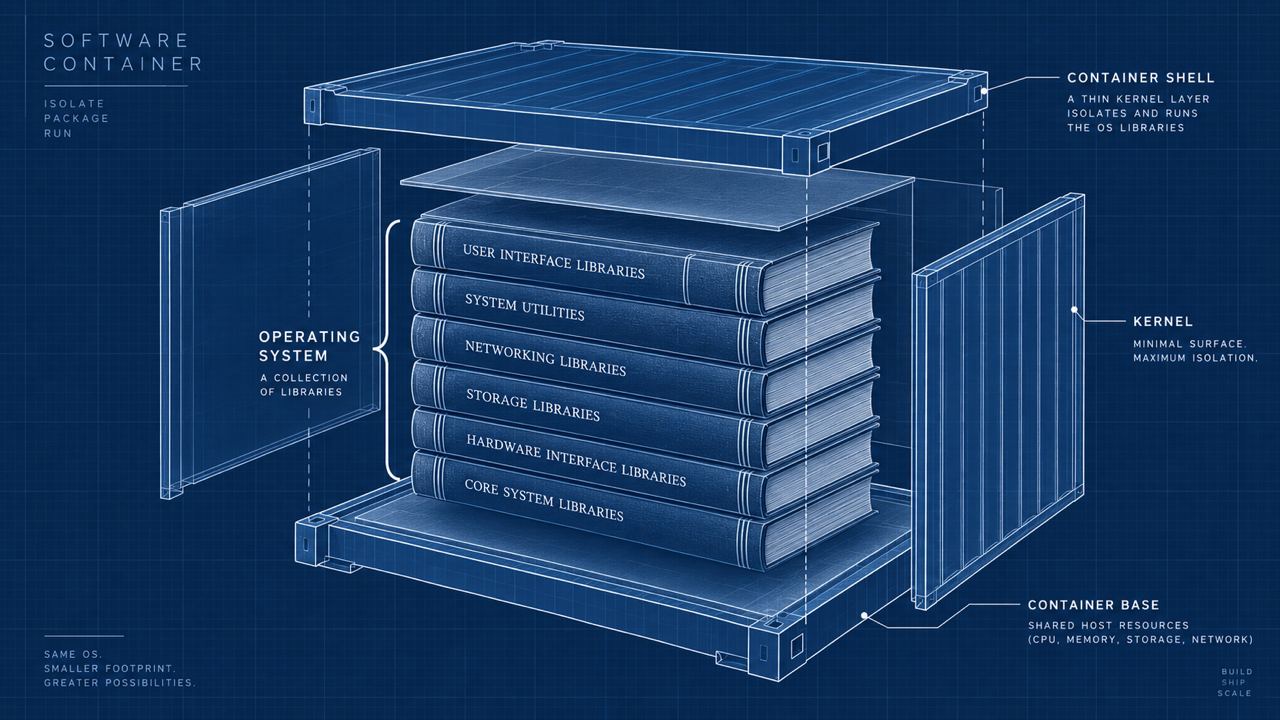
FTL rethinks containers by treating the operating system as a library instead of a monolithic kernel: a userspace OS shared library implements Linux abstractions, while a minimal FTL kernel provides hardware isolation through user-mode execution, hypervisor-style. The goal is making lightweight containers as secure as VMs while letting developers extend OS behavior without writing kernel code, and unmodified Linux binaries run inside. It's early — v0.0.1 ran an HTTP server in September, v0.1.0 added async Rust with threading and epoll this month, with filesystem, Node and Go support, SMP, and ARM64 still to come.
Relevance 3/10Importance 4/10
Kevin Cox's evergreen guide argues for Atom over RSS 2 for new feeds because the spec has far less ambiguity, then walks through the unglamorous details: correct Content-Type headers, absolute URLs only, HTTPS with HTTP redirects, and full post content rather than teaser summaries. The hard rules are around identity — never change or reuse an entry ID, use permalinks as IDs, and never backdate publication timestamps. It closes on performance: sub-second responses, proper caching headers, ETag conditional requests, CORS for browser-based readers, and WebSub if you want push.
Relevance 2/10Importance 3/10
Hole Punch is a browser-based turn-based puzzle game where you slingshot a ship — Unit 0426, Mark Two — through gravitational fields across a series of sectors. Resource management on fuel and matter plus undo and reset mechanics make it a planning puzzle rather than a reflex test. It's built with plain web technologies and SVG graphics, landscape-oriented, and leans deliberately minimalist.
Relevance 1/10Importance 3/10
A man in Webster, New York, marked an unusual milestone: the hundredth birthday of the kidney his mother donated to him when he was a teenager. Transplanted kidneys typically function for a fraction of that span, making the case genuinely remarkable to the transplant community.
Relevance 1/10Importance 2/10
A Grade II listed 1936 control facility built to manage electricity distribution across Southern Rail, designed by James Robb Scott — an oval room under a white domed ceiling, with four cast iron poles holding copper dishes and rugby-ball bulbs around a single small switchboard desk. Two on-site engineers could reroute power through wall panels mapped to substations along the line, using mercury arc rectifiers, and they hand-cranked a telephone switchboard to make calls. It ran until 1997; of five such rooms built, only one other survives, stripped and used for storage.

 HN Briefing PM