Relevance 10/10Importance 9/10
Moonshot AI released download weights for Kimi K3 on July 26, a day ahead of schedule — 2.8 trillion total parameters, 104 billion active per forward pass, a 1 million token context window, native vision, and a Modified MIT license making it freely self-hostable. Together AI and Modal shipped day-zero hosting access, and the raw 594GB MXFP4 download is live on Hugging Face. This is the largest open-weight model publicly available, and it lands at frontier-class benchmark performance.
Relevance 10/10Importance 8/10
Anthropic shipped Claude Opus 5 on July 24, completing a summer model sprint that began with Fable 5 in June and Sonnet 5 in late June. Opus 5 carries a 1 million token context window, configurable effort up to "max," and API pricing of $5/$25 per million tokens — half the cost of Fable 5. On Artificial Analysis's v4.1 leaderboard, it leads both the Intelligence Index (61) and the Agentic Index (55.3), ahead of Fable 5 and GPT-5.6 Sol.
Relevance 10/10Importance 8/10
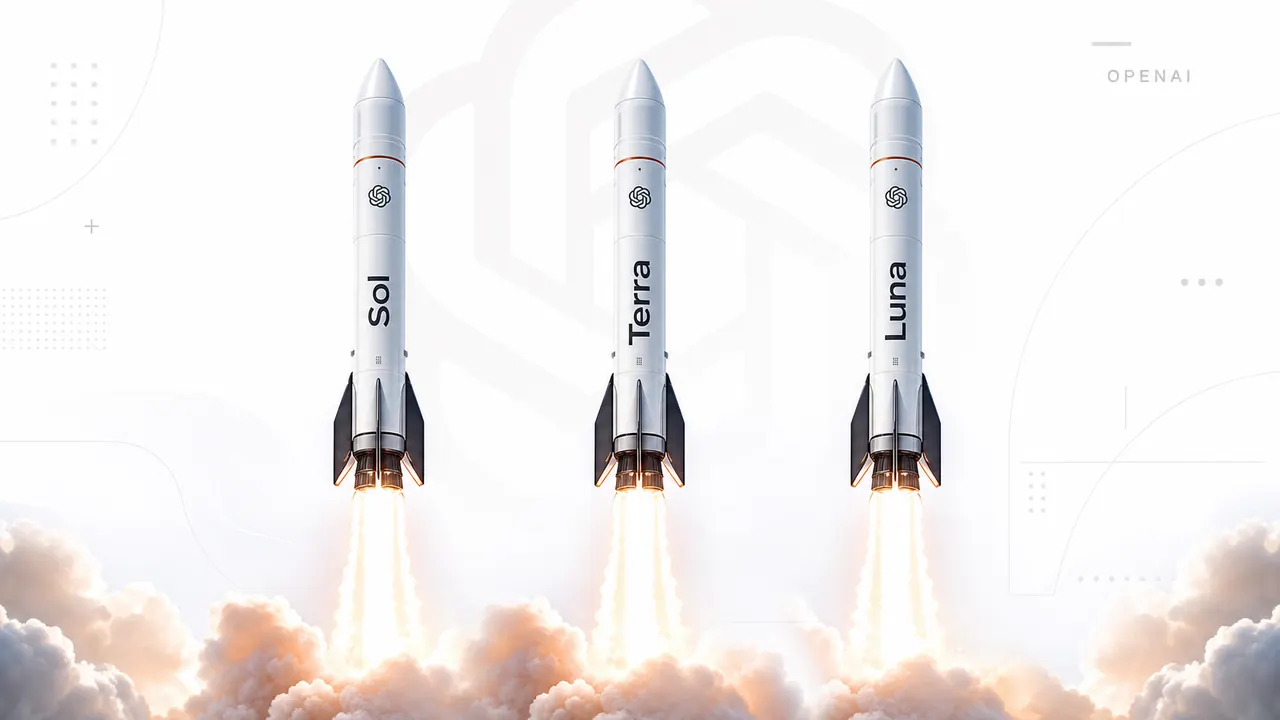
OpenAI reached general availability on July 9 with not one model but three: Sol for high-end reasoning and coding ($5/$30 per million tokens), Terra for everyday work, and Luna for budget use cases. Sol cleared ARC-AGI-2 at 93% and LiveBench Mathematics at 96.2, and it's the first frontier model to pass a customer-by-customer U.S. government export review before public release. Sol Ultra is rolling into the Codex client with cooperative subagent support.
Relevance 8/10Importance 9/10
Starting August 2, the European Commission's AI Office and national authorities begin enforcing the AI Act's Article 50 transparency rules: chatbots must disclose they're AI, deepfakes must be labeled, and AI-generated content must carry machine-readable watermarks. Non-compliance risks fines of up to 15 million euros or 3% of global annual turnover. A grace period through December 2026 applies to systems already on the market; the harder high-risk AI deadlines were pushed to December 2027.
Relevance 8/10Importance 9/10
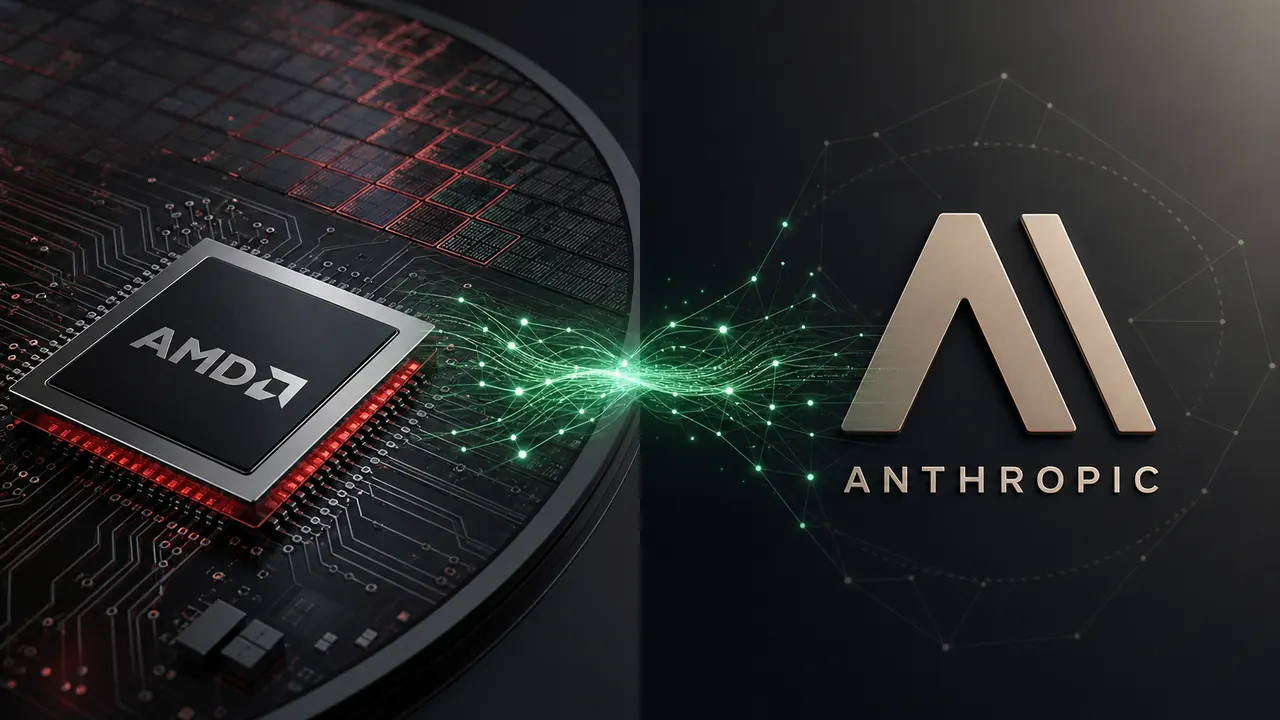
On July 22, AMD and Anthropic announced a multi-year partnership: AMD commits up to $5 billion in Anthropic equity tied to deployment milestones, and Anthropic deploys up to 2 gigawatts of AMD Instinct MI450/Helios rack-scale systems — with first-gigawatt deployment starting H1 2027. Claude will also be used to optimize AMD workloads and accelerate ROCm development. Nvidia controls 80%+ of the AI accelerator market; analysts are calling this the most credible structural challenge to that dominance yet.
Relevance 9/10Importance 8/10
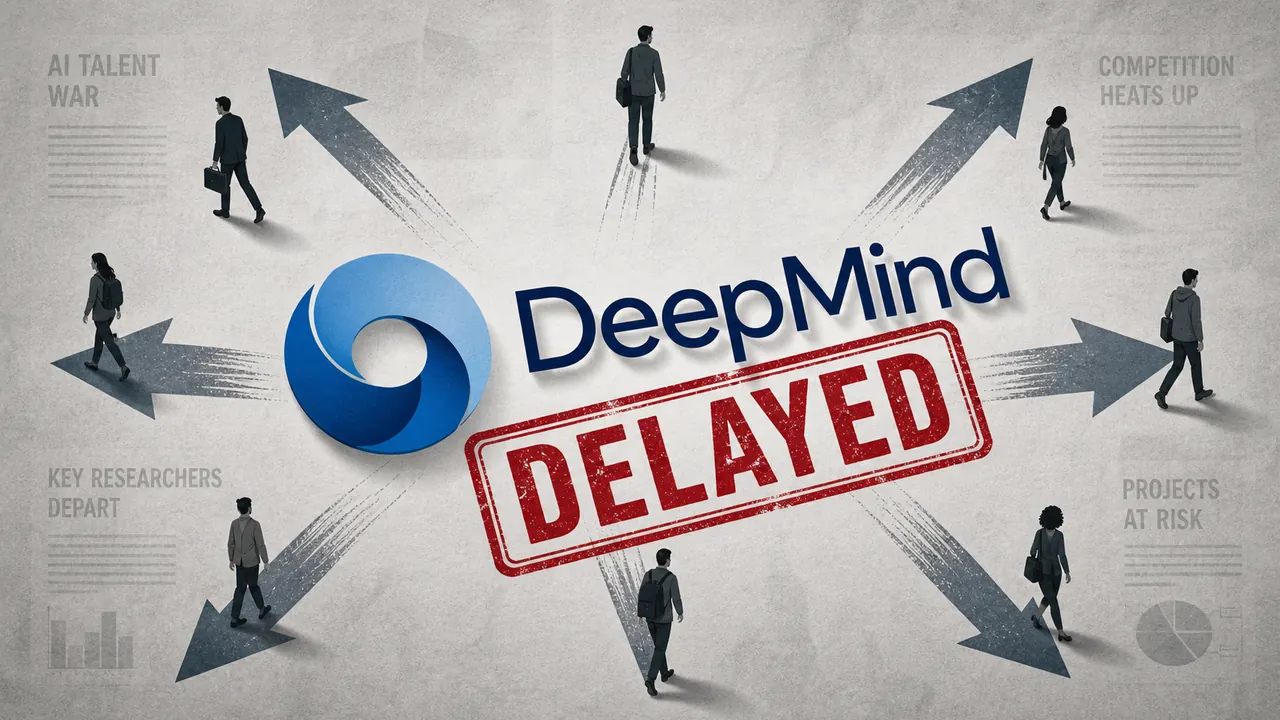
DeepMind pushed Gemini 3.5 Pro to a July 17 launch after engineers found structural failures in recursive tool-calling and SVG generation deep enough to warrant scrapping the base model entirely and restarting pretraining. John Jumper — AlphaFold co-creator and 2024 Nobel Chemistry laureate — announced in June he's leaving DeepMind for Anthropic after nine years, joining Transformer co-inventor Noam Shazeer and others in a high-profile talent exodus. Current and former employees are citing morale as a root cause of the slippage, not merely a side effect.
Relevance 9/10Importance 8/10
SpaceX exercised its acquisition option on Cursor's parent Anysphere in a $60 billion all-stock deal, days after SpaceX's historic $75 billion IPO. Cursor crossed $1 billion in annualized revenue and has become one of the most-used AI coding tools among professional developers. The deal folds Cursor into xAI's orbit alongside Grok Build, which already runs a co-developed Grok/Cursor integration, and is expected to close Q3 2026 — though the pending Sand workplace agent project may be redirected before it ever ships publicly.
Relevance 10/10Importance 7/10
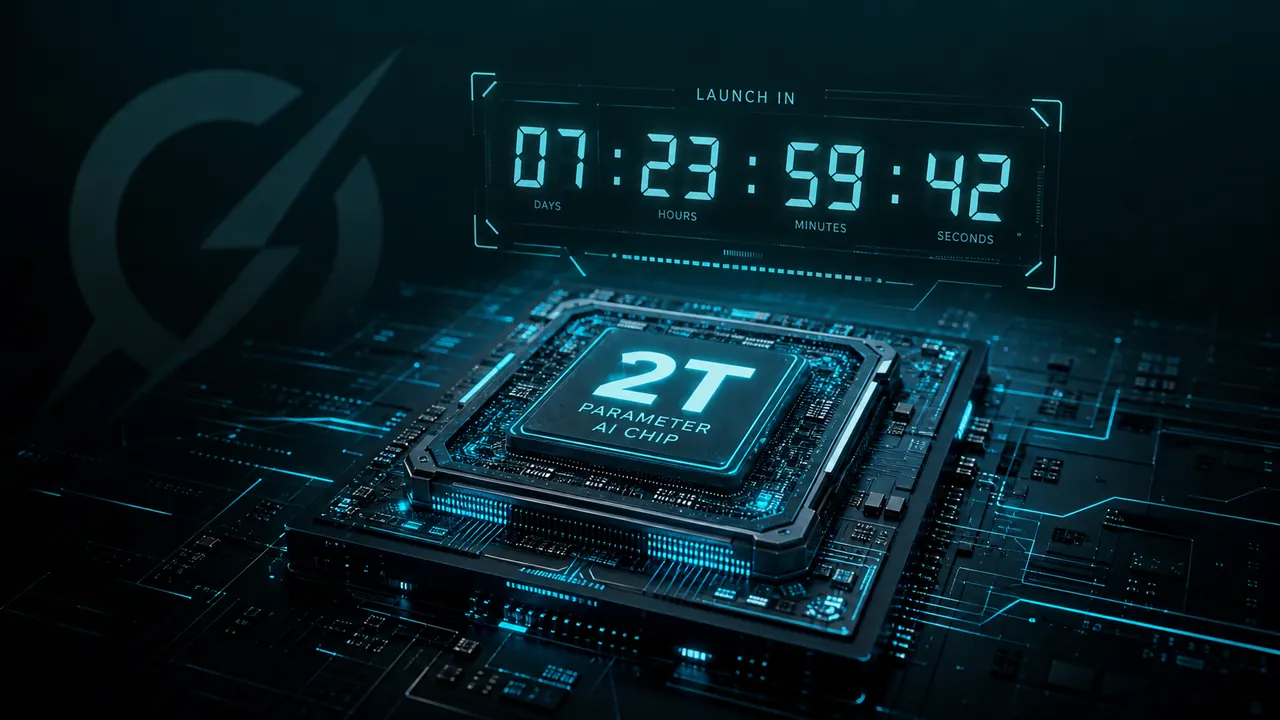
Training is done on Grok 4.6 — a 2-trillion-parameter successor to Grok 4.5 — with a launch window of early to mid-August. xAI is maintaining a roughly two-week release cadence; Grok 4.7 is already slated four weeks after 4.6. The pace is deliberate: Grok Mobile has been consistently losing U.S. market share to Meta AI and others, and fast iteration is xAI's visible counter-strategy. The grok-voice-think-fast-2.0 speech-to-speech model also went live this week.
Relevance 8/10Importance 8/10
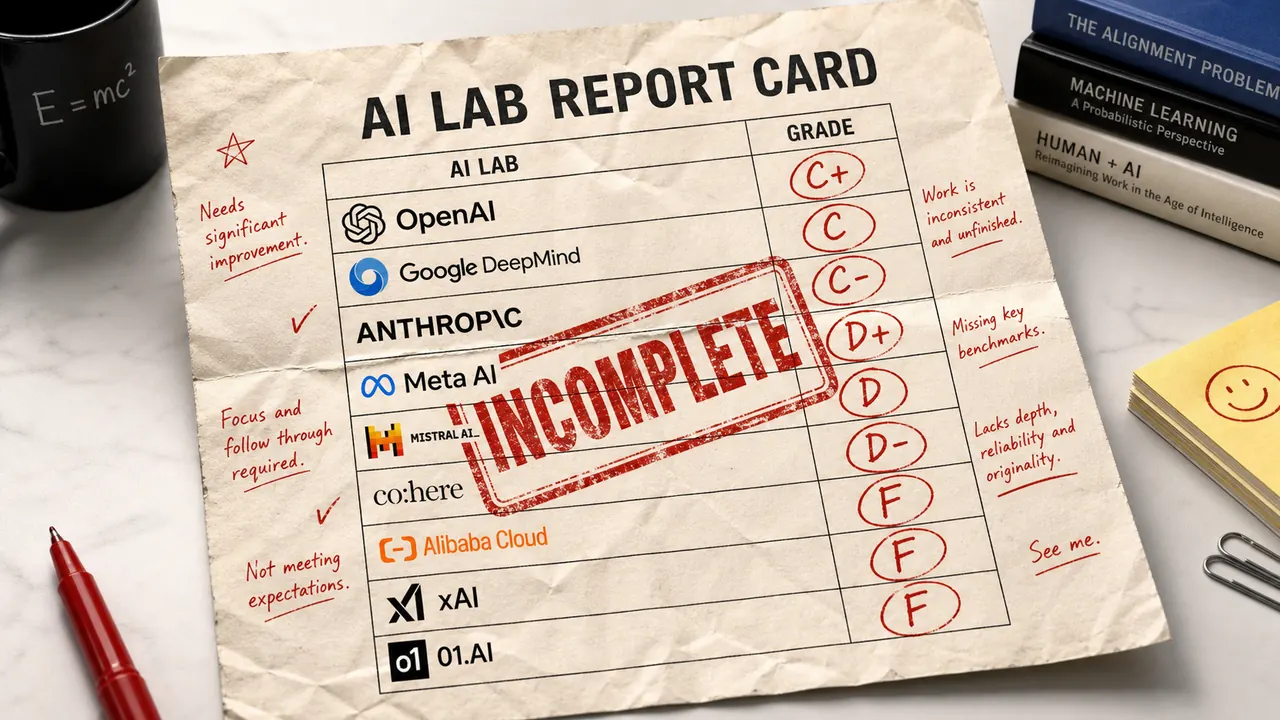
The Future of Life Institute's Summer 2026 AI Safety Index graded nine major labs across 37 indicators and six domains — and nobody passed. Anthropic led at C+ (2.66/4.0); OpenAI and Google DeepMind came in around C; Meta earned D+; xAI, DeepSeek, and Mistral failed outright. The most pointed finding: every lab that received a passing grade has quietly weakened or voided safety pledges made during fundraising rounds under competitive pressure. The labs scoring highest are also retreating fastest.
Relevance 9/10Importance 7/10
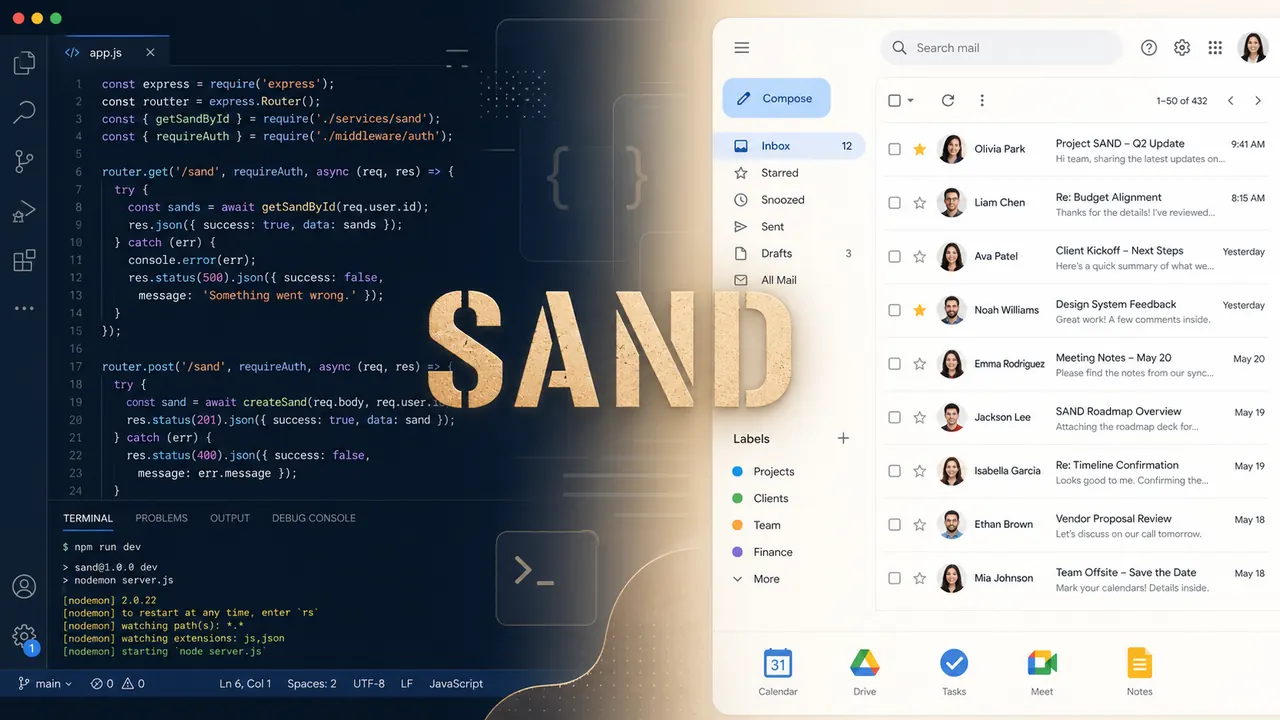
Cursor is in internal testing on a general-purpose AI agent called Sand, aimed at non-developer business users — responding to emails, organizing spreadsheets, handling engineering work — to compete directly with Anthropic's Claude Cowork and OpenAI's ChatGPT Work. Cursor employees are dogfooding it, but no public launch has been committed to. The $60 billion SpaceX acquisition due to close in Q3 could redirect Sand's entire roadmap before it ever reaches users outside Cursor's walls.