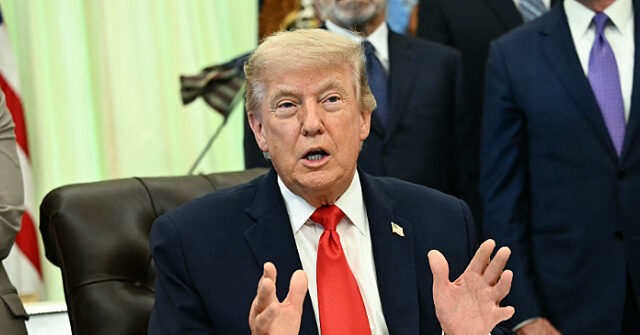
President Trump announced Thursday evening that "we ended the war with Iran today," as a nuclear framework covering a ceasefire extension, Hormuz reopening, and fresh nuclear negotiations entered its final stages. Remaining sticking points over $24 billion in frozen assets and uranium disposal timelines are being resolved ahead of a formal signing ceremony expected to be announced at any moment. The deal — if finalized — would mark one of the most consequential diplomatic agreements of Trump's second term.
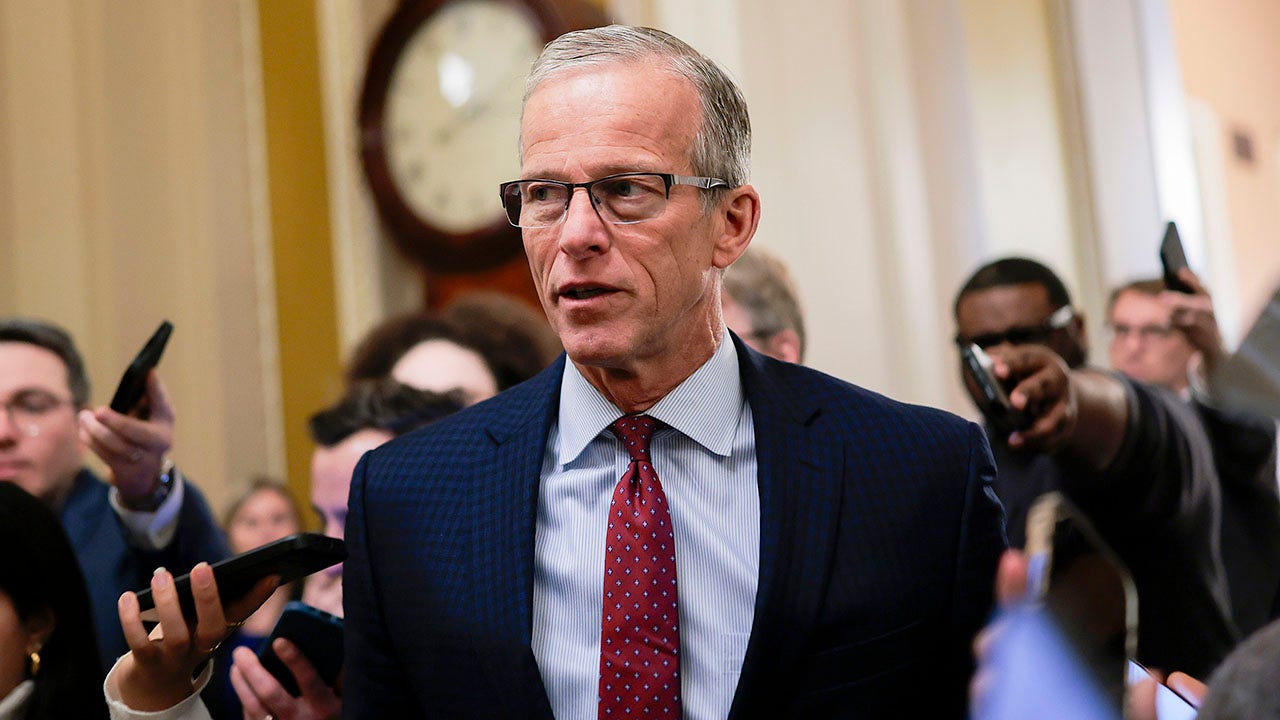
The warrantless surveillance authority known as FISA Section 702 officially lapsed at midnight Friday after the House voted 198–218 against reauthorization Thursday — the first time in the program's history it has ever been allowed to expire. Democrats blocked the measure in a dispute over Bill Pulte's appointment as acting Director of National Intelligence. Intelligence officials are now navigating genuinely uncharted legal territory for any foreign surveillance operations still in progress.
President Trump signed the Secure America Act, locking in $70 billion in dedicated funding for ICE and Customs and Border Protection through fiscal year 2029 — well past the end of his term. Republicans passed the legislation without Democratic support after months of procedural blocking. The signing makes immigration enforcement funding effectively insulated from future budget fights or a potential change in House control.
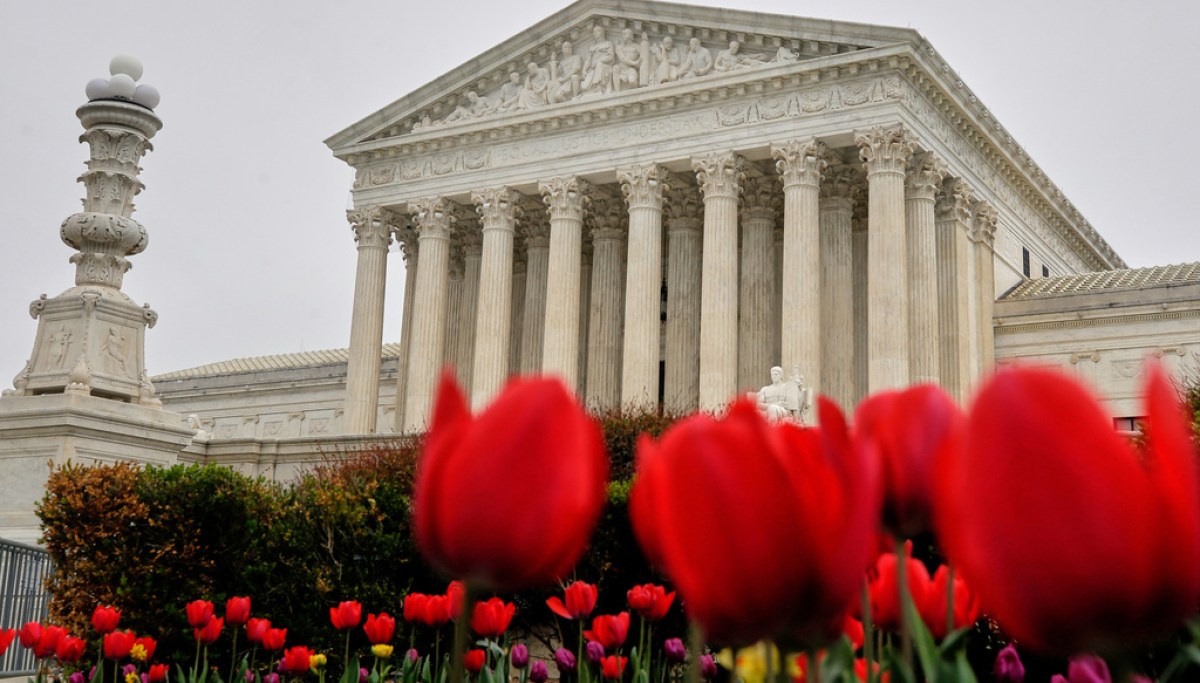
The Supreme Court ruled 6–3 in Louisiana v. Callais to narrow Section 2 of the Voting Rights Act, giving state legislatures significantly broader latitude to draw congressional maps without being required to prioritize racial outcomes. Justice Alito authored the majority opinion. With midterm redistricting battles approaching, the ruling is expected to touch off a new round of map challenges in states from coast to coast.
The 2026 FIFA World Cup rolls into its second day with the United States men's national team facing Paraguay at 9 p.m. Eastern tonight in Los Angeles — the opening match the entire country has been circling on the calendar. Yesterday's host-nation opener saw Mexico defeat South Africa 2–0 at a thunderous Estadio Azteca in the first World Cup to feature 48 competing nations. A full slate of group-stage matches continues across venues in the U.S., Mexico, and Canada through the weekend.
Ukrainian drones set ablaze a major oil terminal in St. Petersburg and struck the Kronstadt naval base, sinking the Russian corvette Boiky — Ukraine's third Baltic Fleet warship destroyed from over a thousand kilometers away, with no navy of its own. The strikes landed as Russia's St. Petersburg International Economic Forum was getting underway. Moscow responded with a record barrage of 656 drones and 73 missiles against Ukrainian cities.
Russian President Vladimir Putin formally declined Ukrainian President Zelensky's proposal for a face-to-face peace meeting, stating there was "no point" to direct talks. The rebuff came as the United States had set a June deadline for measurable progress toward a ceasefire. Ukraine's continued deep-strike drone campaigns inside Russian territory appear to reflect Kyiv's calculation that military pressure, not diplomacy, is its most effective lever right now.
China has greenlit Beinao-2, billed as the world's first commercially authorized brain-computer interface chip, with clinical applications targeting paralysis recovery and restoration of sight in blind patients. The approval puts Beijing ahead of Western competitors in the race to commercialize neurotechnology. Analysts note that roughly 90 percent of humanoid robots currently manufactured globally are built in China — a convergence of robotics and neural interfaces that is drawing serious national security scrutiny.
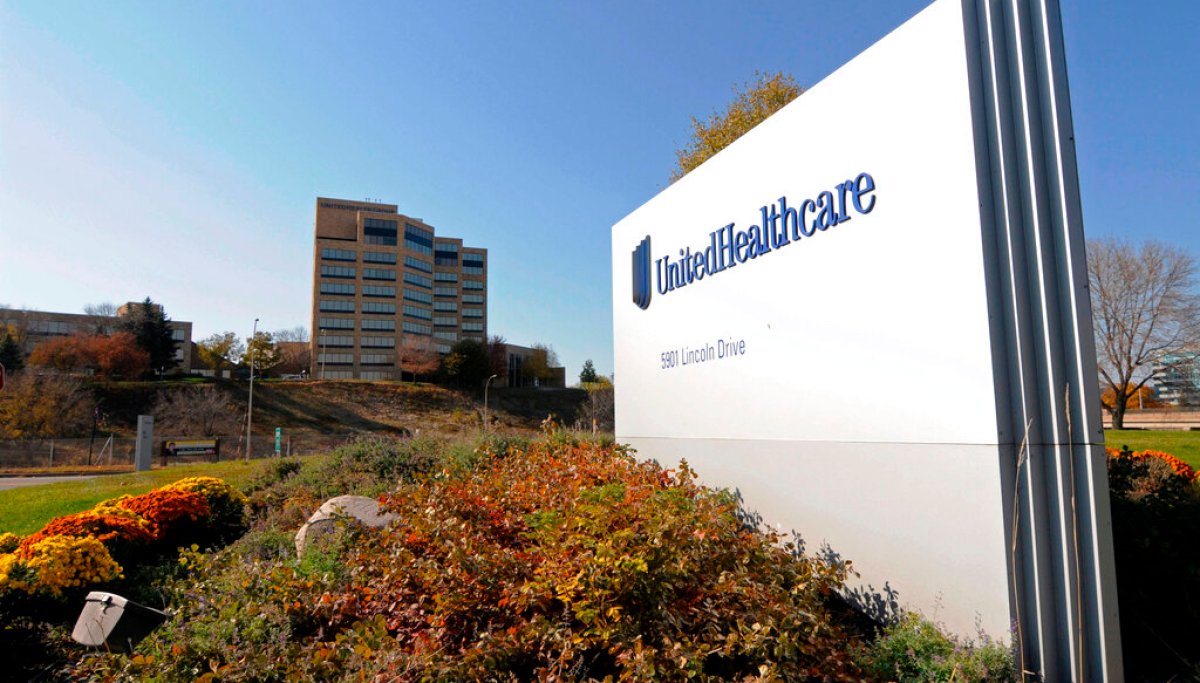
Under pressure from the Trump administration's healthcare transparency initiative, UnitedHealthcare announced it will scrap prior authorization requirements for approximately 30 percent of its medical services by the end of 2026. The administration has threatened penalties of up to $2 million annually for insurers failing to comply with price transparency rules. Patient advocates are calling it one of the most consequential insurance reforms in recent memory.
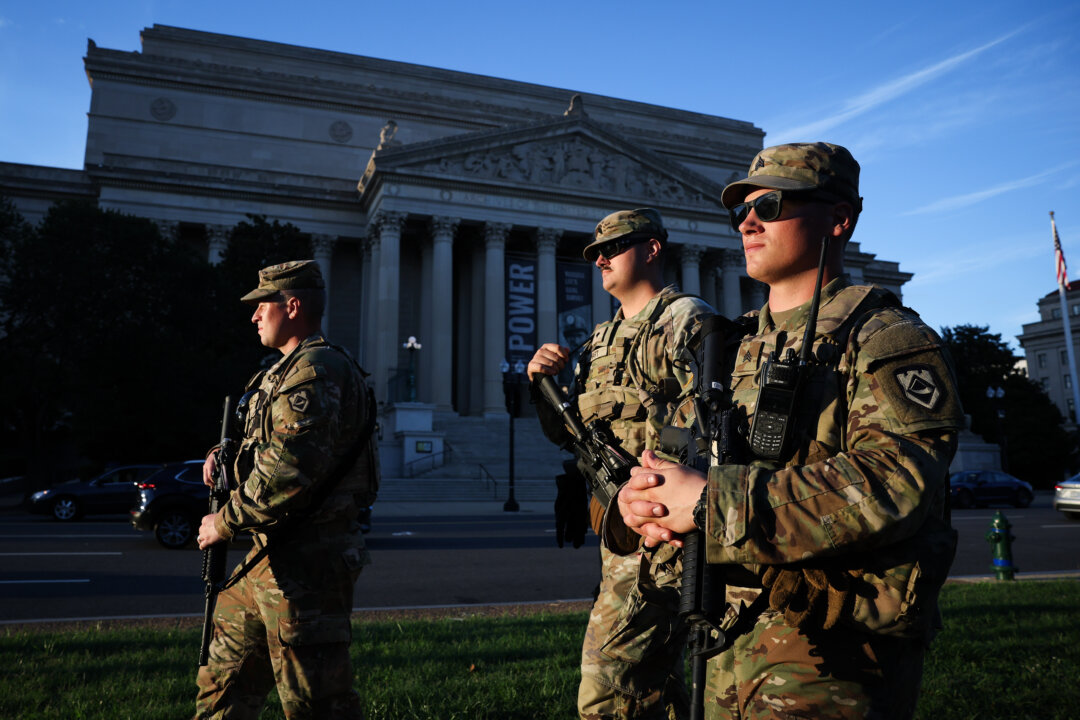
New crime data covering January 1 through June 10 shows Washington, D.C. recorded just 39 homicides in 2026 versus 72 in the same window last year — a 46 percent drop that almost nobody is talking about. The Trump administration's federal law enforcement surge in the capital is drawing significant credit for the decline. If the pace holds through December, D.C. will record its lowest homicide year in at least a generation.