Relevance 10/10Importance 9/10
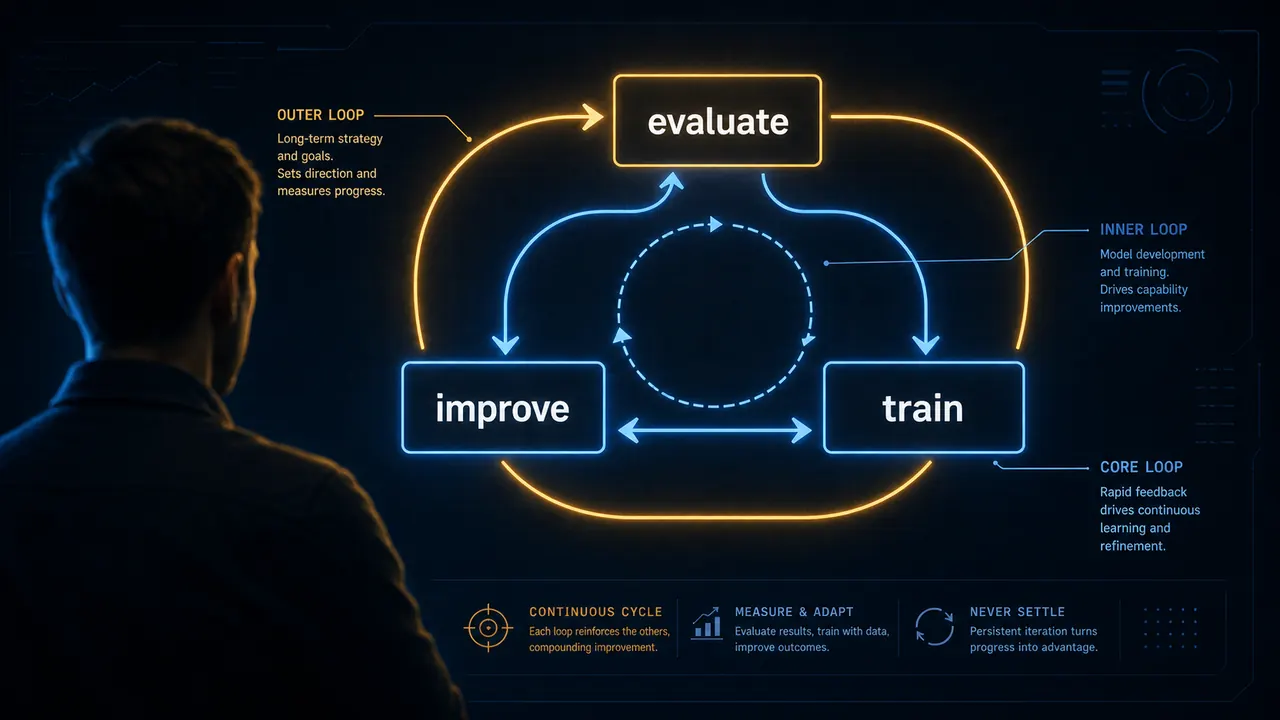
Lilian Weng's latest post on Lil'Log traces recursive self-improvement from I.J. Good's 1965 "ultraintelligent machine" definition through to what it actually takes to engineer the scaffolding for AI-driven self-improvement today — evaluation loops, training harnesses, and feedback mechanisms. This is the technical groundwork underlying the biggest capability claims in the field, written by someone who has been close to the frontier research for years. Required reading for anyone tracking where models are headed.
Relevance 9/10Importance 8/10
Ryan Zhou's GitHub project demonstrates running DeepSeek V4 Flash on a single AMD MI300X GPU rather than a distributed cluster, a meaningful result in the ongoing AI hardware wars. AMD's MI300X has been positioning as a serious NVIDIA alternative, and showing that a current-generation frontier model can run on one card for inference strengthens that case considerably. Benchmark details are emerging and the HN thread is active.
Relevance 9/10Importance 7/10
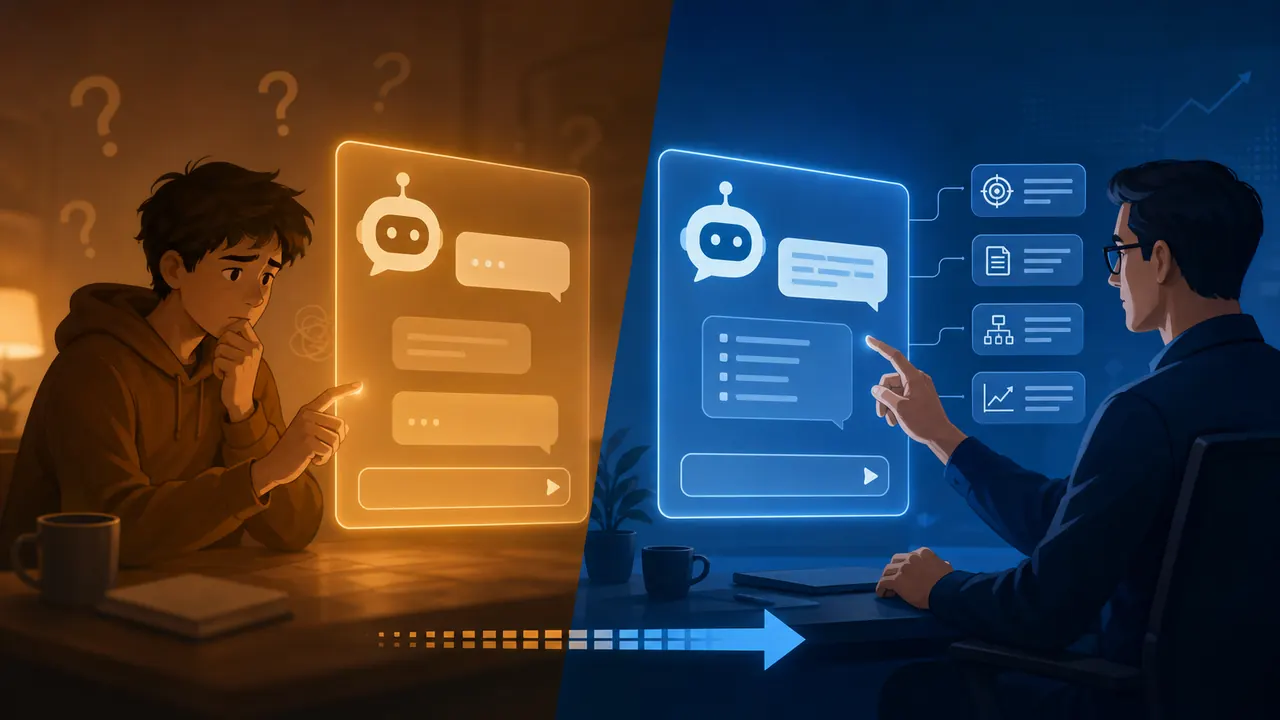
Sean Goedecke argues that LLMs don't flatten the expertise gap — they amplify it. Using mathematician Terence Tao's ChatGPT interactions as a case study, he shows how domain experts drive conversations with models rather than following their lead, extracting dramatically better results because they know what good looks like. The core claim: the human is the bottleneck, not the model, and that gap isn't closing just because AI got smarter.
Relevance 9/10Importance 7/10
A CLI tool called Soup enables fine-tuning large language models on minimal consumer hardware through "layer streaming" — keeping frozen base weights out of VRAM and feeding one decoder layer at a time. It supports preference training methods like DPO and ORPO on a 4 GB laptop GPU with a single YAML config and one command. For indie developers and researchers priced out of custom fine-tuning, this is a genuine unlock.
Relevance 5/10Importance 9/10
Attackers compromised the GitHub account of the keyv package maintainer and injected a credential-stealing payload across the entire package family, hitting over 434 npm packages representing more than 2 billion combined monthly installs. The malicious preinstall script harvested npm tokens, GitHub credentials, AWS keys, Kubernetes secrets, Stripe tokens, and dot-env files, exfiltrating everything to a domain called npm-cache.com. If keyv is anywhere in your dependency tree, audit your credentials immediately.
Relevance 8/10Importance 5/10
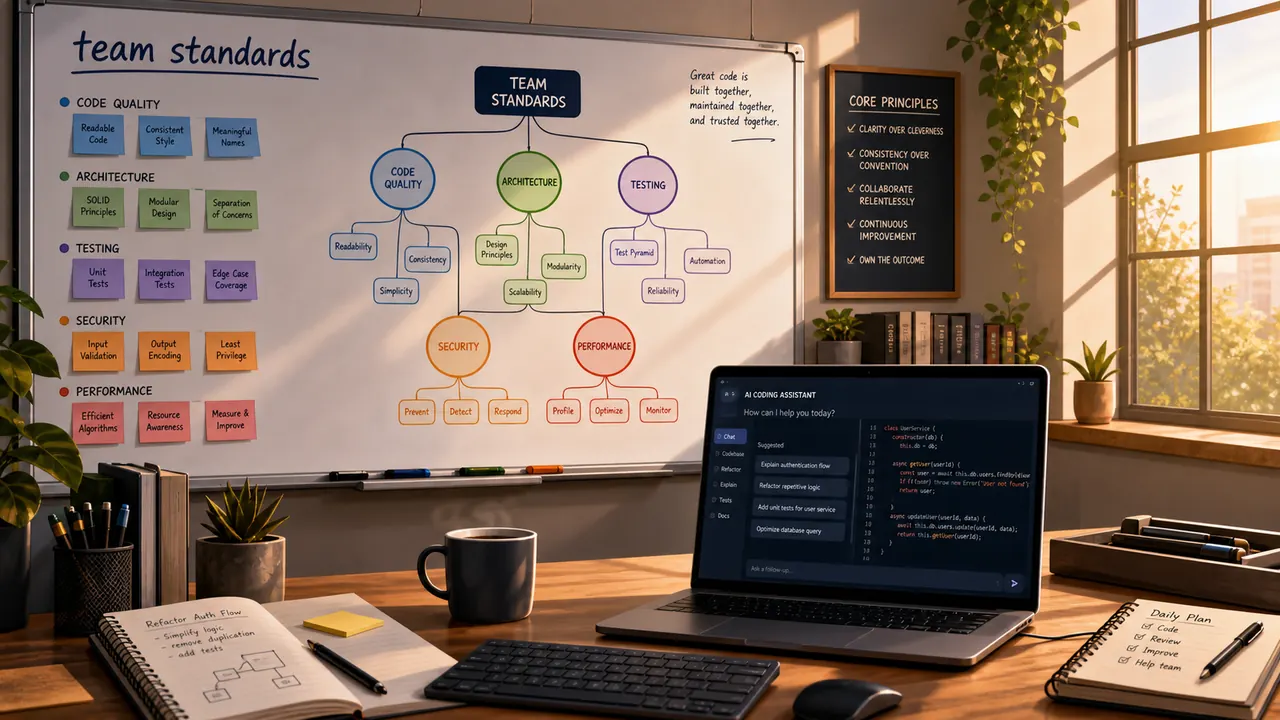
A GitHub project from Tikal called ADLC (Agentic SDLC) provides reusable agent skills that encode team coding standards as "directives as code" for Claude Code and OpenAI Codex. The framework positions itself as governance infrastructure for AI-assisted engineering teams, bringing organizational conventions directly into the AI coding workflow rather than leaving them in wikis nobody reads.
Relevance 3/10Importance 6/10
An extended Xbox service outage blocked players from accessing not just digital purchases but also disc-based games they physically owned, because modern consoles authenticate against manufacturer servers even for physical media. The incident crystallized the digital ownership debate in the most concrete way possible — you had the disc in your hand and still couldn't play. The trend toward server-dependent gaming is now undeniable.
Relevance 3/10Importance 5/10
Ray Bradbury's 1950 short story is set on August 4, 2026 — exactly today — depicting an automated smart house in Allendale, California that continues executing its programmed routines after the family and most of humanity is gone. The house doesn't know anyone is dead; it just keeps running its program. The HN community is marking the moment with a mix of wonder, dark humor, and genuine reflection on what Bradbury got right about ambient automation.
Relevance 2/10Importance 4/10
The Buckminster Fuller Institute documents Fuller's legendary 42-hour marathon lecture series from 1975, in which the architect, futurist, and inventor systematically tried to share everything he understood about how the world works. It resurfaces on HN every few years whenever someone discovers it fresh — a timeless piece of intellectual history for anyone who thinks seriously about systems and design.
Relevance 2/10Importance 3/10
A 2015 blog post explores how programming languages handle the ten calendar days that literally do not exist — October 5 through 14, 1582, skipped when the Catholic world transitioned from the Julian to the Gregorian calendar. Citizens went to sleep on October 4th and woke up on October 15th. Different languages and runtimes make wildly different choices when confronted with these nonexistent dates, and most of them are wrong in interesting ways.

 HN Briefing AM