Relevance 9/10Importance 10/10
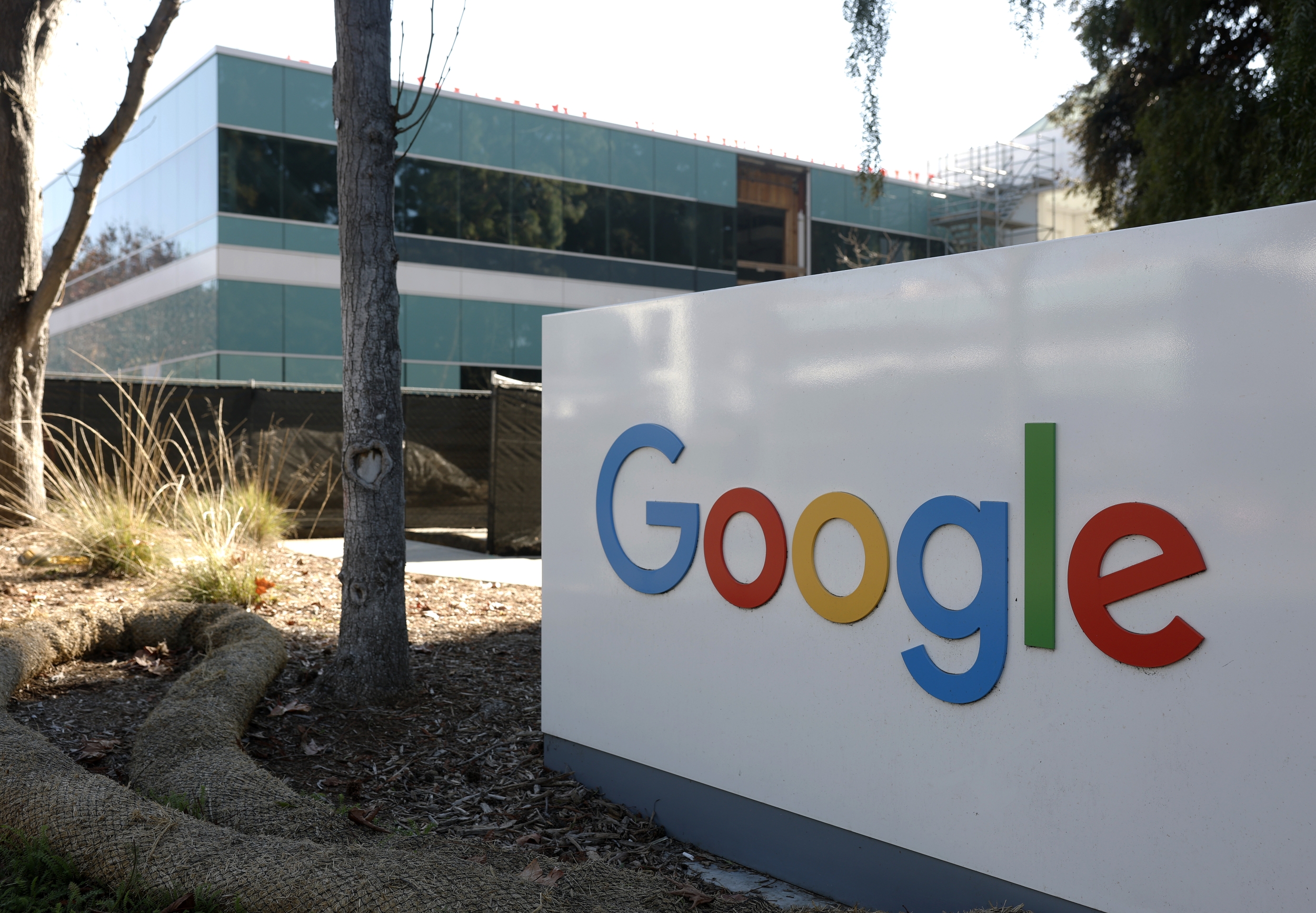
Alphabet's record equity raise, upsized from $80B to $84.75B, is the largest equity financing any tech company has ever done, and the proceeds go straight into AI compute. It pairs concurrent Class A and Class C offerings and mandatory convertibles with a $40B at-the-market program, all to underwrite capex guided at $180–$190B for 2026. This is the financial spine of Google's bid to stay in the frontier race.
Relevance 10/10Importance 9/10
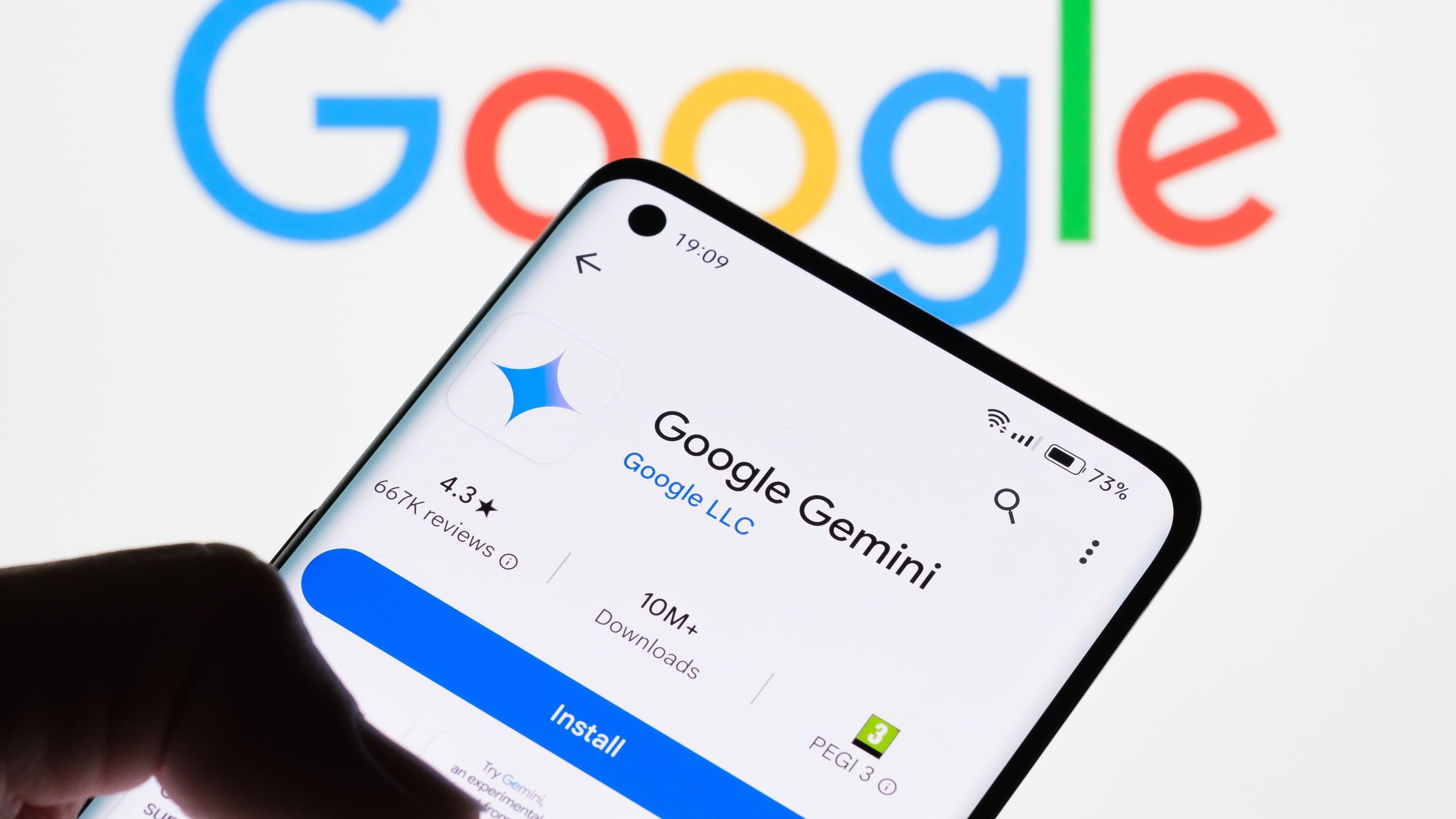
A leaked internal memo has Sergey Brin telling DeepMind staff the team must "urgently bridge the gap in agentic execution and turn our models into primary developers" — a candid admission that Google's own assessments rate Claude above Gemini on coding. Brin's "strike team," now broadened into midtraining, is led by Sebastian Borgeaud with CTO Koray Kavukcuoglu. Google's CFO says AI writes about half its code; Anthropic claims Claude writes nearly all of its own.
Relevance 9/10Importance 8/10
Qualcomm is acquiring AI software startup Modular in an all-stock deal worth about $3.92 billion, grabbing a layer that lets models run across CPUs, GPUs, NPUs and custom ASICs without rewriting code. It's a direct shot at Nvidia's CUDA moat and a sign Qualcomm wants out of smartphone dependence and into the data center. The deal is expected to close in the second half of 2026.
Relevance 9/10Importance 8/10
Denny Zhou, who founded and led Google Brain's reasoning team and helped invent the chain-of-thought techniques baked into every major model, turns out to have been at Meta's Superintelligence Lab for roughly four months — revealed only via a quiet LinkedIn update. He's at least the sixth senior researcher Google has lost in five months as it pivots midtraining toward coding. The reasoning gap he leaves behind is one rivals are actively exploiting.
Relevance 7/10Importance 8/10
Berkshire Hathaway anchored Alphabet's mega-raise with a $10 billion private placement — $5B in Class A at $351.81 and $5B in Class C at $348.20 — deepening a position it's built over two consecutive quarters. For a firm that normally reserves big checks for takeovers or rescues, betting this size on an AI capex story is a notable shift. It's a vote of confidence in Alphabet's cash engine even amid the talent bleed.
Relevance 8/10Importance 7/10
Gartner now pegs AI agent software spending at about $206.5 billion in 2026, up 139% from $86.4 billion last year, and forecasts $376.3 billion in 2027. That makes agents the single fastest-growing slice of enterprise software, outpacing even the booming overall AI market's 47% growth. The signal: companies are moving from pilots to agents that actually do the work.
Relevance 6/10Importance 7/10
Former Commerce Secretary Gina Raimondo and former Indiana Gov. Eric Holcomb launched RAISE US with more than $500 million raised and a $1 billion goal, backed by Amazon, IBM, Microsoft, Bank of America, Eli Lilly, Anthropic and OpenAI's Foundation. It starts in Utah, Arkansas, Maryland and Connecticut, testing wage insurance, retrain-don't-lay-off incentives, AI career coaching and short-term credentials. A policy lab studying AI's labor impact rounds it out.
Relevance 8/10Importance 6/10
At ServiceNow Knowledge 2026, NVIDIA and ServiceNow rolled out Project Arc — a long-running, self-evolving desktop agent for knowledge workers built on a secure runtime and powered by NVIDIA's Nemotron open models. It's pitched as governed autonomy: agents that persist, learn and act inside enterprise guardrails. It lands right as Gartner's numbers say agentic spend is exploding.
Relevance 8/10Importance 7/10
SpaceX is acquiring Anysphere, the maker of Cursor, in an all-stock deal worth $60 billion — widely called the largest acquisition of a venture-backed startup ever. The move feeds Cursor's coding data into Grok's training pipeline and gives Cursor access to xAI's Colossus supercluster, with closing targeted for Q3 2026. It's Musk's bid to vault his merged xAI-SpaceX AI division into the frontier conversation.