Relevance 8/10Importance 10/10
Google has contracted to pay SpaceX roughly 920 million dollars per month, from October 2026 through June 2029, for access to approximately 110,000 NVIDIA GPUs housed at xAI's data centers. The arrangement totals roughly 32 billion dollars and ranks among the largest cloud-compute commitments ever publicly disclosed. The extraordinary wrinkle: Google is paying its direct AI rival Elon Musk's infrastructure stack because GPU scarcity matters more than optics right now.
Relevance 9/10Importance 9/10
The heads of OpenAI, Anthropic, Google DeepMind, and Microsoft AI co-signed a letter to Congress this week calling for mandatory screening requirements on synthetic DNA and RNA vendors, warning that AI has already eroded the expertise barrier previously needed to design bioweapons. The letter proposes vendor-level order screening, customer verification, and risk assessments before synthesis ships. Notably, some synthesis manufacturers, including Twist Bioscience, also signed.
Relevance 10/10Importance 8/10
Gemini 3.5 Pro is now in limited preview for select Vertex AI enterprise customers, with public general availability expected this month. The model features a two-million-token context window and Google's Deep Think reasoning mode, absorbing use cases formerly routed to the Gemini Ultra tier. When Sundar Pichai teased it at Google I/O last month with a "wait one more month" line, the audience reportedly groaned. The wait is almost over.
Relevance 9/10Importance 8/10
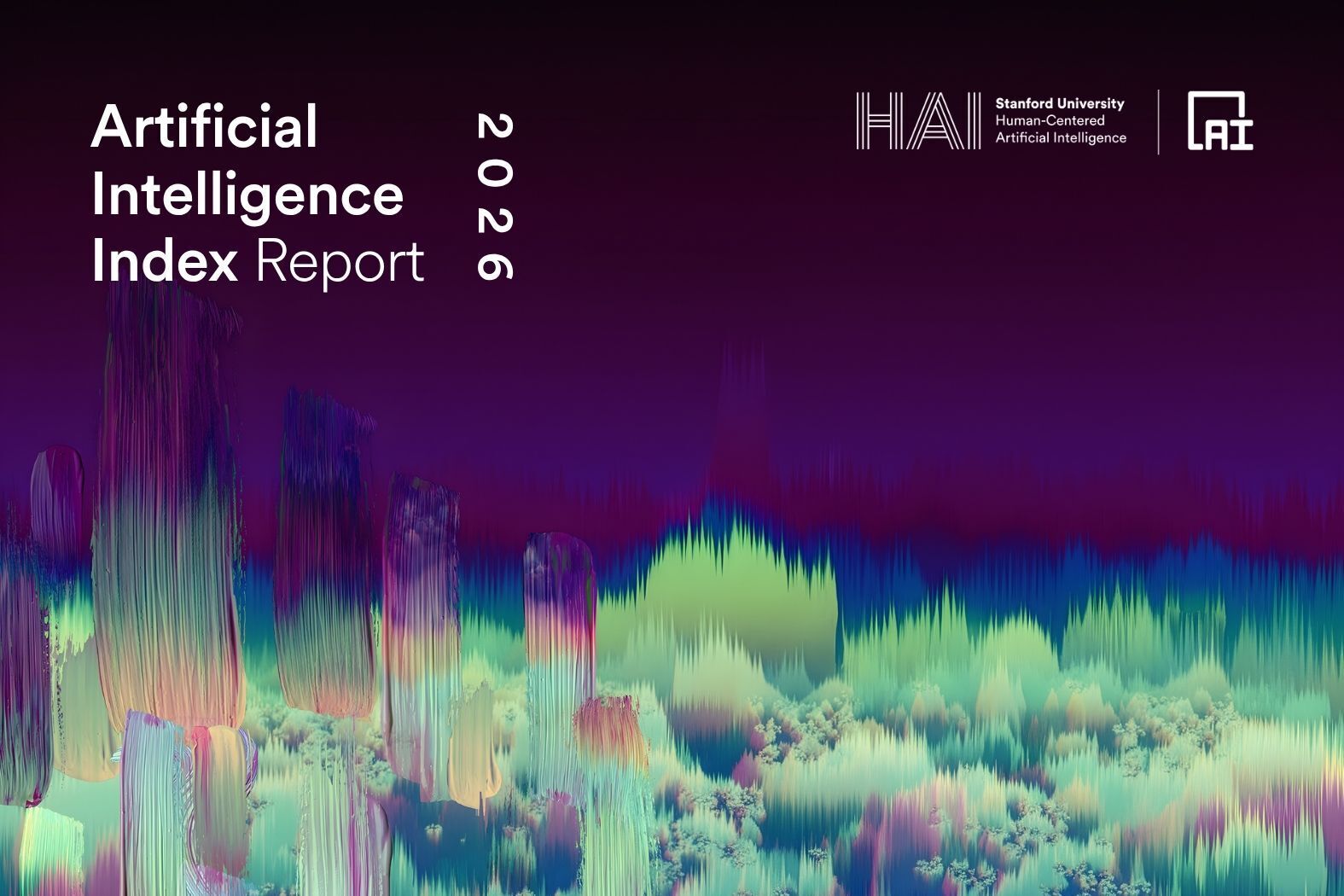
The Stanford HAI AI Index for 2026 documents a year of extraordinary acceleration: SWE-bench Verified scores rose from 60 percent to near 100 percent in a single year, organizational adoption reached 88 percent, and the general population adopted generative AI faster than the PC or the internet. U.S. private AI investment hit 285.9 billion dollars, more than 23 times China's 12.4 billion. The report also flags that AI researcher immigration to the U.S. has fallen 89 percent since 2017.
Relevance 9/10Importance 8/10
Microsoft's Experiences and Devices division, which builds Windows, Microsoft 365, Teams, and Surface, has canceled most internal Claude Code licenses and instructed thousands of engineers to migrate to GitHub Copilot CLI by June 30. Claude Code had become more popular than Copilot CLI internally, creating a credibility problem for a company selling Copilot to enterprise customers. EVP Rajesh Jha cited the need for "a product we can help shape directly with GitHub."
Relevance 7/10Importance 9/10
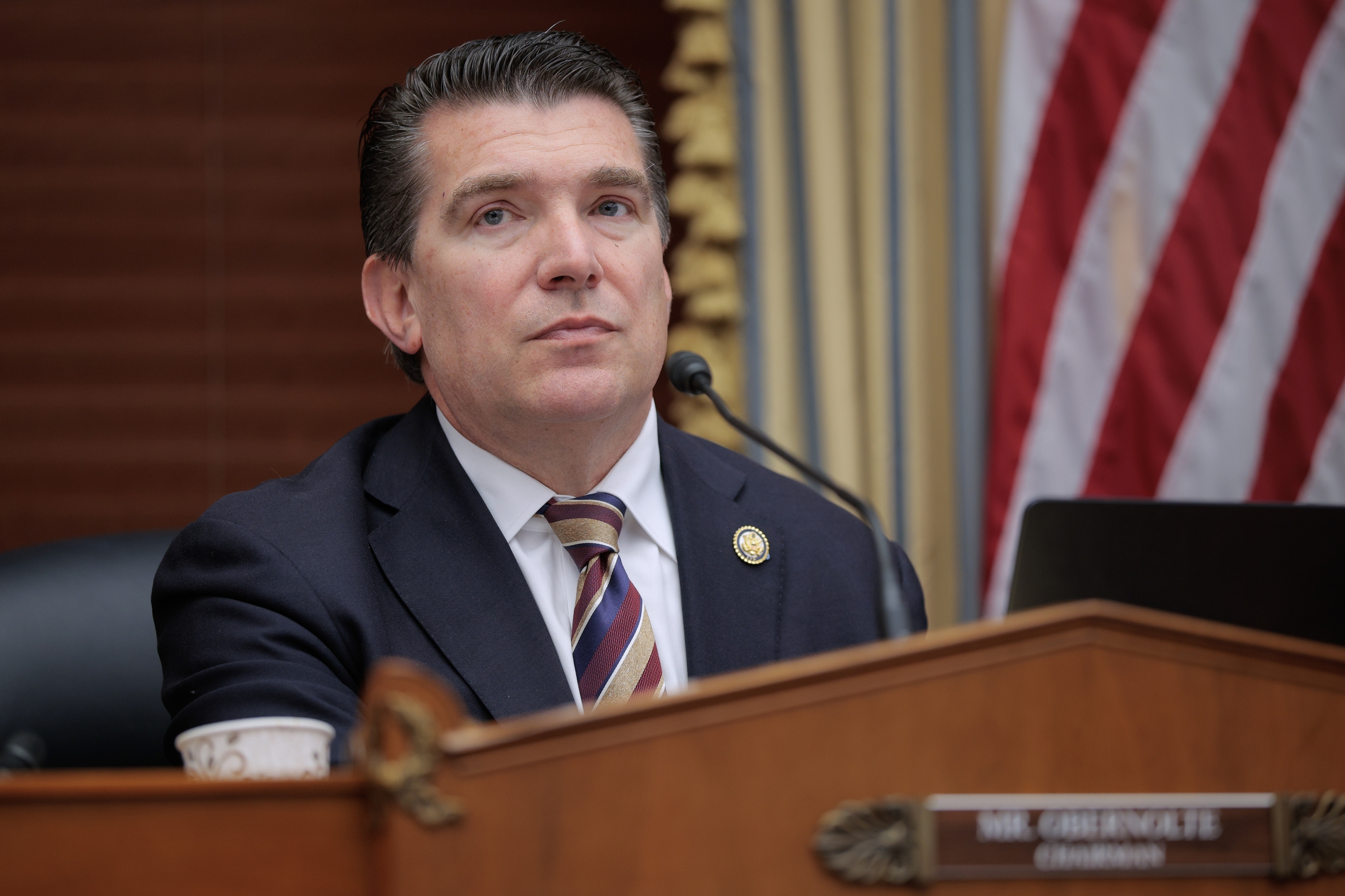
The 269-page bipartisan Great American AI Act contains a three-year federal preemption clause that would freeze state-level AI consumer protection laws. Consumer advocates, civil society organizations, and state attorneys general are now organizing against it, with critics arguing it "turns the current floor on state AI legislation into a federal ceiling." Parts of California's training data transparency and content watermarking laws would be specifically preempted. (Note: the bill's introduction was covered yesterday; today's materially new development is the organized pushback.)
Relevance 8/10Importance 8/10
NVIDIA has selected Chinese startup Unitree to anchor the first open humanoid robot reference design it is selling to research institutions, pairing the Unitree H2 Plus body with Sharpa's five-fingered tactile hands and NVIDIA's Jetson Thor compute on the Isaac GR00T platform. The resulting system stands six feet tall, weighs 150 pounds, and operates at 75 degrees of freedom. Stanford, ETH Zurich, and UC San Diego are early adopters. Available October 2026.
Relevance 7/10Importance 8/10
Colorado's AI Act goes live in 24 days, making it the first comprehensive state AI law in the country. It requires developers and deployers of high-risk AI systems to guard against algorithmic discrimination in consequential decisions affecting healthcare, employment, financial services, housing, and legal access for Colorado residents. The timing is pointed: Colorado crosses the start line just as Congress debates preempting it with a federal bill.
Relevance 8/10Importance 7/10
A major NPR feature documents how research organizations including Ginkgo Bioworks are deploying autonomous laboratory systems where AI translates experimental designs into robot instructions, enabling thousands of experiments daily. Ginkgo has achieved a 40 percent reduction in protein synthesis costs and run more than 30,000 experiments in six months. Researchers describe the shift plainly: AI is no longer the lab assistant. It is the scientist.
Relevance 7/10Importance 7/10
NVIDIA's RTX Spark is an Arm-based superchip for consumer Windows laptops that integrates AI agent execution, content creation, and gaming on a single portable device. Adobe is rebuilding Photoshop and Premiere Pro natively for the platform. Laptops are expected to launch in autumn 2026. If Jensen Huang's stated ambition is to own every layer of the AI stack, RTX Spark is the final rung on the ladder, from data center to the bag you carry on the train.