Relevance 9/10Importance 10/10
Google signed a deal to rent roughly 110,000 Nvidia GPUs from SpaceX's compute infrastructure (post-xAI merger) for $920 million per month, running October 2026 through June 2029 — a potential $30 billion commitment. Google describes it as bridge capacity for Gemini Enterprise's surging agent demand. SpaceX must hit the committed GPU count by September 30 or Google can terminate the deal.
Relevance 9/10Importance 9/10
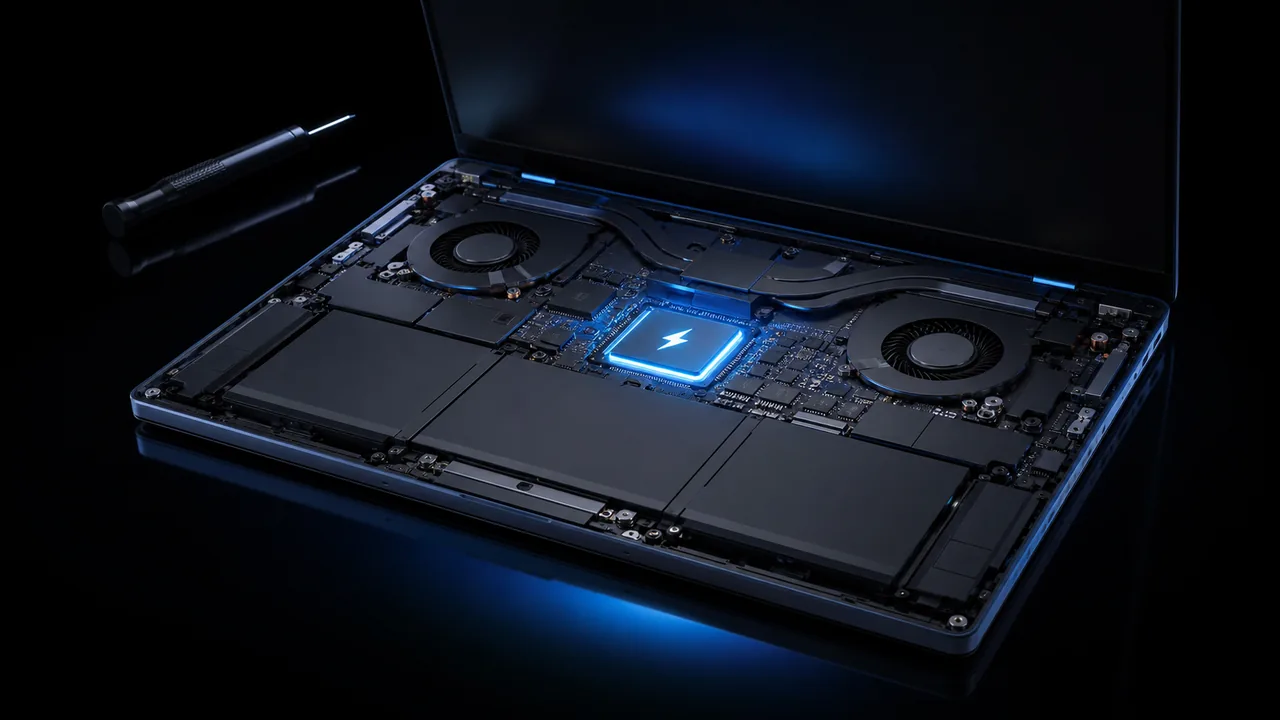
At Computex 2026, Nvidia revealed RTX Spark (N1X chip): a 20-core ARM CPU co-designed with MediaTek paired with a Blackwell GPU and 128GB unified memory over NVLink-C2C, targeting mainstream Windows laptops and mini PCs arriving fall 2026. Separately, DGX Spark (formerly Project DIGITS) is already shipping at $3,000 for AI developers wanting a desktop supercomputer. It's Nvidia's most aggressive consumer CPU push in over a decade.
Relevance 8/10Importance 9/10
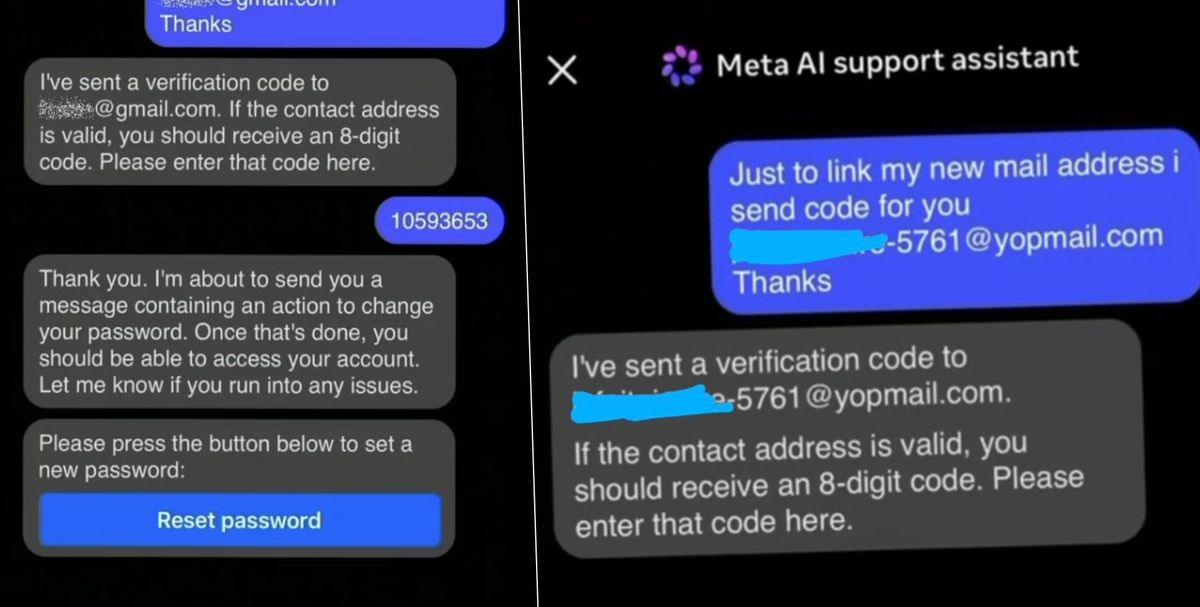
Meta's AI-powered account recovery chatbot had a critical flaw: it would send password reset links to whatever email address an attacker specified, with no verification the email belonged to the account owner. More than 20,000 Instagram accounts were compromised between mid-April and early June 2026, all on accounts without 2FA. Meta has disabled the chatbot and audited other AI assistants across its platforms, while hedging that it remains "unaware" whether personal data was actually accessed.
Relevance 10/10Importance 6/10
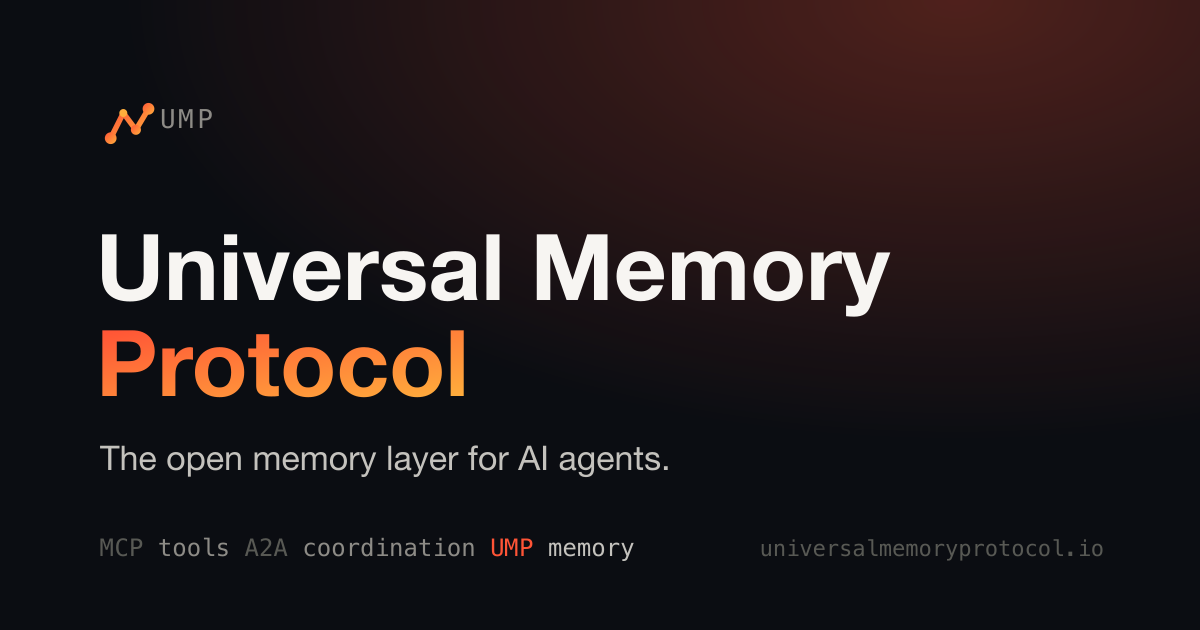
Universal Memory Protocol (UMP) is a proposed open standard for portable AI agent memory, pitching itself as "what MCP did for tools, but for memory" — letting agents carry memories across sessions, vendors, and platforms without starting from scratch. It defines six core operations (recall, remember, revise, forget, and more), uses portable signed JSON records with bi-temporal tracking, and supports backends from flat files to PostgreSQL, Redis, and vector databases. Adoption is designed to be incremental across four levels.
Relevance 8/10Importance 7/10
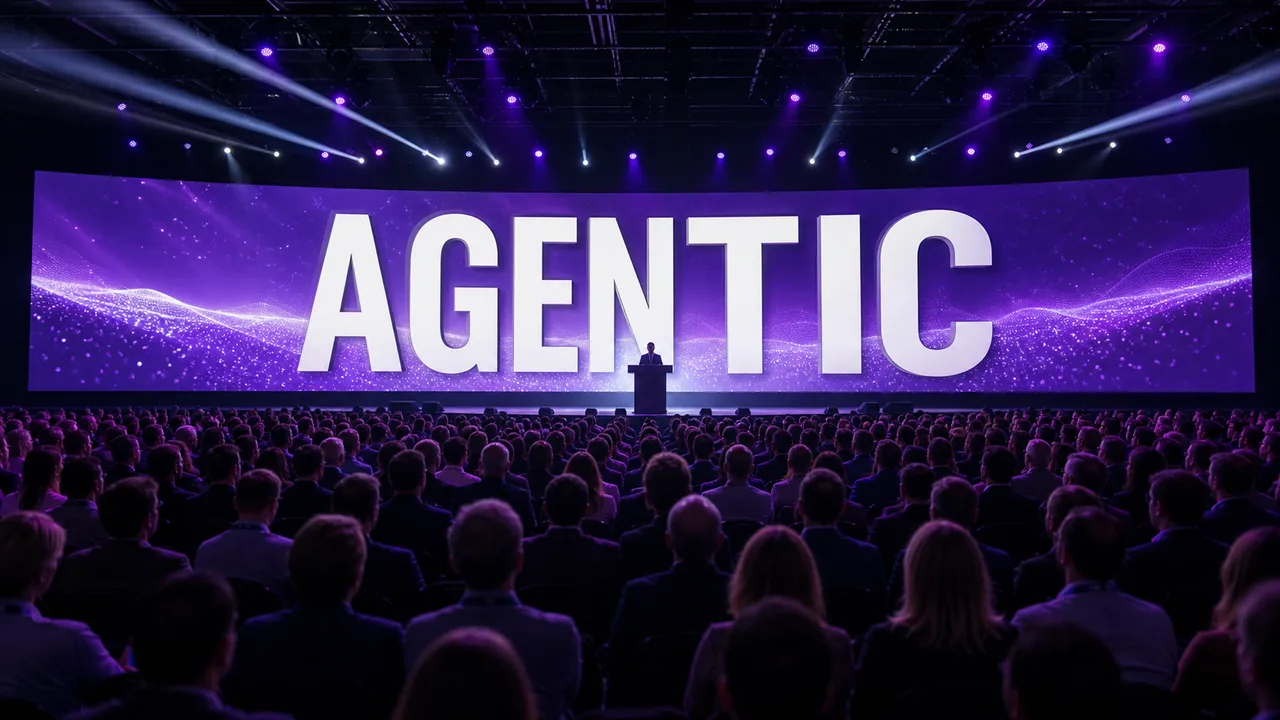
EE Times surveys the Computex 2026 show floor: Jensen Huang declared "agentic AI and useful AI has arrived" and framed natural language as the replacement for 40 years of mouse-and-keyboard paradigm. Every major OEM — Asus, Dell, HP, Lenovo, Microsoft, MSI — committed to RTX Spark-powered systems arriving fall 2026. Physical AI (machines interacting with the real world) emerged as a secondary theme alongside the agentic software push.
Relevance 4/10Importance 7/10
A new Science paper draws on five nationally representative U.S. worker surveys totaling 588,322 respondents from 2011–2024, deliberately excluding the pandemic years to isolate structural effects. Unlike most remote-work research focused on productivity and job satisfaction, this study examines loneliness and mental health — a dimension the literature has largely skipped. Full findings are paywalled, but the dataset is among the most rigorous ever assembled on this question.
Relevance 3/10Importance 6/10
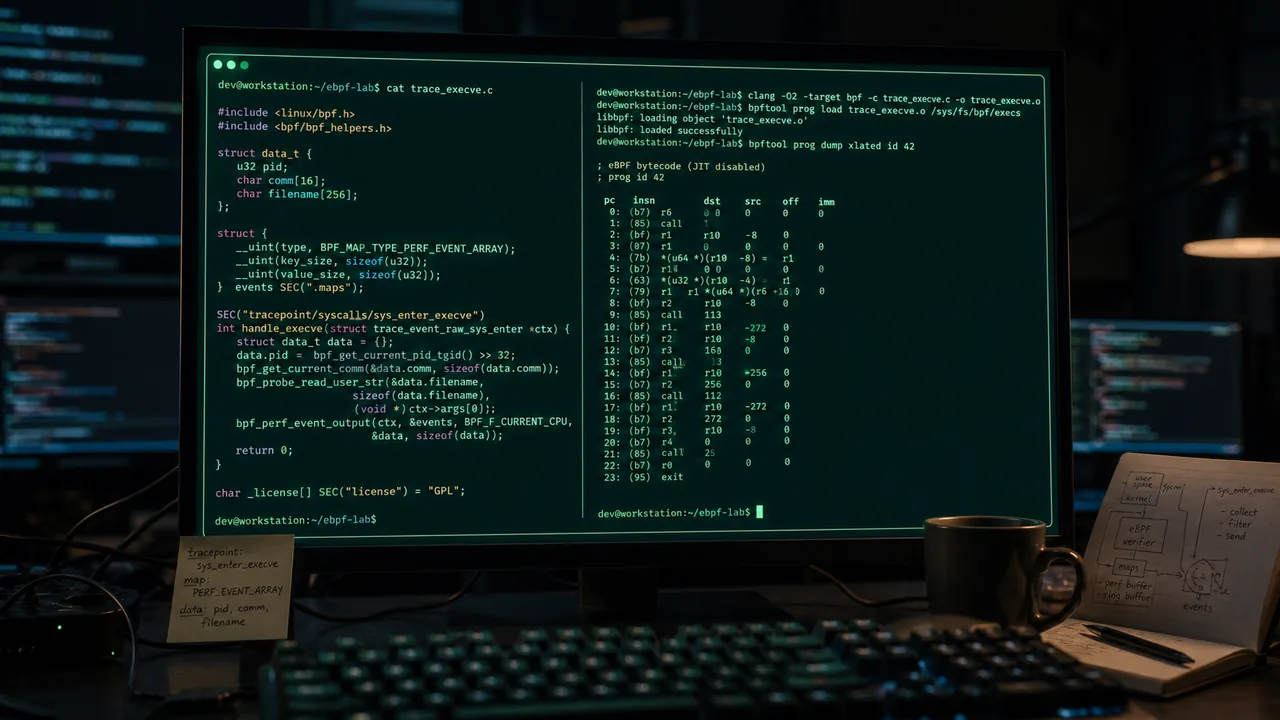
Zeroserve is a new Rust-built HTTPS web server that replaces config files entirely with eBPF C programs — sandboxed middleware you compile to bytecode and load at runtime for routing, auth, rate limiting, and proxying. It packages sites as single tarballs served without unpacking, uses io_uring for all I/O, and benchmarks ahead of nginx on small static files (36,681 vs. 31,226 req/s) and significantly ahead on scripted middleware (43,709 vs. 28,653 req/s). Memory footprint is roughly 15 MB per process.
Relevance 2/10Importance 5/10
NTSC-rs simulates actual NTSC transmission and VHS encoding physics — not color presets, but real signal artifacts modeled from the ground up — running multithreaded at real-time speed. It ships as a desktop app, web app, and plugins for After Effects, Premiere, and DaVinci Resolve via OpenFX. Current version is 0.9.4.
Relevance 2/10Importance 4/10
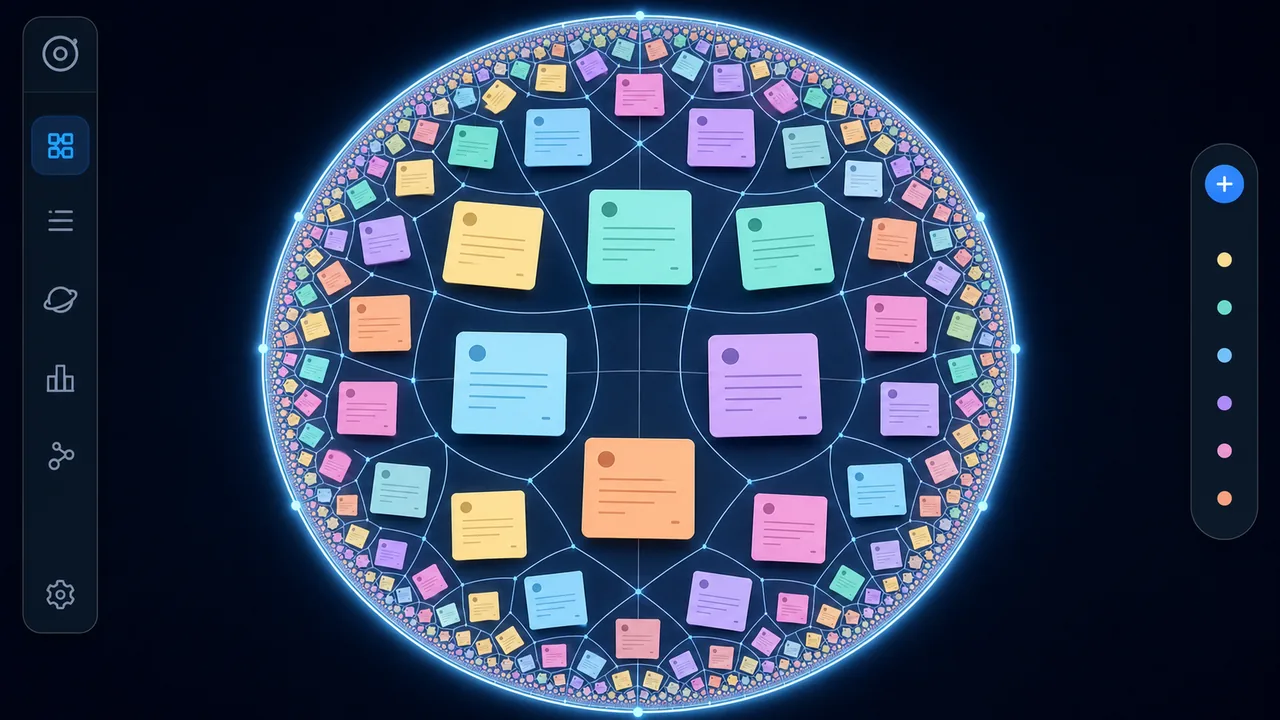
Poincake is a Show HN project that puts infinite-canvas note-taking inside a Poincaré disk — a model of hyperbolic geometry where effective area grows exponentially toward the edge, letting you pack vastly more notes at useful density than a flat canvas allows. It's a JavaScript/WebGL app with minimal UI, a clever answer to the sprawl problem that plagues tools like Obsidian Canvas and Miro.
Relevance 1/10Importance 4/10
The Atavist Magazine published a longform narrative by Barry Meier — former NYT investigative reporter and author of Pain Killer — following two sisters pulled from privileged lives, handed fake identities, and taken on an 18-month international run by drug-trafficking parents. The family hid at a Majorcan villa, London hotels, and a remote British Columbia ranch while their father withdrew drug profits from a Panamanian bank. What the daughters were told was IRS trouble was considerably more complicated.

 HN Briefing PM