Relevance 10/10Importance 8/10
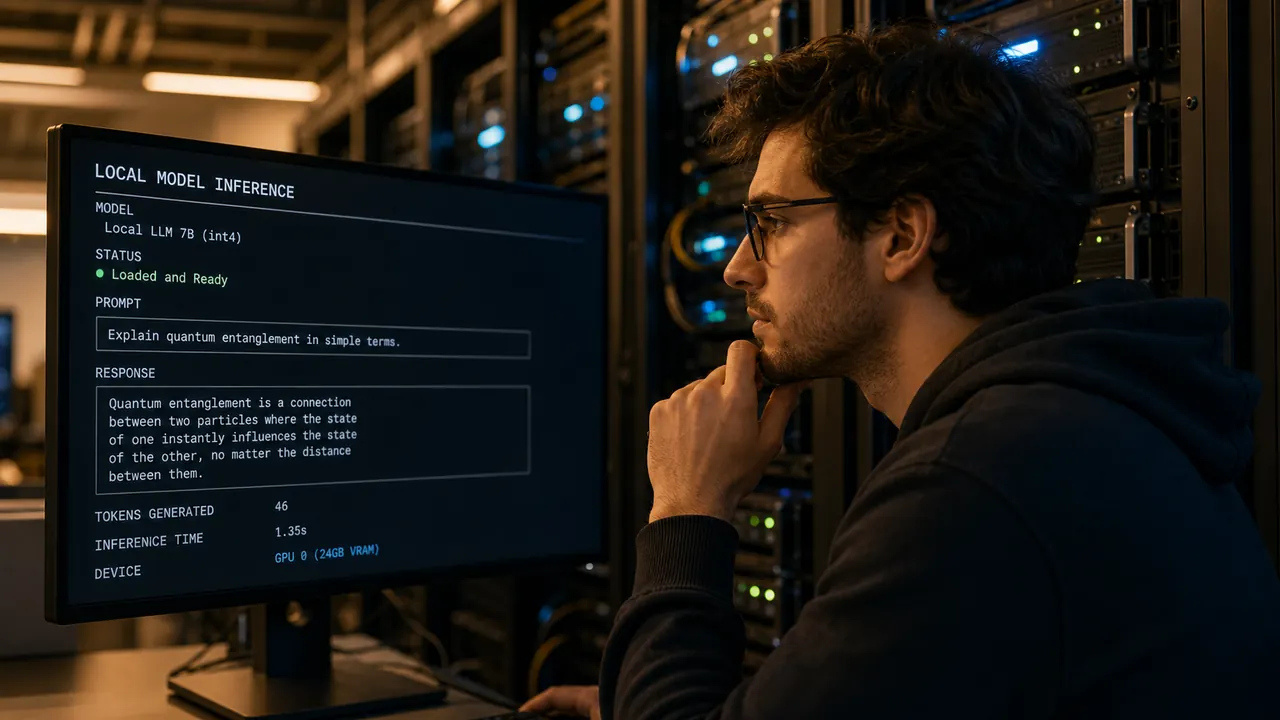
A 483-point Ask HN thread with nearly 250 comments asked whether anyone has fully switched from Claude or GPT to a local model for daily coding work. The responses reveal a growing cohort of developers running Qwen, Llama, and DeepSeek locally, citing privacy, cost, and offline access as key drivers. The consensus: local models are solid for routine tasks, but frontier models still dominate for complex reasoning and large-context work — and nobody quite agrees on where the line is.
Relevance 6/10Importance 8/10
Iroh 1.0 is a stable, production-ready networking library that lets devices connect directly using cryptographic keys instead of IP addresses, keeping connections alive as devices move between networks. With over 200 million endpoints created in the last 30 days alone, it supports Python, Node.js, Kotlin, and Swift, and handles NAT traversal, QUIC multipath routing, and custom transports including Bluetooth and Tor. It's already powering video streaming, AI training, secure messaging, and gaming applications at real scale.
Relevance 8/10Importance 6/10
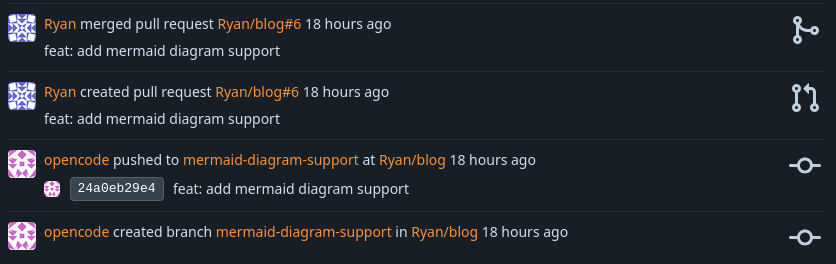
A developer deployed OpenCode as a persistent, cross-device web UI on a dedicated VM to manage their home infrastructure, running AI assistance across a dozen Docker Compose stacks. The AI generates release note summaries and adds healthchecks but can only make changes through mandatory pull request review, keeping it isolated from production services. It's a practical, security-first model for integrating AI tooling into real infrastructure without letting it run wild.
Relevance 6/10Importance 7/10
Hetzner, the German hosting provider widely used by developers and AI teams, announced a price adjustment for dedicated servers effective today, June 15, 2026. Monthly prices on new orders are increasing due to hardware procurement challenges, though setup fees are being significantly reduced, and Hetzner is standardizing its portfolio into cleaner named tiers. Existing contracts are fully protected — changes apply only to new orders and rescales.
Relevance 4/10Importance 8/10
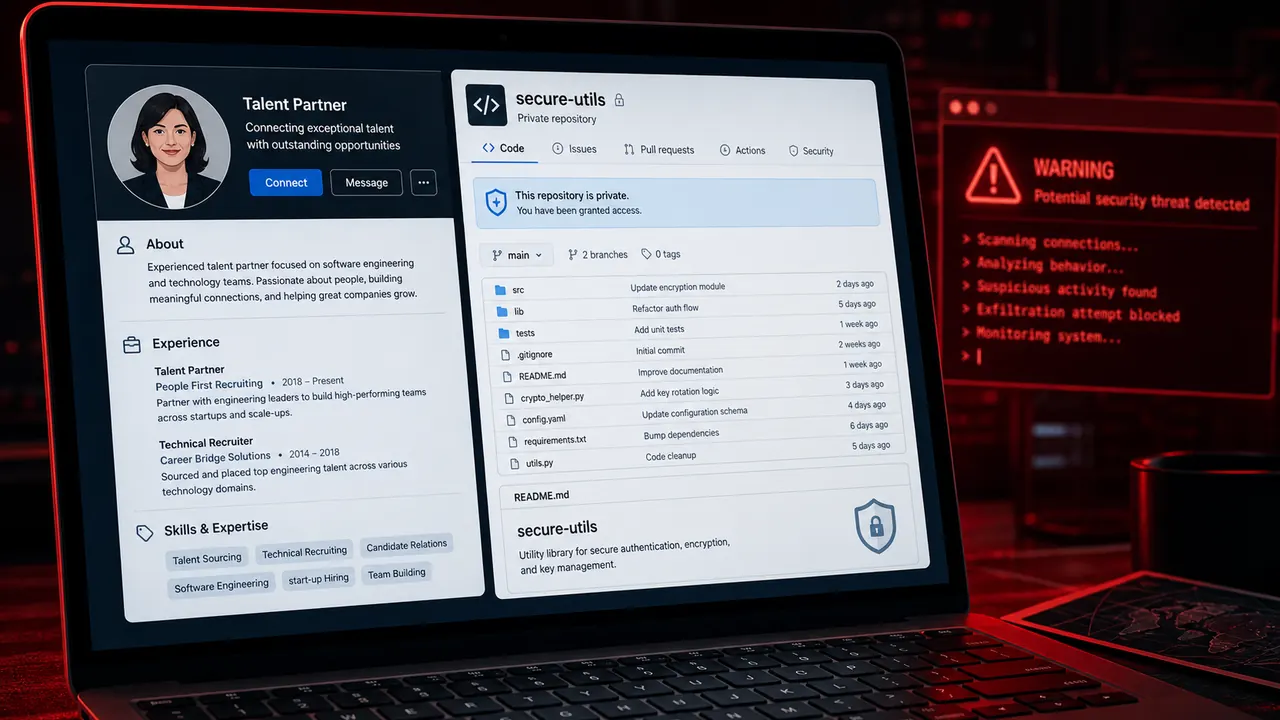
Security researcher Roman Imankulov received a LinkedIn message from a fake recruiter — using a real journalist's stolen identity — inviting him to review a GitHub repository. The repo hid a backdoor inside a test file that used npm's prepare script to automatically fetch and execute arbitrary code from a remote server the moment a developer ran npm install. The attack layered stolen credentials for both the GitHub account and the LinkedIn profile, making it a sophisticated social engineering attack aimed squarely at developers who habitually clone and install repos to review them.
Relevance 3/10Importance 7/10
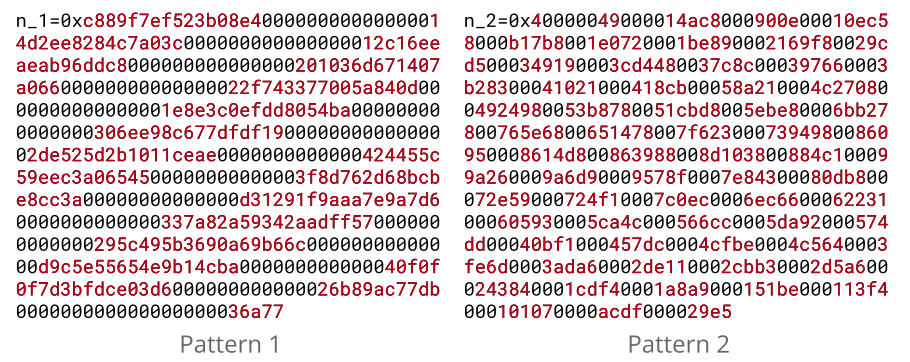
Trail of Bits discovered that CompleteFTP versions 10.0.0 through 12.0.0 contained a type mismatch in its random number generator that produced RSA keys with regularly spaced blocks of zero bits — what they call short-sleeve keys. By converting these biased integers into polynomials with small coefficients, researchers could exploit polynomial factorization to recover the prime factors and break the keys. They found 603 vulnerable RSA keys and 74 DSA keys in the wild, and CompleteFTP users in that version range should rotate their keys.
Relevance 4/10Importance 6/10
The Federal Reserve's FRED economic data series tracking US battery and battery-powered product manufacturing (IPG33591S) continues to show record output in 2026. The trend reflects sustained investment in domestic battery production driven by EV adoption, grid-scale energy storage buildout, and reshoring incentives. This matters for the AI industry too — data center energy demands and battery-backed power infrastructure are increasingly intertwined.
Relevance 5/10Importance 3/10
Michael Enger traces his lifelong love of computing from discovering an IBM 486 as a child in Norway through building a professional software career, while being honest about his complicated feelings toward the industry. He acknowledges corporate exploitation, the erosion of the open internet, and aggressive AI commercialization — and still lands on the same place many HN readers do: he loves the computer. It's a short, warm essay that clearly resonated with the crowd.
Relevance 2/10Importance 4/10
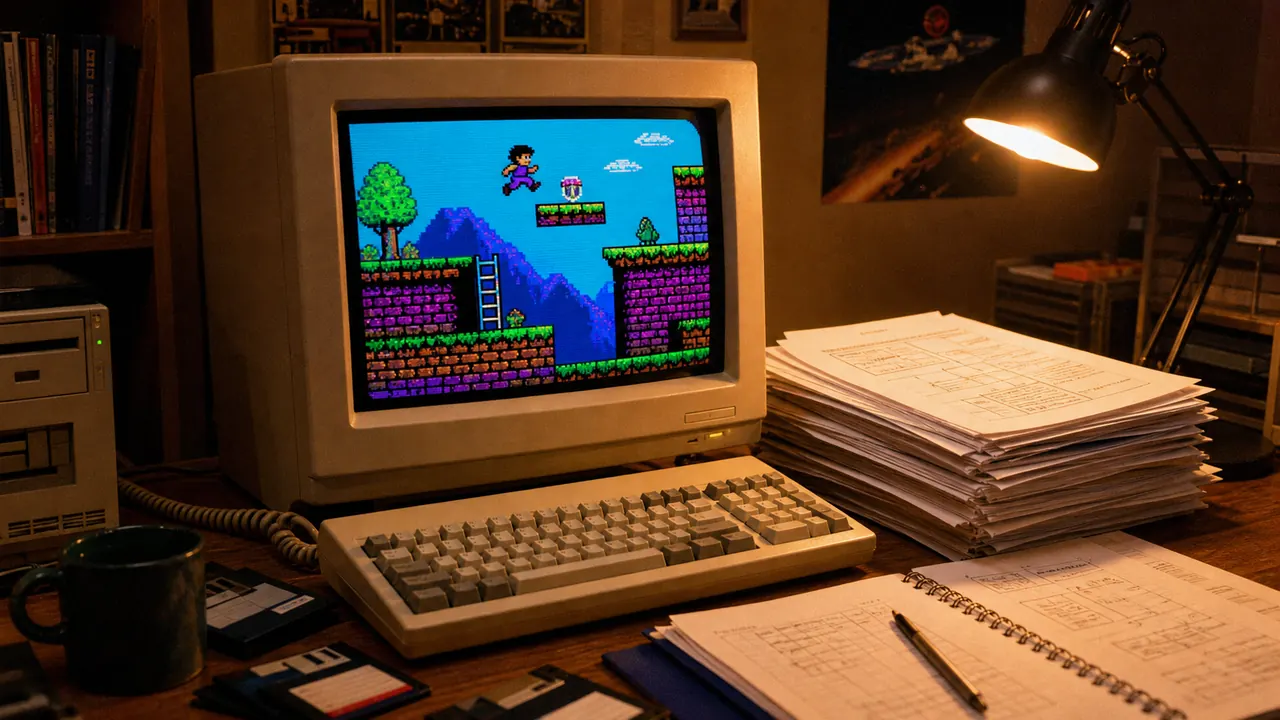
A 214-page technical deep-dive into the Commander Keen game engine covers the 80286, EGA video cards, sound cards, keyboard handling, and MS-DOS development practices from 1990. It took three years to compile, is available as a free PDF, and is a detailed retrocomputing love letter to the era when John Carmack first wowed the world with smooth scrolling on hardware that had no business pulling it off.
Relevance 2/10Importance 3/10
TinyWind is a browser-based pixel art pirate sailing game featuring real sailing physics — beam reach, tacking, jibing, broadside combat — across 7 islands with 30 historical treasures to discover. It's free, requires no installation, designed for 5-minute sessions, and the HN community has collectively sailed over 380,000 kilometers. It's just a delightful thing that exists.

 HN Briefing PM