Relevance 10/10Importance 9/10
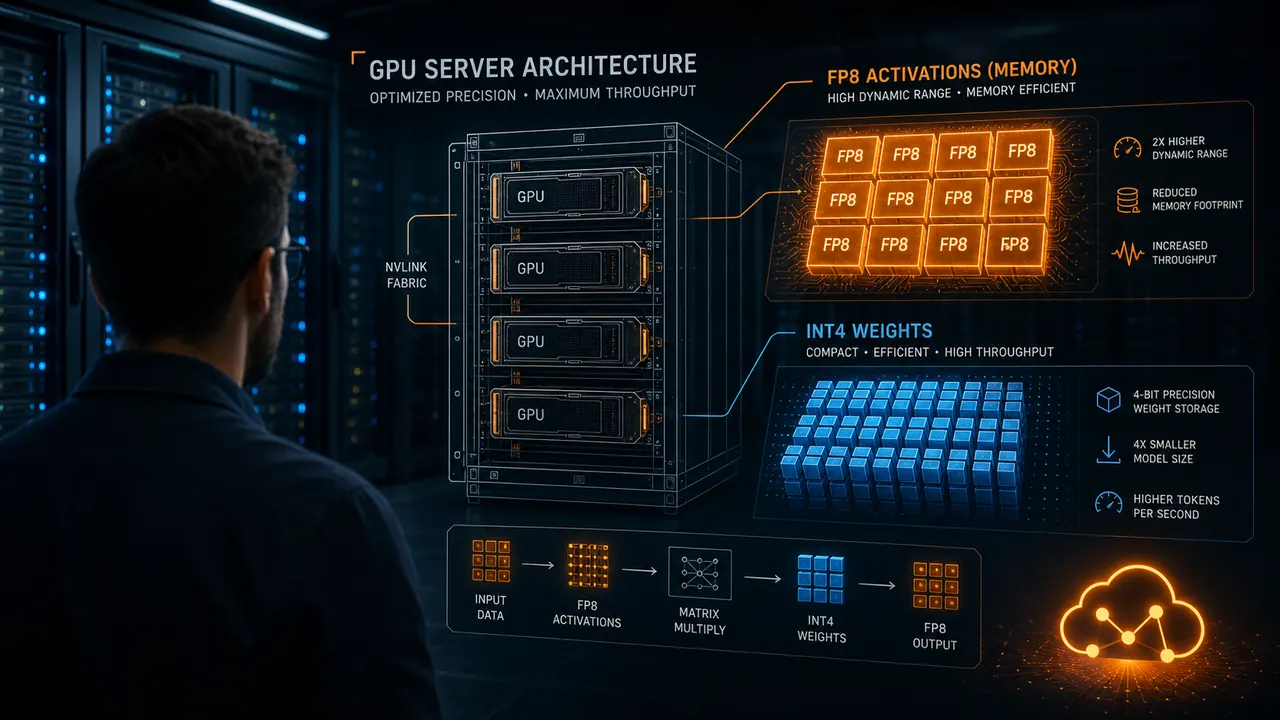
Cloudflare's Workers AI team published a deep technical post on how they're running Chinese open-source models Kimi K2.6 and GLM 5.2 at global scale using aggressive quantization. FP8 KV cache quantization halved memory and doubled Kimi's context window to 1.37 million tokens, boosting peak throughput 41% with no accuracy hit. For GLM 5.2, INT4 weight compression shrunk the checkpoint from 705 GB to 421 GB and pushed decode throughput up 55%, with disaggregated prefill/decode to avoid slowdown on compute-bound operations.
Relevance 10/10Importance 9/10
ComfyUI shipped day-zero support for MiniMax H3, an open-weights video generation model capable of text-to-video, image-to-video, and reference-style generation at up to 2K resolution with native stereo audio. The team discovered 40% of the model's parameters — the modulation weights — could be pruned and replaced with lookup tables without quality loss, slashing peak VRAM from 123.6 GB to 42.5 GB. That 66% memory reduction means a consumer RTX 3060 can now run a frontier 2K video generation model locally.
Relevance 9/10Importance 9/10
OpenAI published a roundup of ten significant advances in mathematics and theoretical computer science, landing 334 upvotes and over 600 comments — one of the most-discussed HN front-page stories today. The post covers areas where AI-assisted reasoning is making inroads into hard, previously intractable problems in formal mathematics. The HN thread reflects both genuine excitement and sharp debate over whether these count as AI achievements or AI-assisted human ones.
Relevance 9/10Importance 8/10
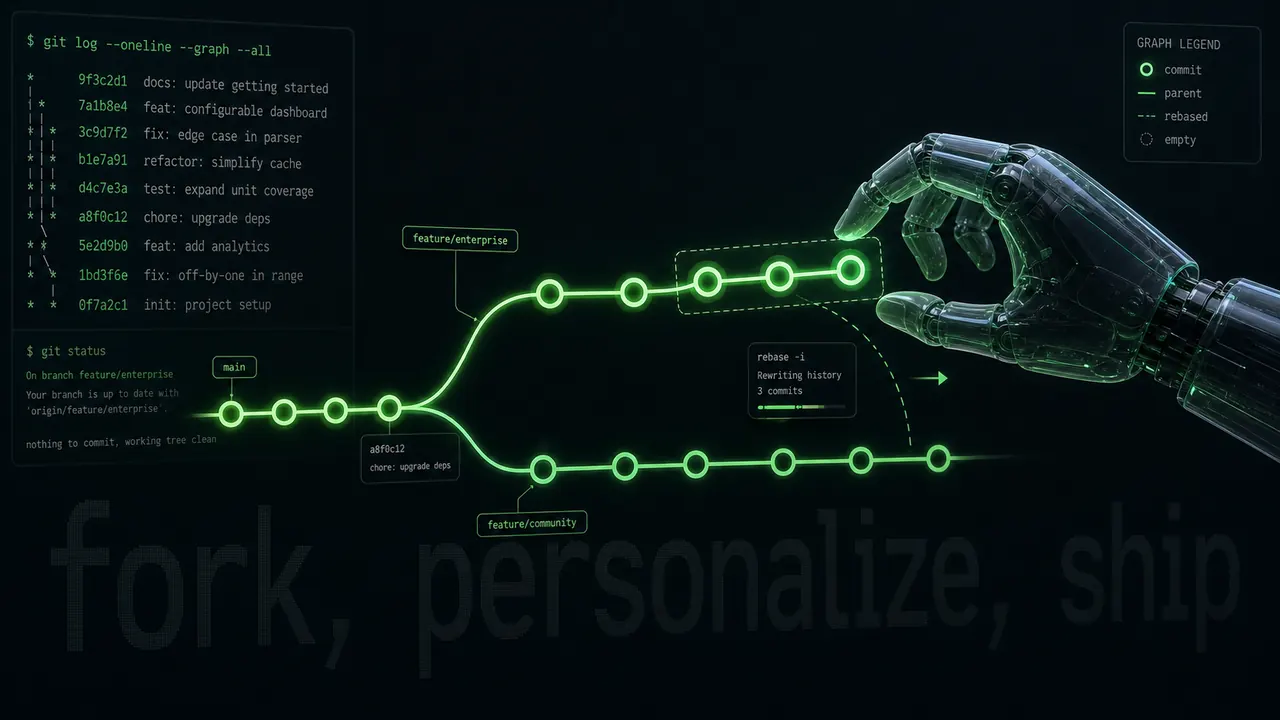
Developer David Crawshaw argues that AI agents have permanently broken the economics of closed-source devtools. The old case against personalized software was maintenance burden — now two prompts can fork any tool and a third can set up a nightly autonomous agent to rebase local changes against upstream. Without source access, none of this is possible, which Crawshaw says makes closed-source tools like Claude Code structurally inferior for any serious developer workflow in 2026.
Relevance 9/10Importance 7/10
Sean Goedecke's essay argues that LLMs don't level the playing field — they steepen it in favor of domain experts. He uses Terence Tao's ChatGPT sessions on the Jacobian Conjecture to show how expertise changes every prompt: you know what to ask, when to push back, and how to recognize when the model is wrong. The bottleneck isn't the model's knowledge — it's your ability to extract and validate the right answer, which requires expertise you can't fake.
Relevance 7/10Importance 8/10
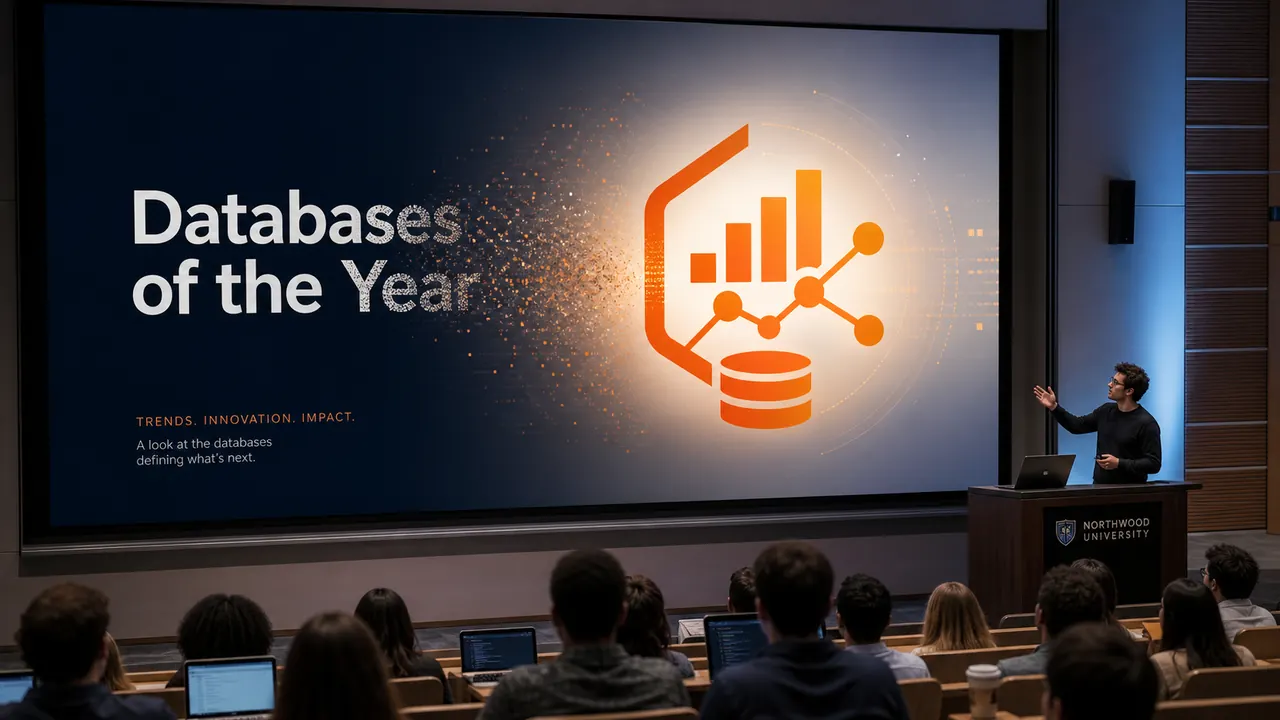
CMU database professor Andy Pavlo — author of the annual "Databases of the Year" retrospective — is leaving academia to lead ClickHouse Labs. He's been a ClickHouse fan since the 2016 open-source launch and flagged AI workloads as a near-term research priority: both how databases should evolve for AI and whether agents can improve database development itself. The labs model targets IBM Research-level impact — advancing fundamental CS while shipping into the product.
Relevance 6/10Importance 7/10
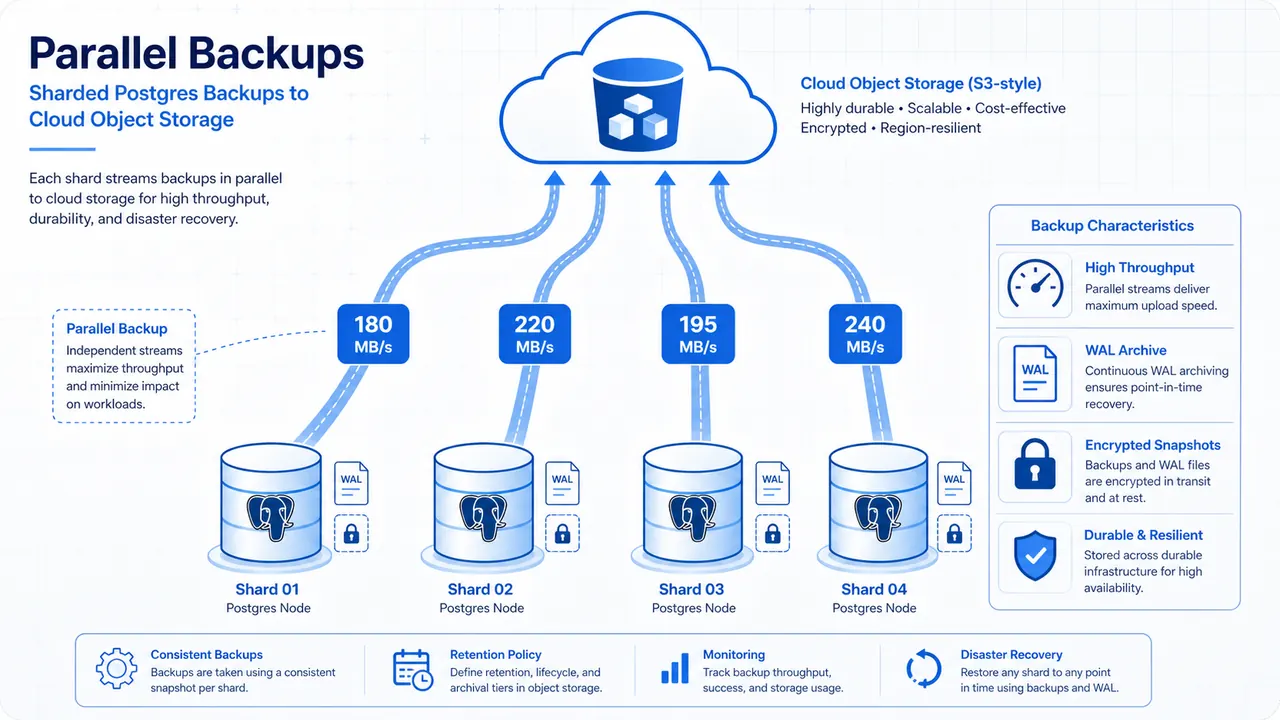
PlanetScale published a detailed breakdown of how they back up petabyte-scale sharded Postgres at over 50 GB/s. The technique is filesystem snapshot plus WAL replay on dedicated EC2 instances per shard — production never takes the IOPS hit. The parallelism math is elegant: 32 TB on 8 shards takes 2.8 hours; that same data unsharded would take 22, and the same pattern applies to their MySQL fleet via VTBackup and binary logs.
Relevance 4/10Importance 5/10
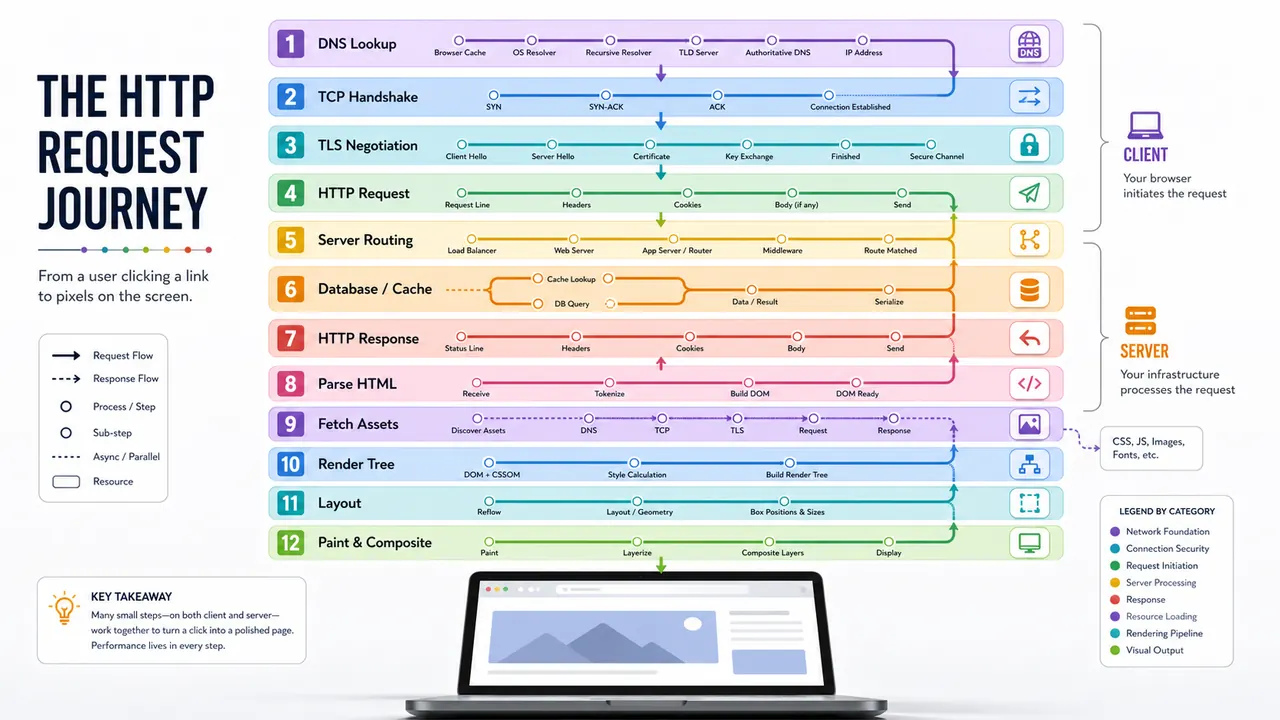
The Nodebook published an interactive visualization tracing a single HTTP request from browser click through DNS, TCP, TLS 1.3, the Linux kernel, Node.js event loop, a Postgres query, and browser paint — all in plain English aimed at beginners. Every networking concept gets explained in context as the request travels the full stack. It's the kind of resource you forward to a junior dev who keeps saying they don't really understand what the network is doing.
Relevance 3/10Importance 6/10
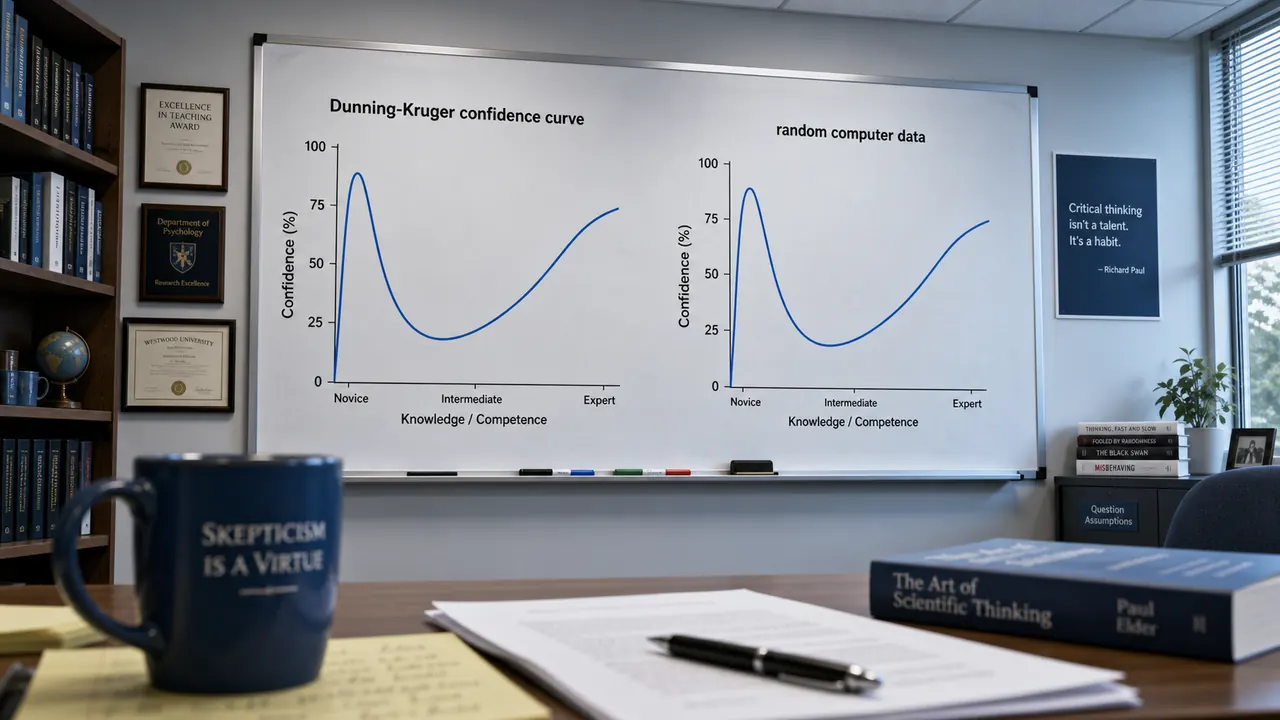
A 2020 McGill piece resurfaced on HN today arguing the Dunning-Kruger effect is a statistical artifact, not a real cognitive phenomenon. Researchers found that randomly generated computer data with no human subjects at all produces the same distinctive curve — a consequence of regression to the mean and how quartile-split averages behave. Overconfidence bias and the better-than-average effect are separately documented and real; the iconic DK graph may simply be a visualization choice that generates its own pattern.
Relevance 2/10Importance 5/10
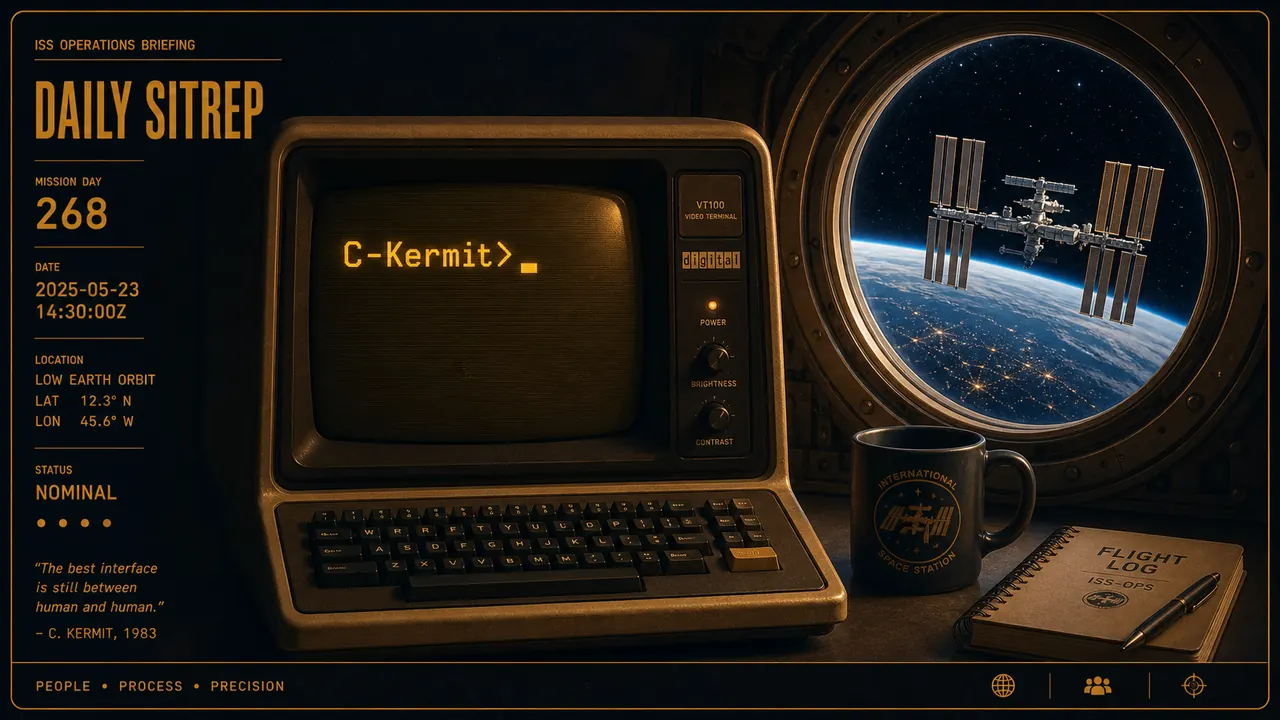
C-Kermit just shipped its first major release in 15 years. The file transfer protocol that runs on the International Space Station and inside Boeing 787 manufacturing now has IPv6 support, memory safety fixes, and a test suite covering Linux, macOS, FreeBSD, NetBSD, and OpenBSD — built by Debian maintainer John Goerzen, who discovered and fixed decades-old protocol bugs in the process. Development has moved to Open Kermit, and the release is dedicated to Frank da Cruz's 44 years of direct involvement.

 HN Briefing PM