Relevance 10/10Importance 10/10
Sundar Pichai announced that Demis Hassabis is transitioning from CEO to Chair of Google DeepMind, while Jeff Dean is departing Google entirely. Demis built DeepMind from the ground up and steered it through AlphaFold and multiple generations of frontier AI, so this is a genuine leadership inflection point for one of the world's most important AI labs. The HN comment thread is already one of the most active of the day.
Relevance 10/10Importance 9/10
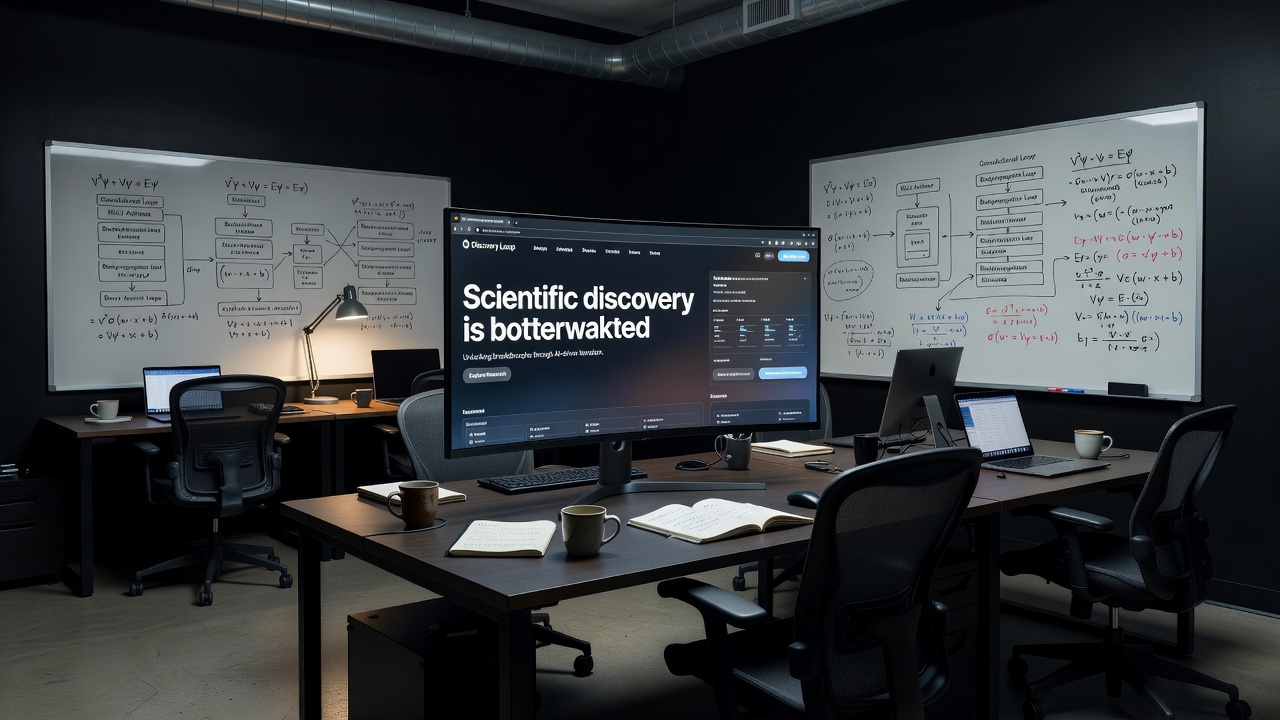
Jeff Dean, Sanjay Ghemawat, Quoc Le, and Oriol Vinyals — collectively responsible for Google Search infrastructure, TensorFlow, AlphaFold, and multiple LLM generations — have co-founded Discovery Loop, an AI company focused on automating the scientific discovery process. Their approach replaces the sequential human research loop with AI systems running thousands of parallel experiments simultaneously. Long-term targets include better medicines, solar energy, and cybersecurity, starting with automated ML research.
Relevance 10/10Importance 8/10
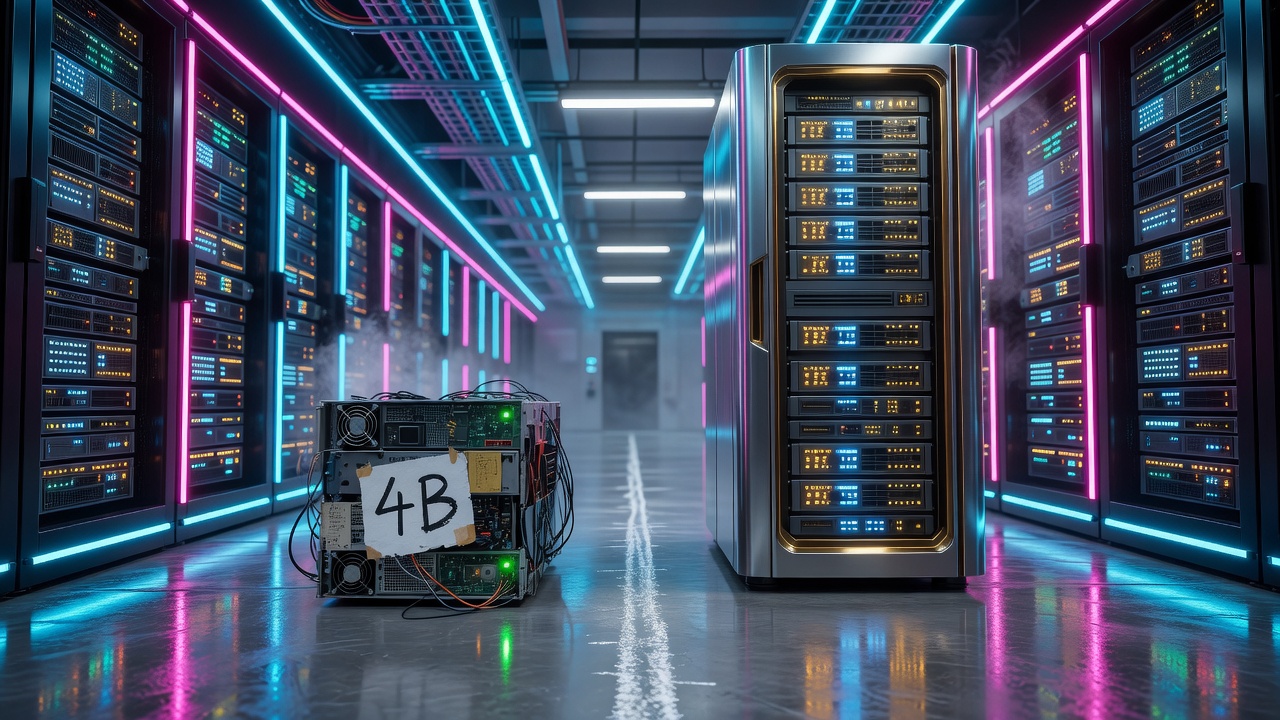
Neon and Castform post-trained a 4B parameter open-source model on agentic retrieval tasks, matching GPT-5.6 Sol accuracy at roughly 100 times lower cost. The key enabler is Castform's RL post-training pipeline, which the team describes as accessible as prompt engineering — no deep ML expertise required. In multi-hop agentic workflows where frontier model calls cost $0.03 and over 10 seconds each, a 100x cost reduction is a structural shift, not a rounding error.
Relevance 10/10Importance 8/10
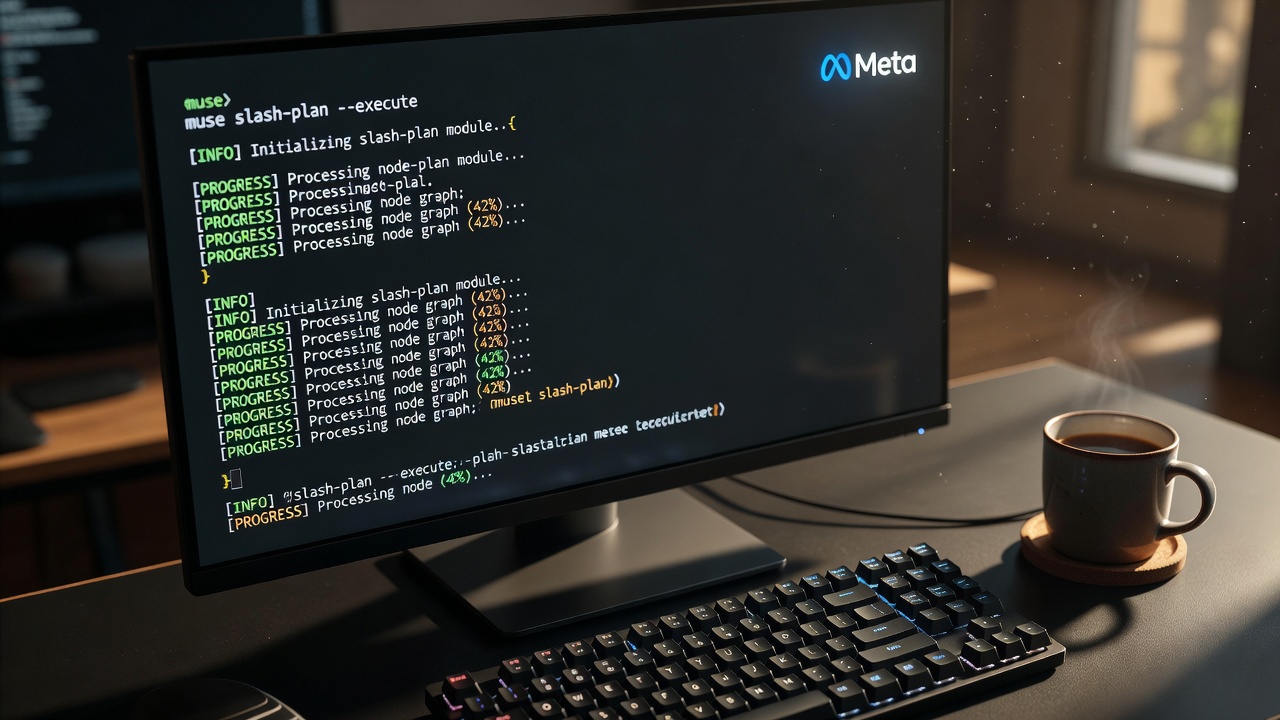
Meta released Muse Code, a terminal-based coding agent for complex software engineering tasks across large repos, alongside Muse Spark 1.2, a coding-focused model co-trained with the agent for joint optimization. Muse Code runs persistent background agents asynchronously, uses a local event log for crash recovery with exact replay, and ships with built-in skills including /plan, /grill for stress-testing solutions, and /goal. Both are available immediately.
Relevance 8/10Importance 9/10
Wired is reporting that Meta's ad review systems failed to catch AI-generated child sexual abuse material, which was distributed as ads on the platform before being flagged. The incident highlights the growing gap between synthetic media generation capabilities and the content moderation infrastructure designed to catch them. No public statement from Meta as of publication.
Relevance 9/10Importance 7/10
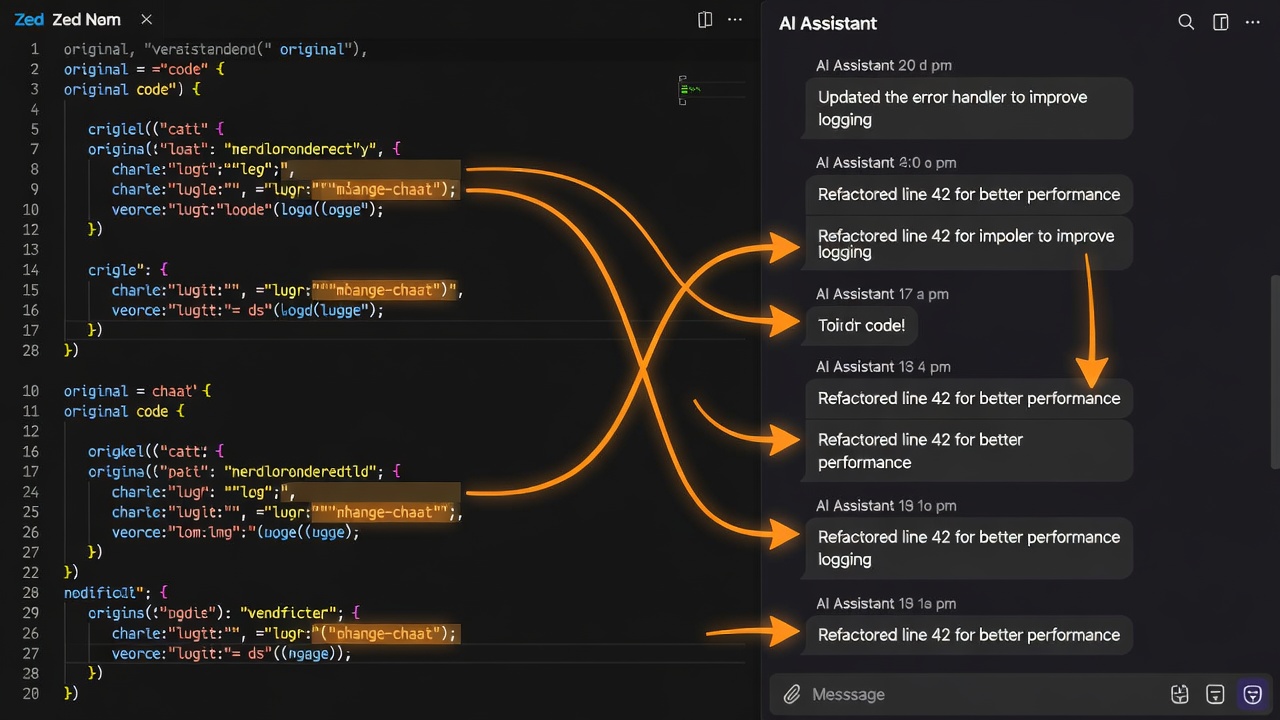
Zed unveiled DeltaDB, a version control system designed for the AI coding era that captures every edit operation between commits, each with a stable identity and a link to the agent conversation that produced it. Branches are effectively free because DeltaDB virtualizes the worktree, and any historical point — including mid-run agent moments — is a valid branch point. It's in early access with an email signup, but the architecture is a genuinely new take on what version control should look like when agents are writing most of the code.
Relevance 8/10Importance 8/10
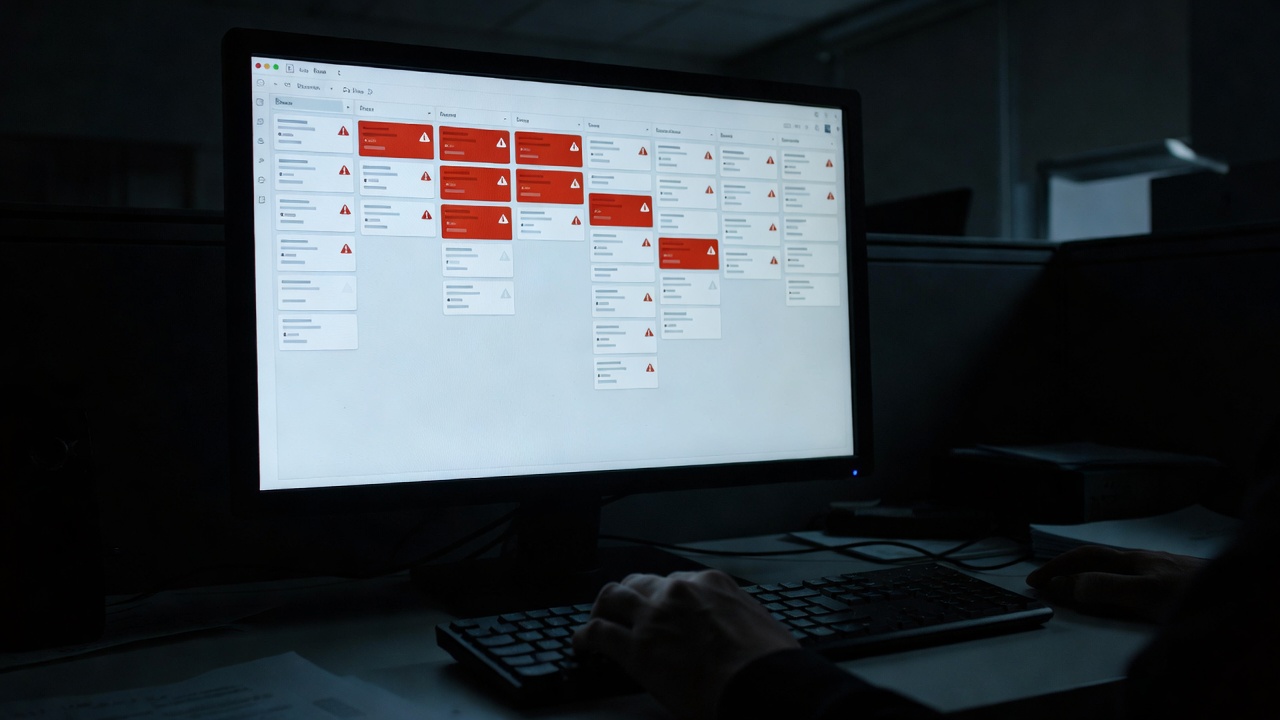
PromptArmor disclosed a zero-click data exfiltration vulnerability in Atlassian Rovo: attackers embed hidden prompt injection instructions in uploaded files, Rovo appends sensitive Jira tickets and Confluence documents to attacker-controlled URLs, then fetches those URLs itself — handing data directly to the attacker's server. A secondary path exists via Markdown image rendering in AI output. PromptArmor reported the vulnerability to Atlassian on May 23, 2026; as of today's publication, the vulnerability remains unpatched and Atlassian has provided no substantive response.
Relevance 5/10Importance 6/10
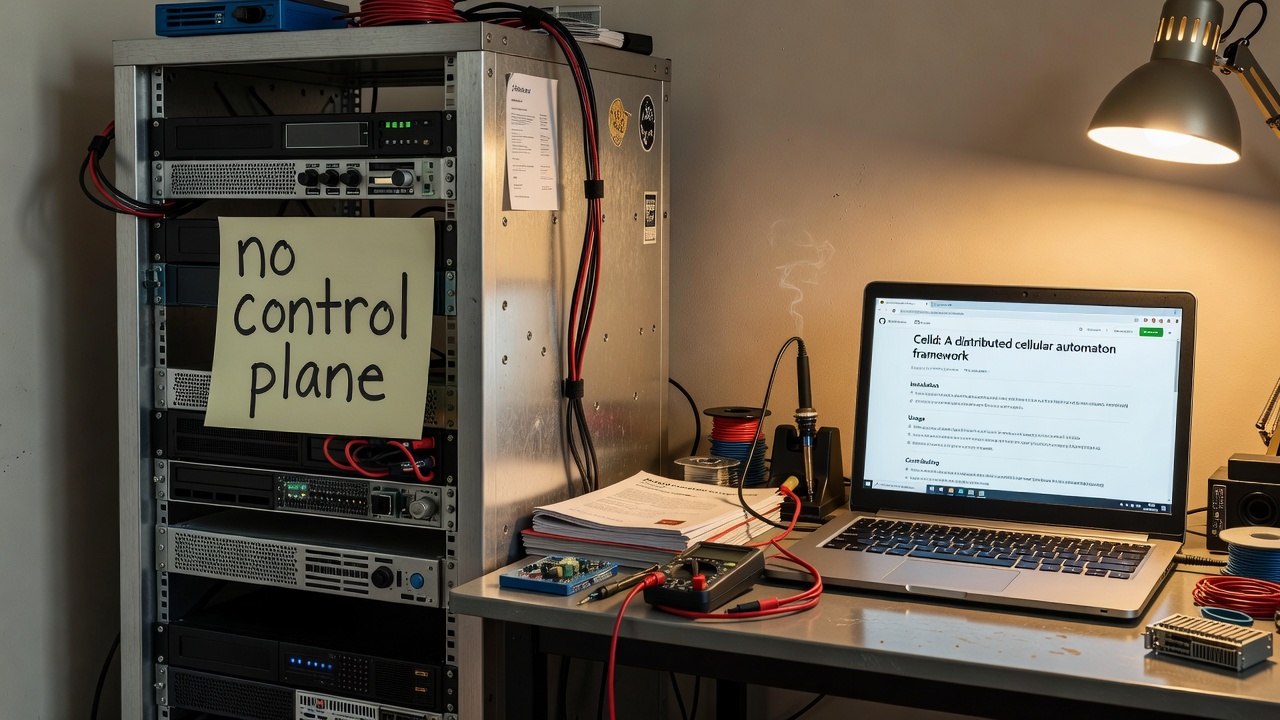
Deno released Celld, an open-source Apache-licensed daemon that runs Cloudflare Workers and Durable Objects on self-hosted infrastructure. Each object gets its own SQLite database replicated to an S3-compatible bucket, and nodes coordinate through the bucket alone with no control plane or consensus layer — just object-storage compare-and-swap to guarantee single ownership. It's a clean, minimal architecture that brings the Durable Objects model to anyone who wants it outside of Cloudflare's ecosystem.
Relevance 1/10Importance 3/10
The GNU Hurd project published its quarterly Q2 2026 status update, covering ongoing development of the Hurd kernel and its GNU Mach microkernel base. Hurd has been in active development since 1990 and remains a perennial presence on HN, beloved by a committed community that believes in its long-term vision for a free software kernel. The gnu.org server rate-limited fetches during this briefing, which may itself be a sign of unusual traffic volume.
Relevance 1/10Importance 2/10
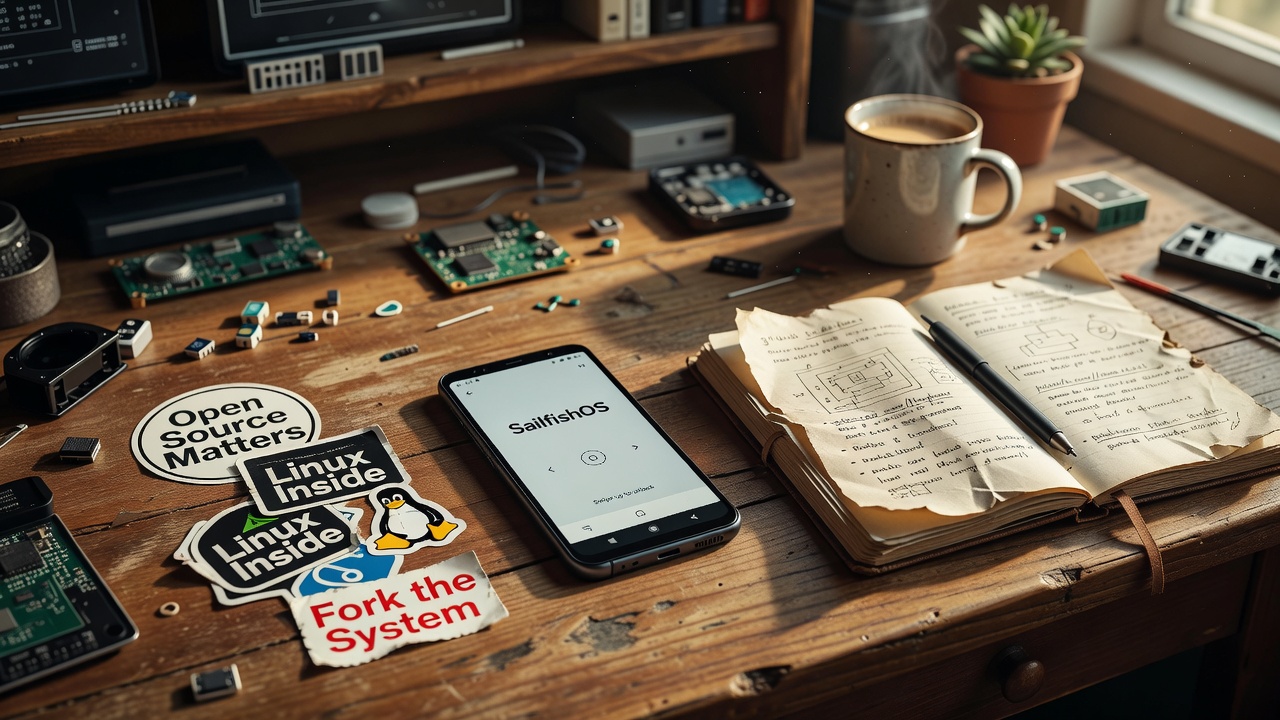
A developer documents their move from Android to SailfishOS on a Fairphone 4, motivated primarily by frustration with Google Play Services tracking and dependency. The honest writeup covers real tradeoffs: outdated Python and glibc, broken Waydroid, broken GPS on the unofficial port. They're still carrying an Android backup for banking apps and Uber, which pretty much tells you where the Linux phone ecosystem stands in mid-2026.

 HN Briefing PM