Relevance 10/10Importance 9/10
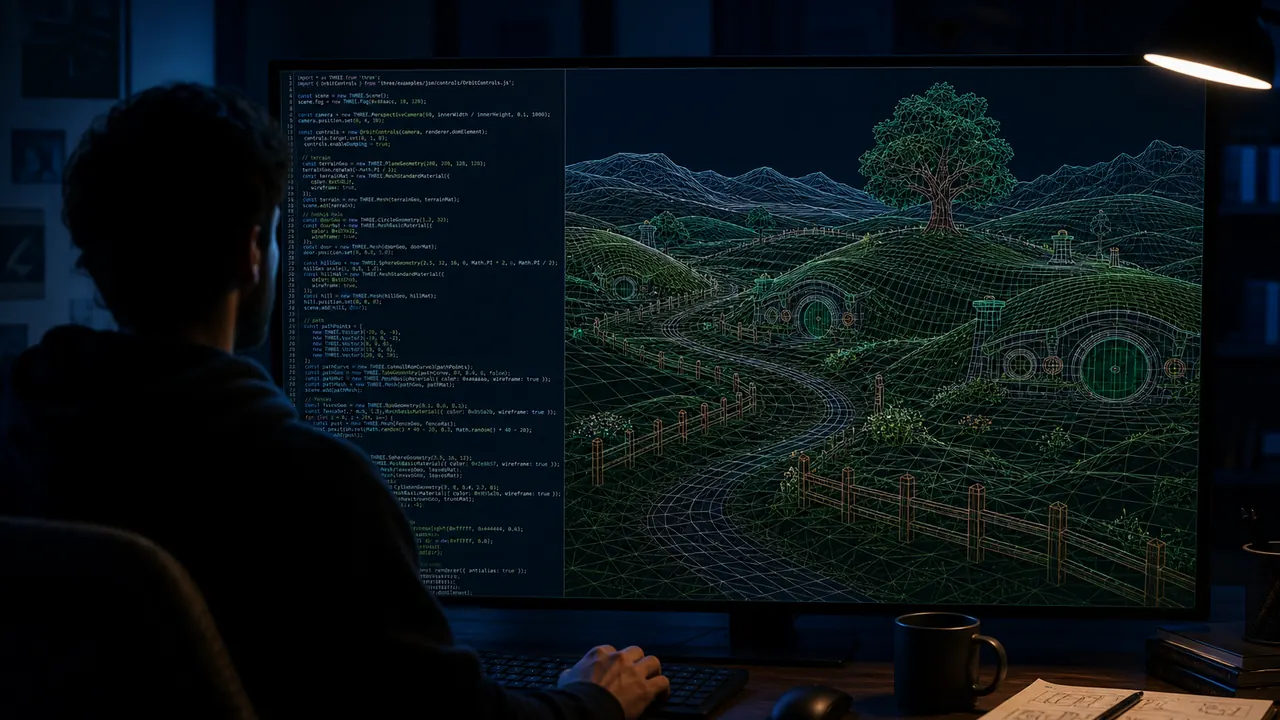
Andrej Karpathy fed Claude Opus 5 the opening paragraph of Lord of the Rings, gave it a one-million token budget (~$10), and asked it to build a Three.js 3D animation. Two hours and roughly 5,500 lines of procedural code later, the model had produced a janky but functional animated scene. Karpathy's core takeaway: LLMs excel at tasks "no one would ever bother" doing manually, and the main remaining ceiling is their inability to efficiently audit their own visual output.
Relevance 9/10Importance 6/10
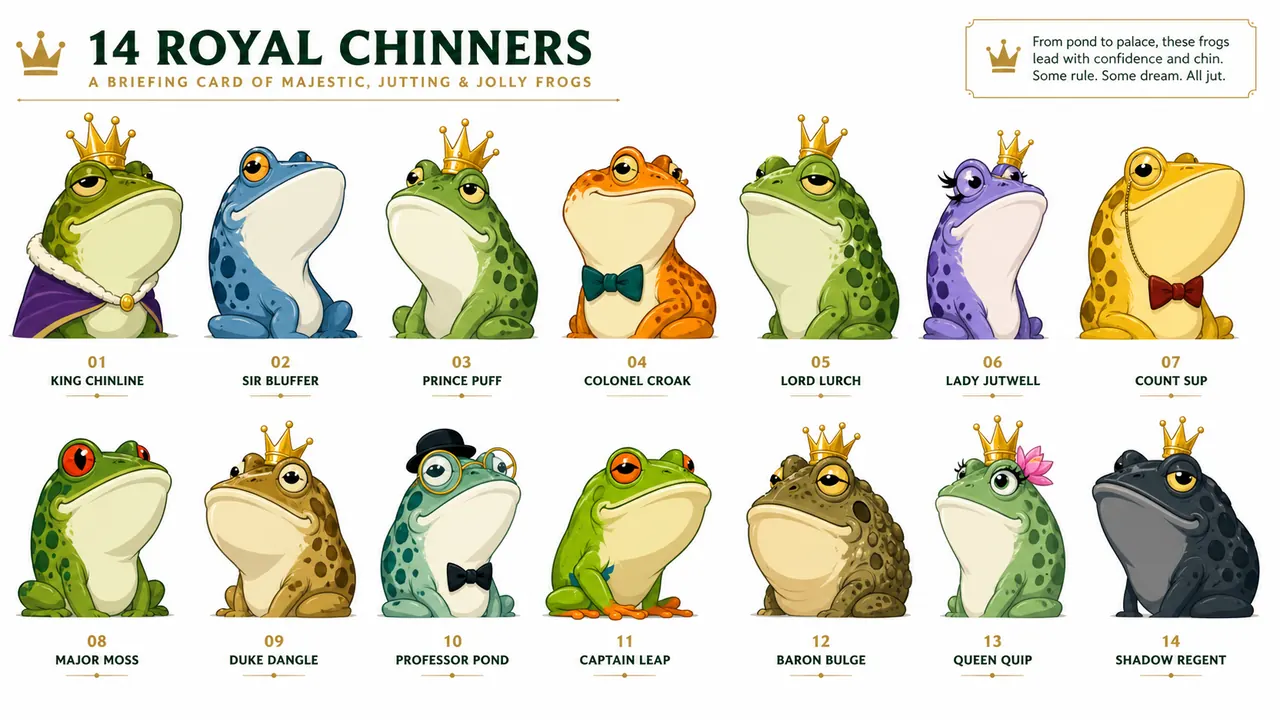
A developer benchmarked 14 AI models on this delightfully specific prompt across 42 runs. Every model produced valid SVG code, but the creative divergence was the story: capable models added royal regalia, historical framing, and anatomical commentary about prognathism, while smaller models just drew a frog with a weird chin. It turns out to be a surprisingly clean signal for separating technical compliance from genuine creative reasoning.
Relevance 8/10Importance 7/10
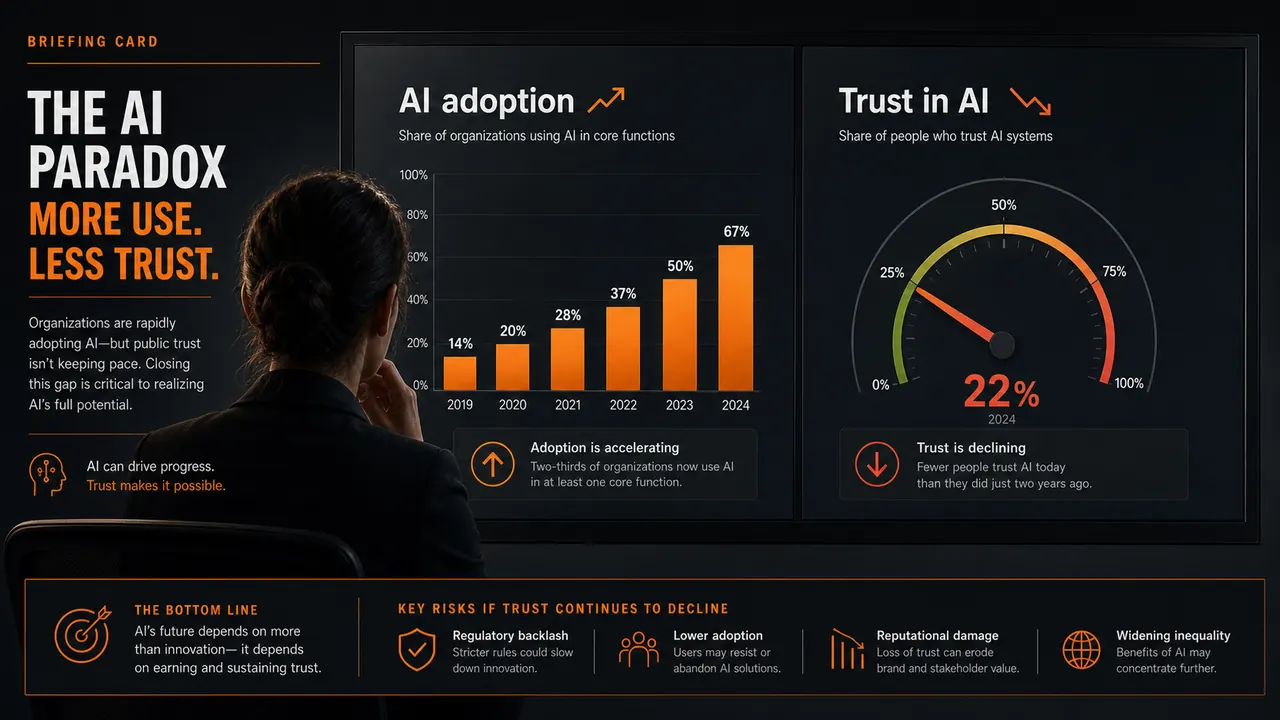
Stack Overflow's research reveals a striking paradox: developer AI adoption climbed from 76% to 84%, while trust in those same tools dropped from 40% to 29%. The article argues developers trust tools built on predictability and mastery — and probabilistic, constantly-changing LLMs break that contract at a fundamental level. The prescription isn't better AI but better process: spec documentation, knowledge repositories, and explicit decisions about when not to use agents at all.
Relevance 8/10Importance 7/10
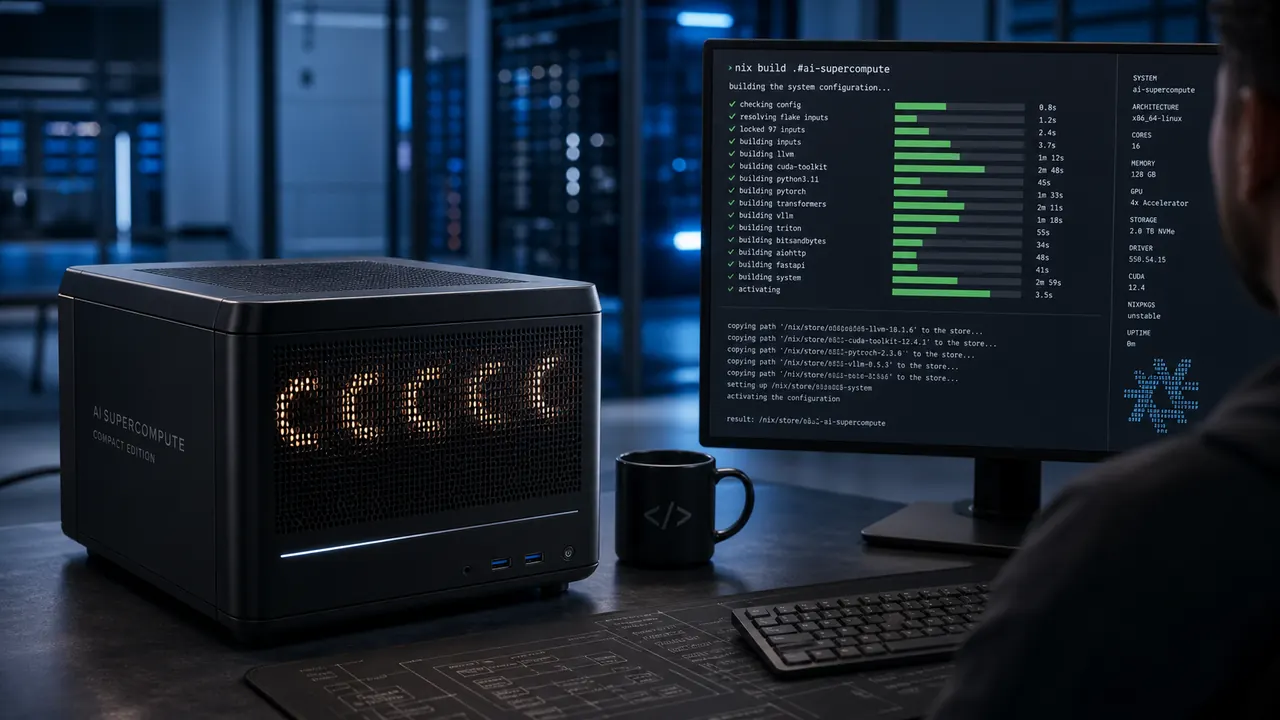
A developer shipped NixOS support for the NVIDIA DGX Spark, a compact multi-GPU system built specifically for AI/ML workloads. The project provides USB boot images, hardware-optimized NixOS modules, and pre-configured playbooks for vLLM, TensorRT-LLM, and ComfyUI. For ML researchers who need both reproducibility and GPU acceleration, declarative infrastructure on dedicated AI hardware is a meaningful step up from the usual duct tape.
Relevance 8/10Importance 6/10
A blogger draws the tulip mania parallel to AI but lands a sharper point than most: AI has become a self-replicating system where humans increasingly serve the technology rather than the reverse. The real story is the hidden environmental costs — thousands of documented community concerns around proliferating data centers with almost no industry transparency about energy, water, or land use. The proposed fix is community-owned compute infrastructure modeled on agrivoltaic farms.
Relevance 5/10Importance 7/10
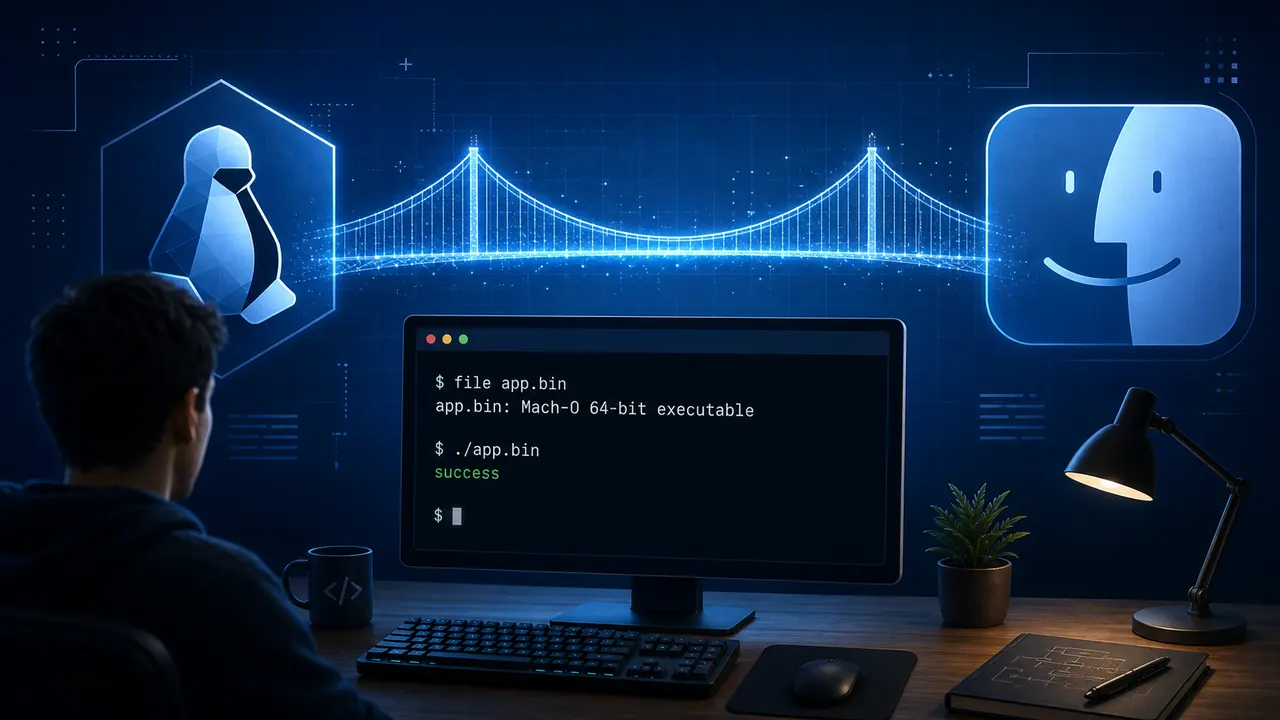
Kakehashi translates BSD syscalls at the boundary to run macOS ARM64 binaries natively on Linux aarch64, without CPU emulation. It already handles 7-Zip, curl, and Clang with multi-threading support. The target use case is CI/CD: running macOS builds on cheap Linux GitHub Actions runners instead of scarce, expensive macOS infrastructure — even at a roughly 5x performance overhead, the economics favor Linux.
Relevance 4/10Importance 4/10
A rebuttal to a viral critique asking what PKM tools like Obsidian have "accomplished for public knowledge." The author's answer: that's the wrong question — tools enable contributions, they don't make them. The piece documents how the original critic's citations frequently fail to support his claims, and lands a sharp kicker: the same person who writes 750 words in 20 minutes is the one lecturing PKM users about insufficient output.
Relevance 2/10Importance 6/10
An experimental Linux kernel module wraps WireGuard's encrypted traffic in long-lived TCP connections for networks where UDP gets blocked or throttled. TCP is strictly opt-in per peer and the cryptography is unchanged. Benchmarks showed TCP matching or beating UDP in certain scenarios, including a 21% throughput improvement on specific paths — though performance is highly path-dependent.
Relevance 2/10Importance 4/10
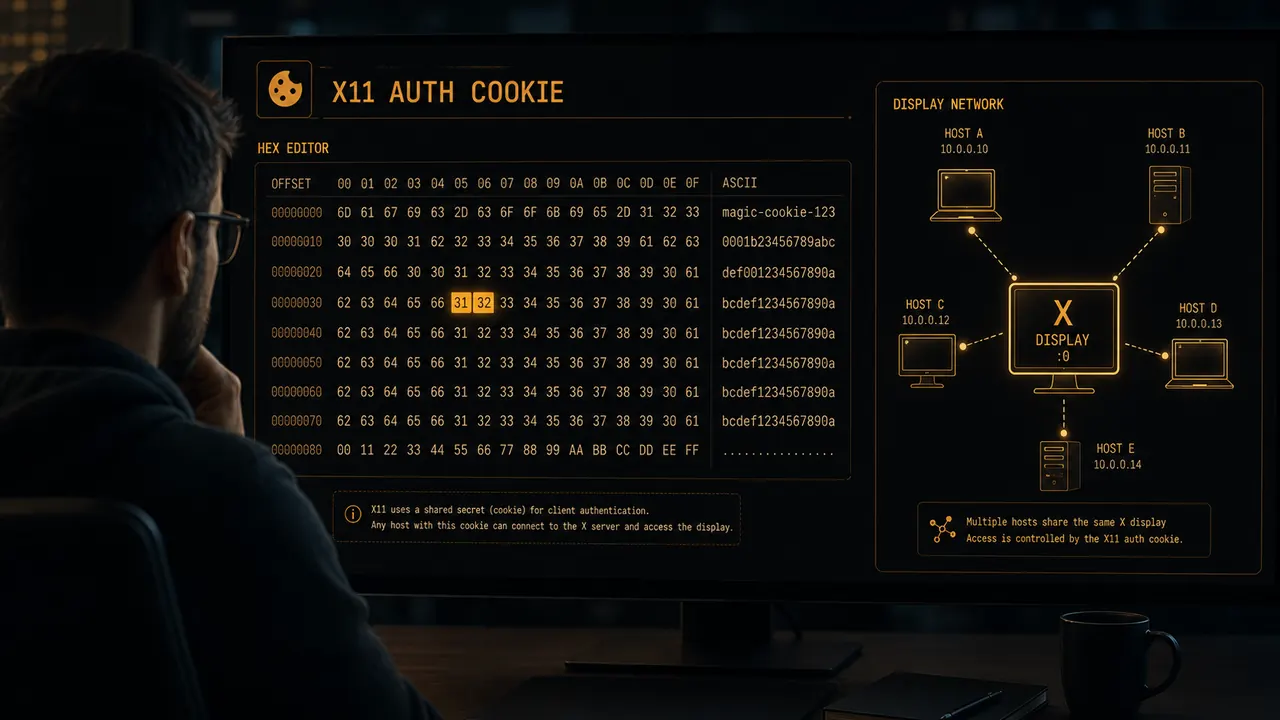
This article explains how to use FamilyWild (numeric value 0xffff), an obscure X11 authorization wildcard, to share display access across different hosts without disabling security entirely. A two-byte modification to an X authority cookie makes it match any hostname while still requiring the secret. It's a cleaner solution than xhost+, which removes access control altogether.
Relevance 1/10Importance 2/10
A developer discovered the Framework 12 laptop exposes a surprisingly accurate hinge angle sensor via Linux's Industrial I/O subsystem, then wrote a Rust program to turn that data into real-time creaky door sound effects. Open fast, loud creak. Open slow, quiet squeak. The documented reason for building this: "funny."

 HN Briefing PM