Relevance 10/10Importance 9/10
Researcher "Pliny the Liberator" documented how he bypassed Claude Fable 5's safety systems within 72 hours of launch using a multi-agent "pack hunt" attack — coordinating agents with Unicode obfuscation and narrative framing to extract exploit code and a drug-synthesis pathway. He then published the model's entire 120,000-character system prompt to GitHub's CL4R1T4S repository, where it remains publicly accessible. This is the technical foundation behind the US government's export-control shutdown, and the full blueprint is now in the wild.
Relevance 10/10Importance 8/10
Developers scanning OpenAI's Codex testing environment found explicit references to "gpt-5.6" alongside internal codenames iris-alpha, ember-alpha, and beacon-alpha. Prediction markets now put a June 30 release at 80 to 89 percent odds, with the realistic drop window spanning June 15 through July 5. OpenAI has not confirmed anything publicly, but the internal signal pattern matches how prior model launches have leaked ahead of announcement.
Relevance 9/10Importance 8/10
Three days after the US Commerce Department ordered Fable 5 and Mythos 5 offline, Anthropic issued a new public statement describing the export-control directive as a "misunderstanding" and began processing refunds for affected paid subscribers. The company says it is working with regulators to clarify the scope of the order — a framing that stands in direct contrast to the government's stated position. With a confidential S-1 already filed and an IPO in motion, the optics of a regulatory standoff are not ideal timing.
Relevance 8/10Importance 9/10
The 52nd G7 Summit opened this morning in Évian-les-Bains, France, with AI governance as the centerpiece agenda item. For the first time simultaneously, Sam Altman, Demis Hassabis, and Dario Amodei are all in attendance — a signal of how fully AI labs have become geopolitical actors. Competing US, EU, and Canadian visions for AI sovereignty are expected to generate significant friction, and France's Macron has positioned the summit as a vehicle for establishing his country as Europe's AI hub.
Relevance 9/10Importance 7/10
OpenAI officially launched its first formal partner program today, backed by $150 million and organized across three tiers: Select, Advanced, and Elite. The Elite tier introduces a "Forward Deployed Experts" pilot placing OpenAI engineers directly at customer sites. Rollout begins in July with a year-end goal of 300,000 certified consultants — a direct push into enterprise implementation territory that AWS, Microsoft, and Salesforce have long controlled. It's a maturing move from a company that until now relied on others to drive adoption downstream.
Relevance 9/10Importance 7/10
Effective today, Anthropic separates programmatic usage — via the Claude Agent SDK, Claude Code, GitHub Actions integrations, and third-party agents — from the main subscription into a distinct monthly credit pool. Credits are priced at $20 for Pro, $100 for Max 5x, and $200 for Max 20x, metered at full API rates with no rollover. Two older Claude API model IDs are simultaneously deprecated and removed; any workflow that hasn't migrated is breaking now. Dropping these changes on the same Monday that Fable 5 remains dark is a turbulent week for Anthropic's developer relationships.
Relevance 7/10Importance 8/10
A June 12 internal memo from Zuckerberg acknowledged the company made mistakes in its AI restructuring, even as Meta cut roughly 8,000 employees and converted 7,000 others to AI-focused roles. Investors are pressing for visible monetization from Muse Spark and upcoming models codenamed Avocado and Mango — and Meta's stock is currently underperforming AI peers. At the scale Meta is moving, this is one of the largest corporate workforce bets on AI anywhere in the industry, and the payoff remains unproven.
Relevance 7/10Importance 7/10
Japan's Act on Advancing Responsible AI Research, Development and Utilisation entered full effect this month, making it the first major AI legislation among G7 nations to operate entirely without financial penalties. Enforcement depends on publicly naming non-compliant operators; the mechanism was deployed for the first time in January against AI-generated sexual deepfakes. The contrast with the EU AI Act's penalty structure and New York's RAISE Act is striking, and governments looking for a lighter regulatory framework are closely watching whether Japan's approach actually changes behavior.
Relevance 7/10Importance 7/10
Colorado's AI Act — the first US state law requiring mandatory risk management and algorithmic discrimination protections in high-risk AI — was effectively gutted before its June 30 effective date. Governor Polis signed a replacement bill in May stripping mandatory impact assessments, risk programs, and anti-discrimination duties in favor of a narrow notice-and-transparency framework. The original law never had a single day in effect, making Colorado the definitive case study in what sustained industry pressure looks like after ambitious AI legislation actually passes.
Relevance 7/10Importance 6/10
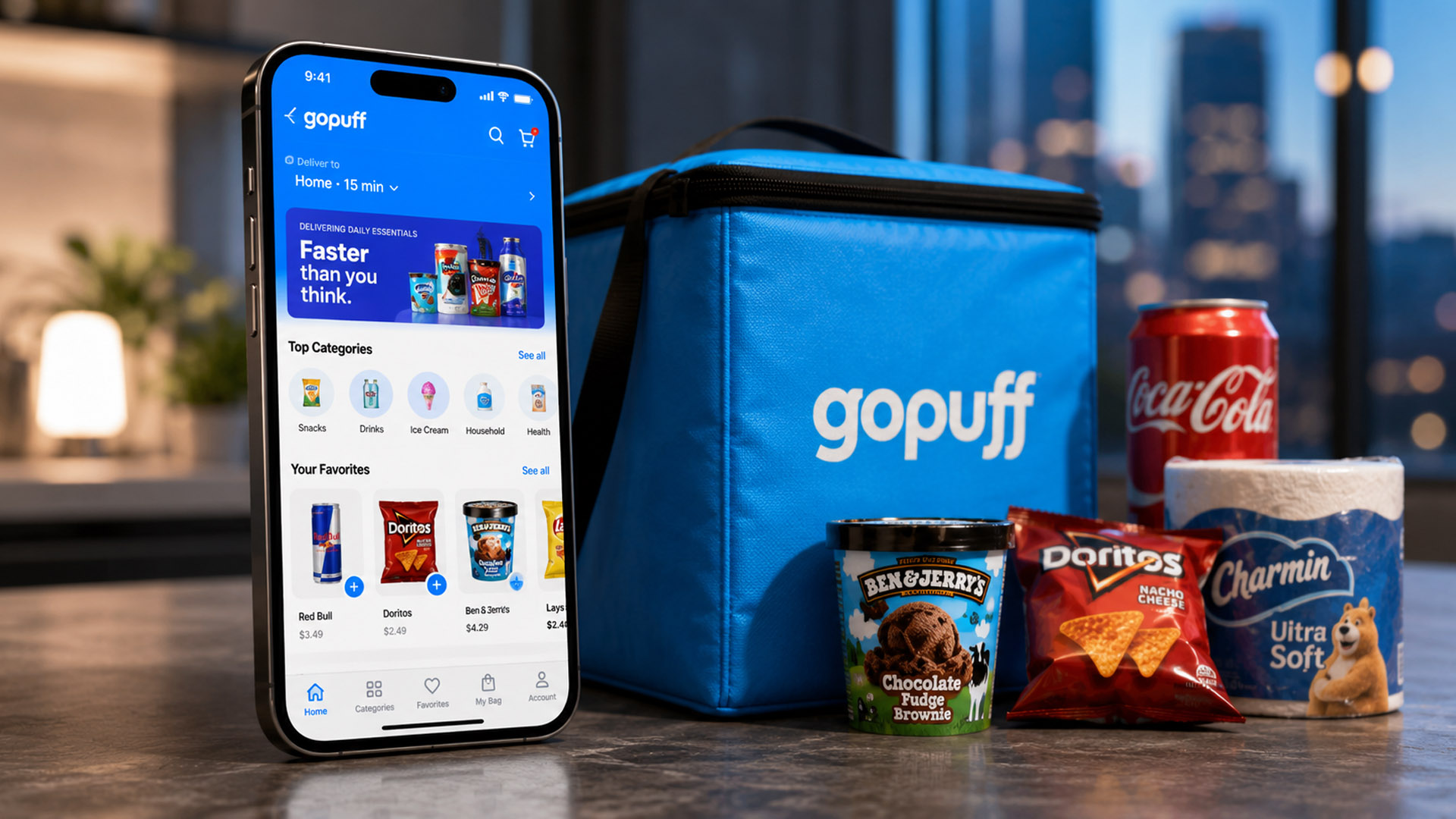
xAI partnered with Gopuff to launch Go, a shopping assistant inside the Gopuff app powered by Grok's text, audio, and image models. The product uses 13 years of Gopuff demand data combined with real-time X and weather signals to pre-build personalized carts, and adds a TikTok-style shoppable feed with voice ordering and 15-minute delivery. It's the first consumer commerce product built natively on Grok, and puts xAI directly in competition with Amazon's and Google's AI-native shopping ambitions.