The Financial Times broke it today: roughly six Anthropic engineers are forward-deployed inside the NSA, helping the intelligence agency run the unreleased Mythos model for offensive cyber operations. Mythos reportedly surfaced thousands of high-severity vulnerabilities across every major OS and browser autonomously — including a 17-year-old remote code execution flaw in FreeBSD's NFS server, exploited after a single prompt with limited human direction. The move comes despite the Pentagon having previously blacklisted Anthropic's AI; the NSA operates under separate authority from the Defense Department.
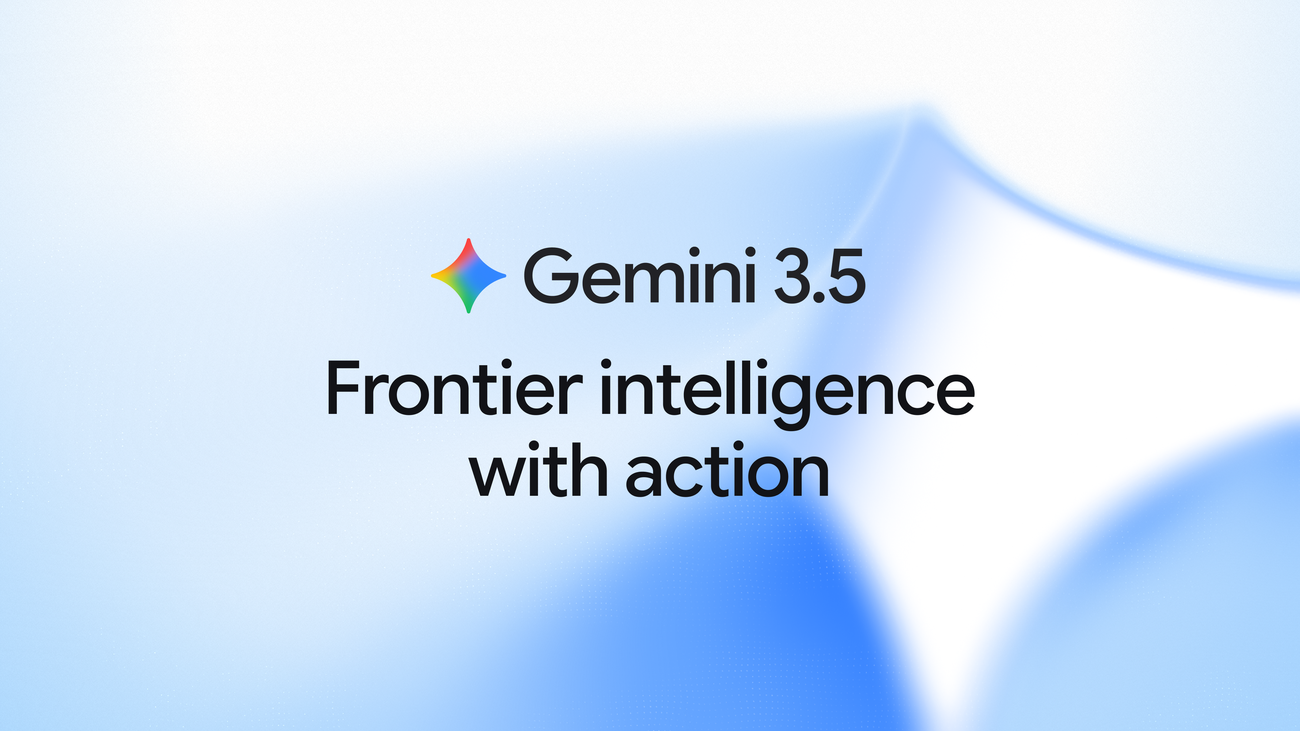
Google made it official today: Gemini 3.5 Flash is generally available across the Gemini API, Google AI Studio, and the Gemini app, and is now the default model powering AI Mode in Search globally. It runs 4x faster than comparable frontier models, beats Gemini 3.1 Pro on coding and agentic benchmarks including Terminal-Bench 2.1 (76.2%), and prices in at $1.50/$9 per million tokens — roughly half the cost of prior frontier options. When the world's most-visited search engine flips its default model, that's not a product launch; it's a planetary rollout.
Three days ago, Anthropic filed a confidential draft S-1 with the SEC, giving the company the option to go public after regulatory review. At a $965 billion Series H post-money valuation, with annualized revenue crossing $47 billion, reports place the IPO target at $1.75–1.8 trillion — potentially the largest public listing ever. The company says it expects to report its first profitable quarter this June, as revenue growth begins to outpace compute costs.
Prime Minister Mark Carney unveiled Canada's national AI strategy in Toronto this morning, pledging more than $2.3 billion for training, startups, and adoption programs under a plan called "AI for All." Goals include 90,000 AI-related jobs and 250,000 AI-enabled jobs by 2031, a public supercomputer for researchers, new watermarking legislation for AI-generated content, and a Canada Trusted AI Certification program. Industry welcomed the investment but noted the strategy is light on safety enforcement specifics.
The Postgres-based AI backend platform closed a $500M Series F today at a $10.5 billion valuation, doubling in seven months since its Series E. The headline number is big, but the detail that matters more: Claude Code is now Supabase's single largest contributor to new database deployments, and agents as a class are spinning up the majority of databases on the platform. That's live production data confirming agentic software development has crossed from trend to norm.
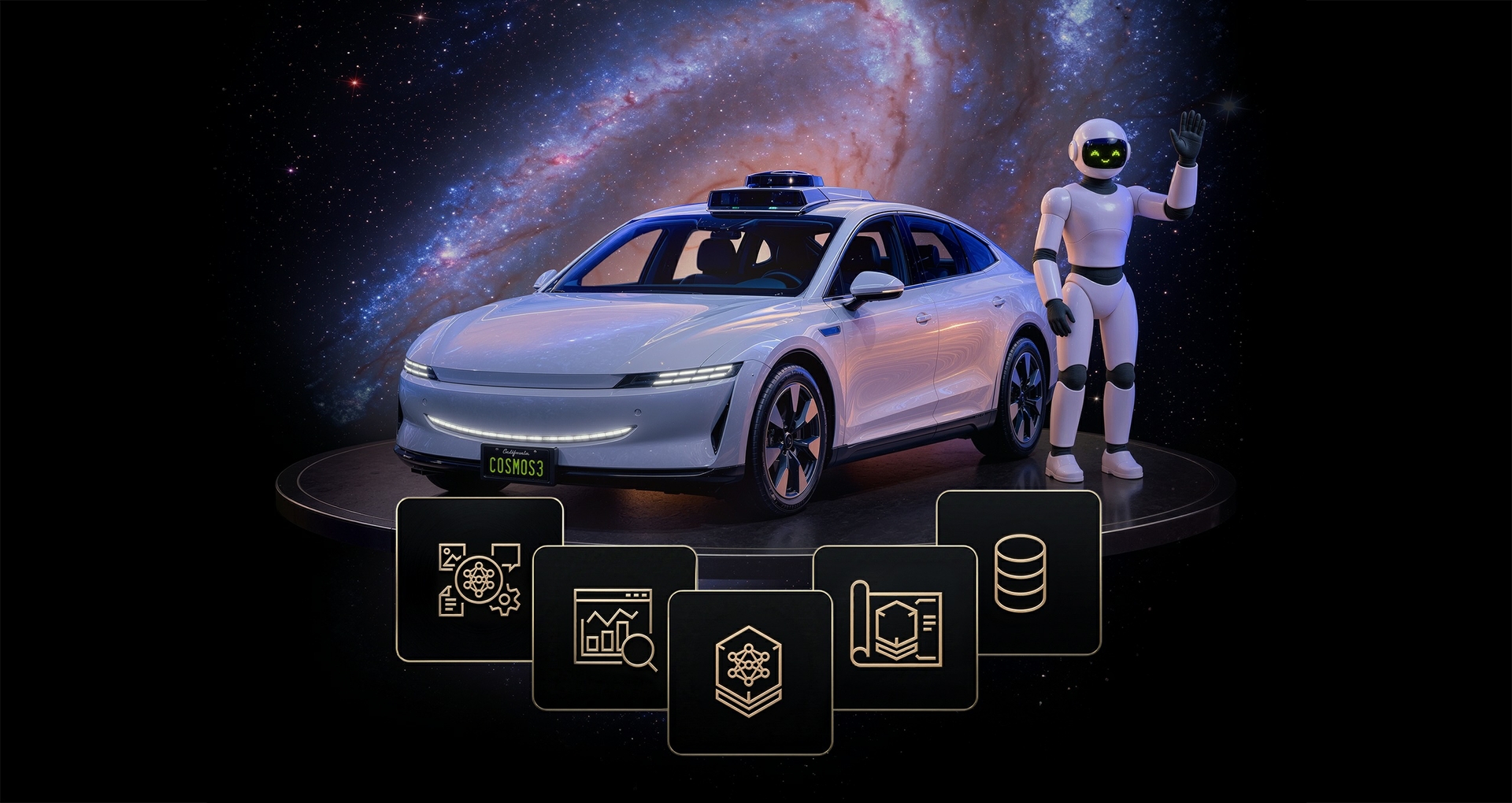
Launched earlier this week at Computex 2026, NVIDIA's Cosmos 3 is the first fully open "omnimodel" natively integrating vision reasoning, world generation, and action prediction in a single mixture-of-transformers architecture. Two variants are live on Hugging Face — Nano (8B+8B) and Super (32B+32B) — and NVIDIA has assembled a coalition including Runway and Skild AI to advance open world models for robotics. The race for the AI that teaches machines how the physical world actually works now has an open-source benchmark.
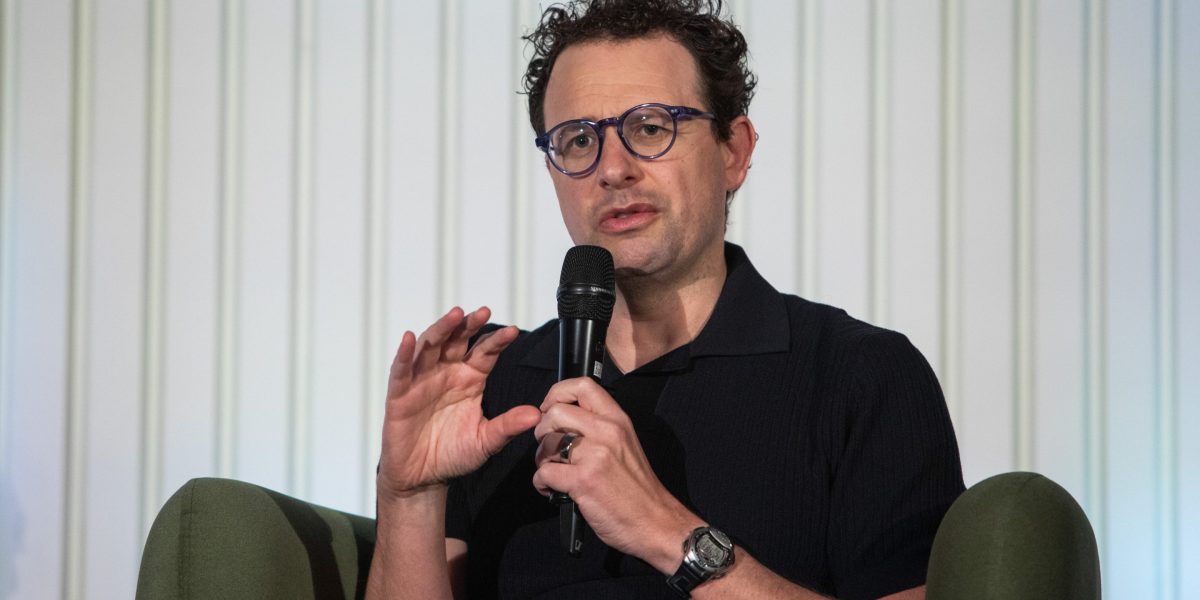
Brian Chesky announced today he's starting a new AI lab focused on user interaction and design, while staying on as Airbnb's CEO. He's in early fundraising stages, will not serve as the new venture's chief executive, and the details could still change. Chesky has long argued that AI for travel and commerce needs rich interfaces rather than chatbot text — now he's funding that thesis directly.
Announced yesterday, Anthropic launched the Services Track and Partner Hub of its Claude Partner Network — a three-tier system (Select, Preferred, Global Premier) for consulting and systems integration firms deploying Claude at enterprise scale. Over 40,000 firms have applied; 10,000 consultants have earned Claude certifications. The top tier requires 1,000 certified practitioners and 100 deployed customers across three or more regions. The professional services layer that implements AI at the Fortune 500 is formalizing — and that ecosystem tends to be very sticky.
Apple approved Poke — a startup enabling AI agents via text messaging — as the inaugural AI agent on its Messages for Business platform. The dollar value here is modest; the infrastructure implication is not. AI agents operating natively within Apple's messaging stack could quietly become one of the highest-reach AI touchpoints on the planet, and this is the first one through the gate.
Kevin O'Leary announced he's cutting a proposed 40,000-acre AI data center project in Utah by approximately 50% following state legislative pushback over land use and resource concerns. It's a small story by AI-industry standards, but it illustrates the real constraint: the physical infrastructure AI requires is running headlong into land, water, and energy limits that no benchmark score can optimize away.