Broadcom reported Q2 revenue of $22.19B, up 48% year-over-year, with AI semiconductor revenue alone hitting $10.8B — a 143% jump and a massive beat against estimates. The real shock was Q3 guidance: $29.4B in total revenue and $16B in AI semi revenue, implying 200%-plus growth, with management previewing FY2027 AI semi revenue exceeding $100B.
CrowdStrike posted Q1 FY27 revenue of $1.39B (+26% YoY) with EPS of $1.10 vs. $0.88 expected, record net new ARR of $256M (+32%), and free cash flow of $468M. The board approved a 4-for-1 stock split with a July 2 ex-date, and the company raised FY27 net new ARR growth guidance by 520 basis points at the midpoint — Jefferies and Oppenheimer had already moved targets to $775 and $750, respectively, ahead of the print.
Nvidia unveiled the RTX Spark superchip at Computex Taipei — a Blackwell GPU paired with the N1X processor — making a direct push into Windows AI PCs alongside Microsoft, Dell, HP, ASUS, Lenovo, and MSI. Vera Rubin AI rack-scale systems are simultaneously in full production, shipping to Anthropic, OpenAI, xAI, Oracle, and CoreWeave. Shares dipped 3.1% to $221.79 on June 4, likely profit-taking after the Computex run.
Arm Holdings gained 2.26% to $411.83 — its third straight session of gains — now up 259% year-to-date. The structural thesis: every major processor announced at Computex 2026, from Nvidia's RTX Spark to Intel's Xeon 6+, runs on ARM architecture, meaning ARM collects royalties regardless of which chipmaker wins individual design battles.
Palantir reported Q1 2026 revenue of $1.63B (+85% YoY) and raised full-year 2026 guidance to $7.65–$7.66B, implying roughly 71% annual growth. The stock trades in the $140–$152 range versus an analyst consensus target of $183.73, lagging the S&P 500 year-to-date as investors continue debating whether the premium multiple is justified.
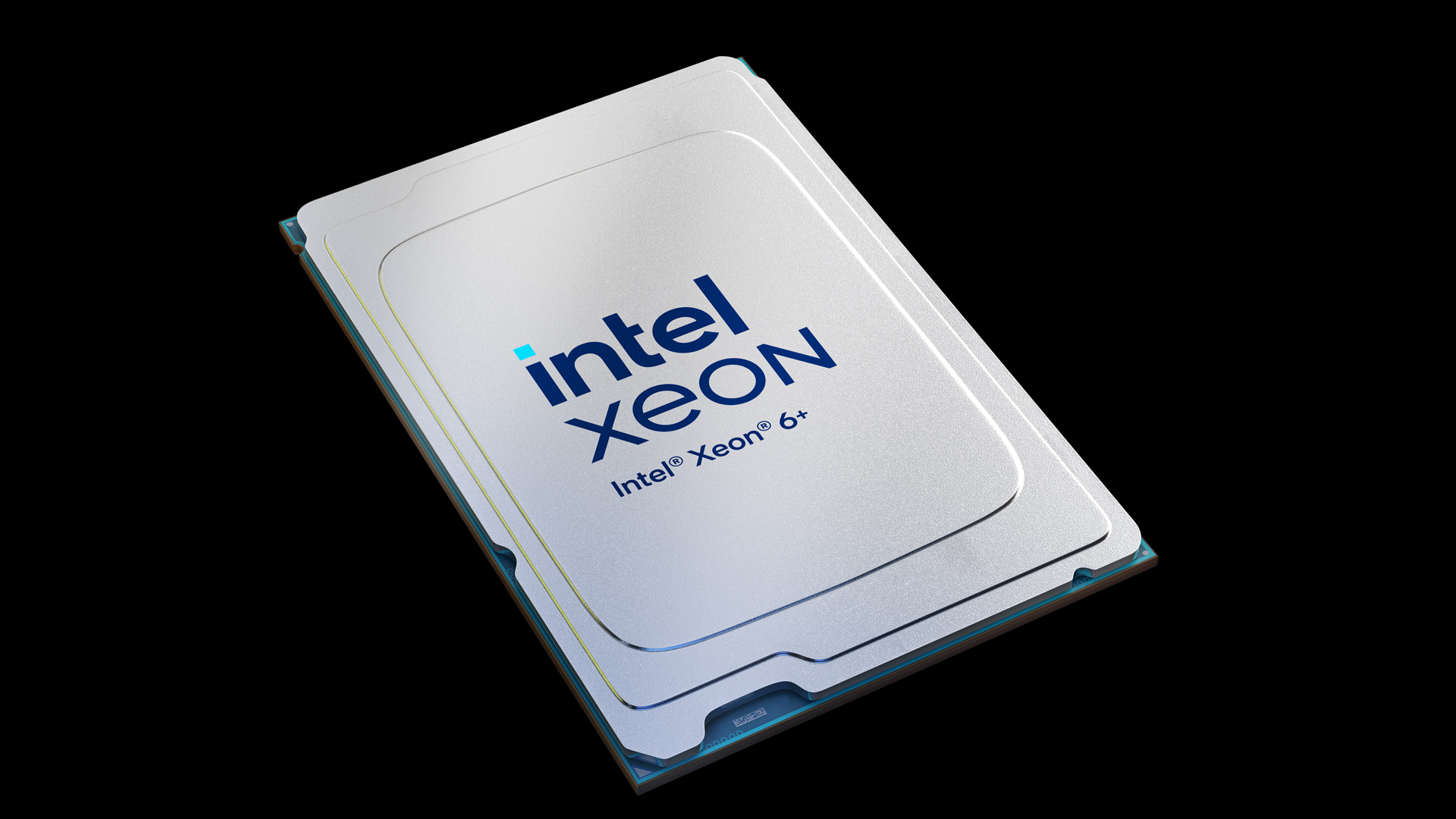
Intel jumped 4.4% after a standout Computex showing, unveiling Xeon 6+ processors built on Intel 18A for agentic AI inference and orchestration, plus a rack-scale AI infrastructure partnership with SambaNova. The move helped the SOXX semiconductor ETF gain 1.76% even as the broader market retreated, and pushed several formerly cautious analysts to upgrade Intel to Hold or Buy.
Goldman Sachs published a report projecting that Microsoft, Amazon, Alphabet, and Meta will collectively spend approximately $725B on capex in 2026 alone — a 77% increase from last year's record $410B — with cumulative AI infrastructure investment reaching $5.3 trillion. The report is widely cited across the street as the macro backbone for the semiconductor and cloud infrastructure bull thesis.
Microsoft switched GitHub Copilot from per-seat to usage-based pricing effective June 1, a structural signal that enterprise AI monetization will scale with intensity rather than headcount. FY2026 capex is forecast at $190B (+61% YoY), with Q3 2026 results showing EPS of $4.27 vs. $4.06 expected on revenue of $82.89B.
Micron Technology crossed the $1 trillion market cap threshold — surpassing JPMorgan Chase — after shares climbed roughly 1,000% over the past 12 months on surging AI memory demand. SanDisk has soared more than 600% year-to-date on the same dynamic, as AI workloads create supply shortages in memory and storage with no near-term relief in sight.
Meta's most recent quarter showed revenue up 33% year-over-year — its fastest growth in years — driven by AI-powered ad improvements including Reels monetization gains and better pricing optimization. The company's massive projected 2026 capex of $115–$135B is being absorbed without the margin erosion analysts feared, prompting a fresh round of upgrades in June.

 AI Stocks