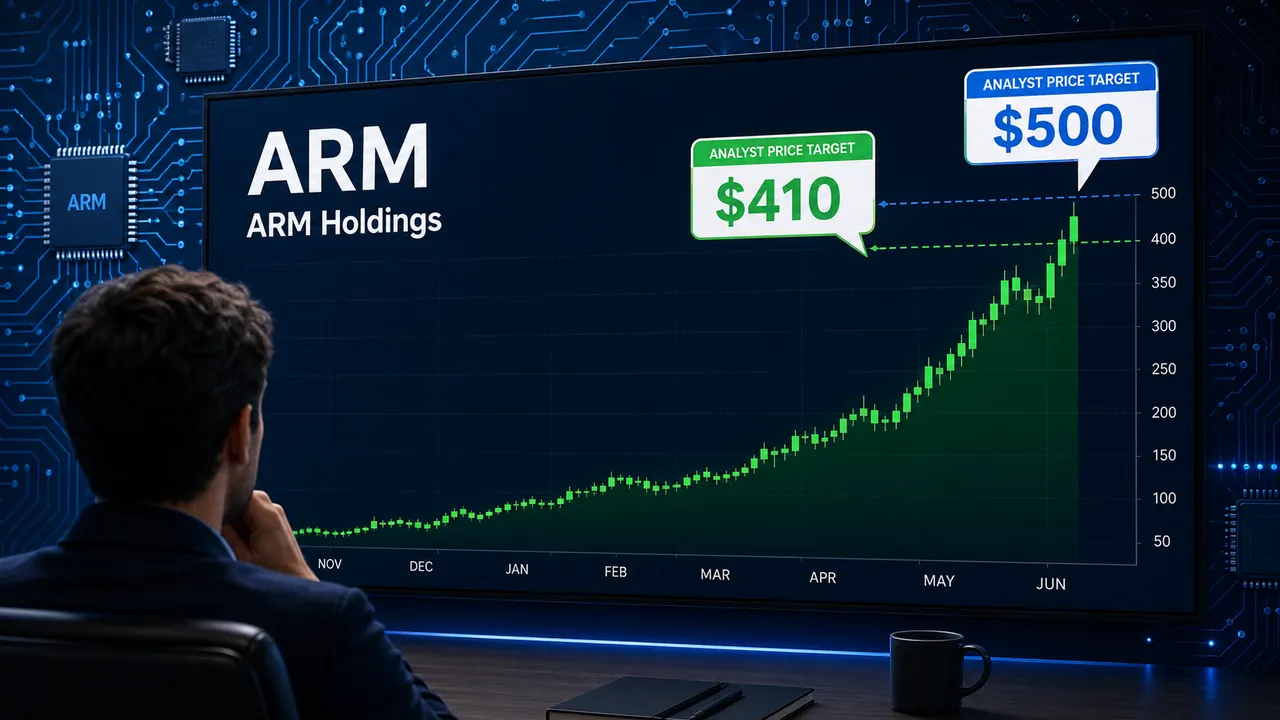
ARM Holdings surged over 12% on Friday, June 12, after Wells Fargo raised its price target from $255 to $410 (Overweight) and Mizuho lifted its target to $500 (Outperform), both citing agentic AI CPU demand as a structural growth driver. A new Super Micro Computer partnership puts ARM AGI processors inside energy-efficient AI servers claiming roughly 2x performance per rack, and Mizuho projects up to $15 billion in agentic AI CPU infrastructure revenue for ARM by 2031.
Oracle reported record Q4 FY2026 results on June 10 — revenue of $19.2 billion (up 21%), cloud infrastructure up 93%, and a remaining performance obligations backlog of $553 billion, up 325% year-over-year. Shares slid 8-10% on June 11 after the company announced plans to raise $40 billion in FY2027 via debt and equity sales to fund its data center expansion, triggering dilution concerns that overshadowed the record metrics.
Broadcom's Q2 FY2026 results showed total revenue up 48% and AI semiconductor revenue surging 143%, but shares fell roughly 15% after CEO Hock Tan held the full-year AI chip forecast at "more than $100 billion" rather than raising it, and announced a strategic pivot to a chips-only model — abandoning plans to offer complete integrated AI systems. The Board also named Amie Thuener as CFO effective June 12. Despite the selloff, Buy consensus holds across 26 analysts.
Nvidia's Q1 FY2027 earnings showed revenue of $81.6 billion (up 85% YoY) and a record $75.2 billion in data center revenue (up 92%). The company locked in $119 billion in supply commitments, authorized an $80 billion share repurchase program, and hiked its quarterly dividend 25x to $0.25 per share. The stock trades near $205, well below the Wall Street consensus target of approximately $303.
CrowdStrike reported Q1 FY2027 results on June 3 with revenue up 26% to $1.39 billion, record net new ARR of $256 million (up 32% YoY), and record free cash flow of $468 million. The company simultaneously announced a 4-for-1 stock split, with trading on a split-adjusted basis expected to begin July 2, 2026.
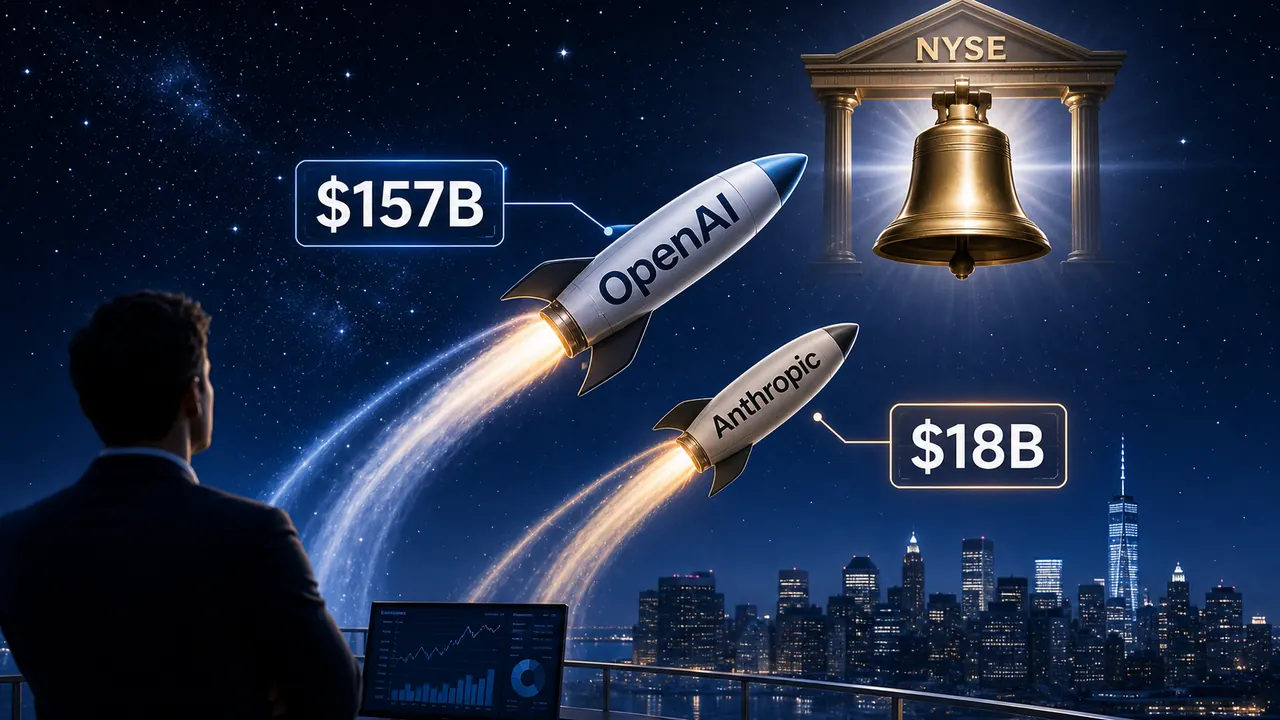
CNN reported on June 9 that OpenAI is targeting a Q4 2026 IPO in a race against Anthropic, which has reportedly crossed $44 billion in annualized run-rate revenue. OpenAI's ChatGPT has surpassed 900 million weekly active users. Either listing would establish the first U.S. market benchmark for pure-play AI model valuations and could trigger revaluations of AI proxy stocks including Microsoft and SoftBank, both of which hold significant stakes.
Snowflake jumped 38% on May 28 after Q1 FY2027 product revenue of $1.33 billion (up 34% YoY) beat estimates on both top and bottom lines. The company announced a $6 billion partnership with AWS to accelerate enterprise AI adoption, acquired AI startup Natoma, and raised full-year product revenue guidance to $5.84 billion — implying roughly 31% growth.
HPE surged as much as 48% on June 1 after fiscal Q2 2026 Cloud and AI revenue hit $7.7 billion, up 22.9%, driven by AI infrastructure demand including its new Nvidia Vera CPU-based ProLiant servers targeting agentic AI workloads. Management raised full-year EPS guidance by a full dollar and boosted revenue growth outlook to 29-33%, declaring the company two years ahead of its fiscal 2028 long-term plan.
IonQ reported Q1 2026 revenue of $64.7 million, exceeding its own internal guidance midpoint by 30%, and raised full-year revenue guidance to $260-270 million. The stock is up more than 60% year to date as institutional investors increasingly view quantum computing as a complementary layer to classical AI infrastructure.
The EU AI Act's requirements for high-risk systems — covering employment, healthcare, financial services, law enforcement, and more — take full effect August 2, 2026. In the U.S., Colorado's Consumer AI Protections Act takes effect June 30. A federal preemption bill, the Great American AI Act, was introduced June 4 but has not passed committee, leaving AI software companies navigating overlapping and conflicting compliance deadlines with no federal safe harbor.

 AI Stocks