Oracle reported Q4 FY2026 revenue of $19.2B, up 21% year-over-year, with cloud infrastructure surging 93% and $67B in new AI infrastructure contracts signed in the quarter. Remaining Performance Obligations hit $638B — up 363% — and FY2027 revenue guidance was raised to $90B. Shares dipped in after-hours on plans to raise ~$40B in debt and equity, but pre-market this morning Nvidia, AMD, Dell, and Super Micro are rallying on the read-through demand signal.
Alphabet placed an order for more than 3 million Tensor Processing Units from Intel for delivery by 2028 — Intel's biggest foundry win in years. Intel surged 11.19% on June 9, the largest single-session move in the S&P 500 that day, dragging AMD up 5.14% alongside it. The deal directly challenges the narrative that Intel has permanently ceded AI chip ground to Nvidia.
Adobe reports Q2 FY2026 results tonight with the Street expecting $5.81 non-GAAP EPS on $6.45B revenue. The stock is down roughly 30% year-to-date after Anthropic's Claude Design launch in April fueled fears of AI disruption to its creative software franchise. The key variable is net new Digital Media ARR, which disappointed in Q1; a $25B buyback provides some floor support.
Broadcom's fiscal Q2 earnings beat on revenue and non-GAAP EPS, but Q3 AI chip sales guidance of $16B missed the $17.2B consensus estimate and the company declined to raise its full-year AI semiconductor forecast. That single guidance shortfall was the primary catalyst for the June 5 chip selloff that sent AMD down 10.86%, Intel down 11.28%, and ARM down 4%.
AMD's Q1 2026 results were strong — total revenue $10.3B up 38% year-over-year, with data center at $5.8B now more than half of total sales and up 57%. Despite those fundamentals, AMD was one of the hardest-hit names in the June 5 chip selloff, falling 10.86% on Broadcom contagion. Shares have bounced in pre-market on the Oracle and Intel-Google tailwind.
Micron touched an all-time high of $1,089.29 before the sector selloff took roughly 14% off shares over five sessions. Goldman Sachs analyst James Schneider raised his price target to $900 from $400 ahead of Micron's June 24 earnings. The Motley Fool flagged Micron as the top-performing AI stock of 2026, outpacing Nvidia year-to-date.
Google agreed to rent 110,000 Nvidia GPUs along with CPUs and memory from SpaceX, paying $920M per month from October 2026 through June 2029 — a total commitment north of $30B. The deal underscores hyperscaler urgency to secure AI compute capacity through any available channel while data center buildouts continue to lag demand.
The European Commission issued an enforcement order requiring Meta to restore free WhatsApp Business API access for rival AI chatbots within five working days, pending a full DMA investigation. Meta banned third-party AI assistants from the platform in December 2025 and later imposed fees the EC called prohibitively expensive. Meta says it will appeal, calling the action regulatory overreach.
Microsoft is cutting jobs in its Azure cloud unit in China as U.S.-China data regulation friction escalates, and separately has restricted employees from using Anthropic's newly launched Claude Fable 5 due to the model's 30-day data retention policy. Neither move is likely to be material to near-term financials, but both signal tightening enterprise AI governance even inside the most AI-committed company on the planet.
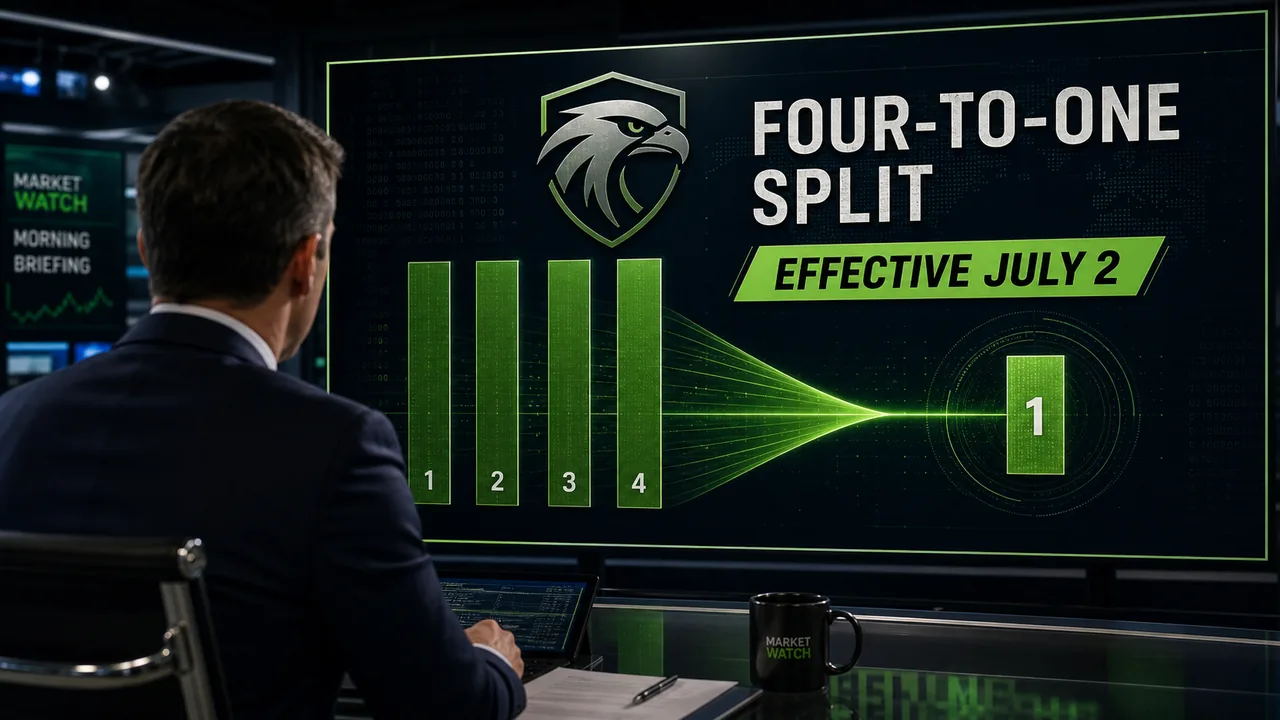
CrowdStrike announced a 4-for-1 stock split effective July 2, 2026, with shares trading in the $617–$664 range. Splits improve retail accessibility and are typically read as a management confidence signal; CrowdStrike's Falcon Flex platform continues to drive rising annual recurring revenue, keeping the underlying growth story intact.

 AI Stocks