Relevance 9/10Importance 7/10
Intuned is a YC-backed platform whose AI agent — built on the Claude Agent SDK — writes Playwright automation code, deploys it, and self-heals it when target websites change. The rebuilt agent operates open-endedly rather than through rigid pipelines, capturing full run context so it can actually debug failures rather than guess at fixes. A free tier and a Web Task API are available today.
Relevance 7/10Importance 8/10
Troy Hunt marks loading the 1,000th breach into Have I Been Pwned by documenting a troubling trend: despite GDPR and CCPA, companies are taking longer than ever to notify victims. Recent examples include Carnival (43-day delay) and Zara (45-day delay) — both ShinyHunters extortion targets whose stolen data spread publicly for weeks before notifications went out. Hunt suspects legal and litigation posture is increasingly driving the delay, calling it "a litigation posture, not a customer-protection posture."
Relevance 6/10Importance 7/10
Developer Ivan German coins the term "dopamine fracking" for the process of pumping massive optimization resources into a nuanced activity to extract the most concentrated engagement hit possible — destroying complexity and meaning along the way. Like synthetic strawberry flavoring erasing real strawberries, algorithmic optimization is homogenizing culture, hobbies, and online life into a single shared experience. The post has 576 upvotes and nearly 300 comments, generating exactly the kind of slow, thoughtful discussion it argues has been algorithmically crowded out.
Relevance 5/10Importance 7/10
A BBC WorkLife investigation into how social media platforms have algorithmically replaced the social graph with recommendation-driven fad content, prioritizing viral engagement over what your actual friends are doing. The piece examines how AI-driven recommendation engines have structurally changed the premise of platforms built on the social graph. It lands as a structural complement to the Dopamine Fracking essay also on today's front page.
Relevance 3/10Importance 8/10
Researchers Reese Richardson and Sholto David have catalogued over 100 potentially manipulated Western blot images in Thermo Fisher Scientific's antibody verification catalog, including dozens of products sharing identical background noise patterns with only the band position changed. Antibodies run $400–$500 per vial and scientists rely on this verification data when making purchasing decisions, making unreliable data a direct driver of irreproducible biomedical research. Thermo Fisher issued a 15-point response acknowledging images "may have been adjusted for clarity" — stopping short of admitting fabrication.
Relevance 5/10Importance 5/10
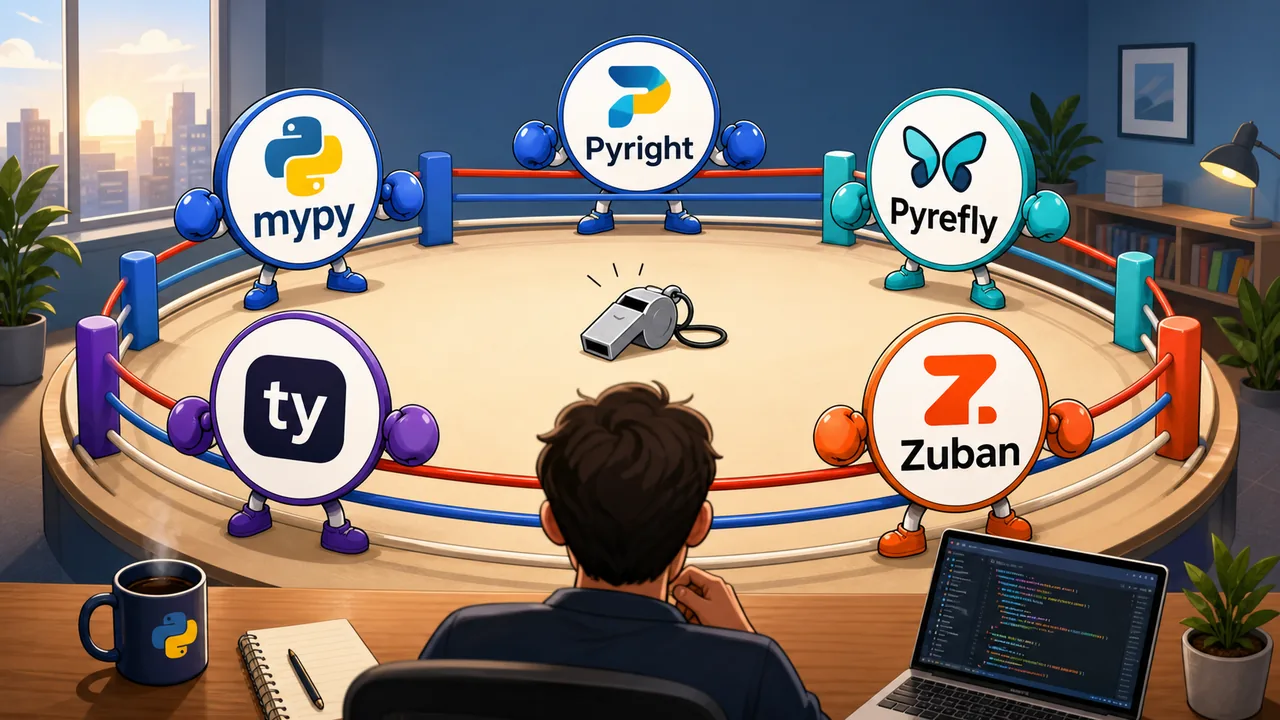
With mypy, Pyrefly, Pyright, ty, and Zuban all competing in the Python type-checking space, the Pyrefly blog argues library maintainers have their priorities backwards: run all the type-checkers against your test suite (not your internal source), because that is what users actually care about. A case study using the Polars dataframe library shows that while type-checkers disagree on implementation internals, they all agree on the public API — the only thing that matters to downstream developers.
Relevance 5/10Importance 3/10
A Show HN submission presenting Performative-UI, a React component library cataloguing the visual clichés that have become de facto law in AI-native web app design — the glassmorphism panels, gradient hero sections, and glowing orbs that signal "this is an AI product." It reads as both a satirical field guide and a practical component library for developers who want to ship AI-aesthetic UIs fast. HN comments are enjoying the self-aware critique from within the ecosystem.
Relevance 3/10Importance 3/10
A clean, minimal website offering a curated shelf of public-domain cypherpunk classics — A Cypherpunk's Manifesto, The Crypto Anarchist Manifesto, Why I Wrote PGP, The Conscience of a Hacker, and more. Nothing for sale, nothing to take down, the entire collection public domain end to end. HN is responding with a wave of nostalgia from people who first encountered these texts in raw .txt files and who see this as a quiet act of archivism.
Relevance 2/10Importance 3/10
A new GitHub-hosted learning resource structured as 40 annotated examples progressing from Hello World through comptime, generics, memory allocation, and C interoperability — modeled directly on the beloved Go by Example. Targets Zig version 0.14 and is already drawing strong community engagement, filling a real gap in approachable on-ramps for a language that has been gaining serious momentum in systems programming circles.
Relevance 2/10Importance 3/10
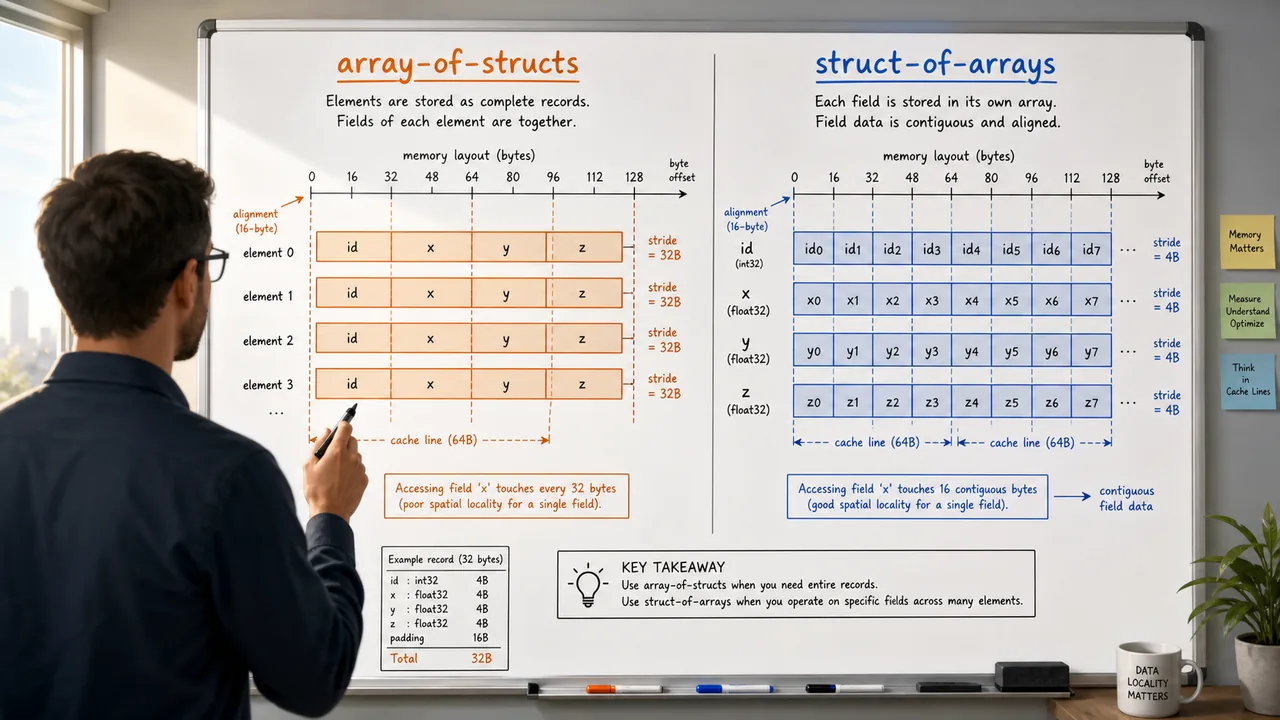
A technical deep-dive on how Zig's comptime reflection enables MultiArrayList, which stores struct data in struct-of-arrays layout for better cache performance — the kind of data-oriented design pattern usually associated with game engines and compilers. The author shows this type-level manipulation is "just" compile-time execution, not a separate language layer, and demonstrates meaningful memory savings in practice. It resurfaced today alongside Zig by Example, suggesting a minor Zig moment on the front page.

 HN Briefing AM