Relevance 10/10Importance 9/10
For Claude Fable 5 and Mythos 5 on AWS Bedrock, Anthropic now mandates a 30-day data retention window — and when enabled, your prompts and completions leave AWS's security boundary for Anthropic's trust and safety analysis. The policy cannot be configured through the console; it requires a programmatic call to the Data Retention API. For enterprises with strict data residency requirements, this is the cloud policy change you did not want to see quietly land on a Tuesday.
Relevance 9/10Importance 7/10
Meta quietly retired Papers with Code in July 2025, stranding the ML community without its benchmark leaderboards and code-linked research catalog. The revival at paperswithcode.co is led by Hugging Face's Niels Rogge with Meta AI and the original founders, rebuilt using AI agents that parse papers at scale with human verification. The new site adds visual research trend tracking, automatic paper discovery, and specialized feeds for Agents, Robotics, World Models, and more.
Relevance 7/10Importance 8/10
Apple has documented a Container Machines feature that spins up lightweight, persistent Linux environments on macOS, sharing your home directory and running real systemd services across multiple distros simultaneously. Developers can edit on the Mac and build inside Linux, then use native macOS tooling to inspect the artifacts — no file copying between systems required. It bridges the macOS development workflow with Linux-only deployment requirements via OCI-based persistent environments, and landed just under a thousand points on HN.
Relevance 8/10Importance 6/10
PgDog is an open-source PostgreSQL connection pooler and horizontal sharding proxy that lets you scale Postgres without rewriting your application. The project raised $5.5M from Y Combinator and Basis Set, and already processes over two million queries per second across production deployments. The founding team built this from hard experience scaling Postgres at Instacart, with an enterprise AWS edition in the roadmap.
Relevance 3/10Importance 7/10
Mercedes-Benz has launched full-scale production of an axial flux electric motor at its historic Berlin-Marienfelde plant, with the design making its commercial debut in the all-electric Mercedes-AMG GT 4-Door Coupe. The technology — from YASA, a British specialist MB acquired in 2021 — sandwiches a stator between two rotors in a disc layout, achieving higher power density than conventional radial flux motors in a more compact footprint. The facility spans 30,000 square meters, 35 process steps are entirely new worldwide, and over 30 patent applications were filed to get there.
Relevance 5/10Importance 4/10
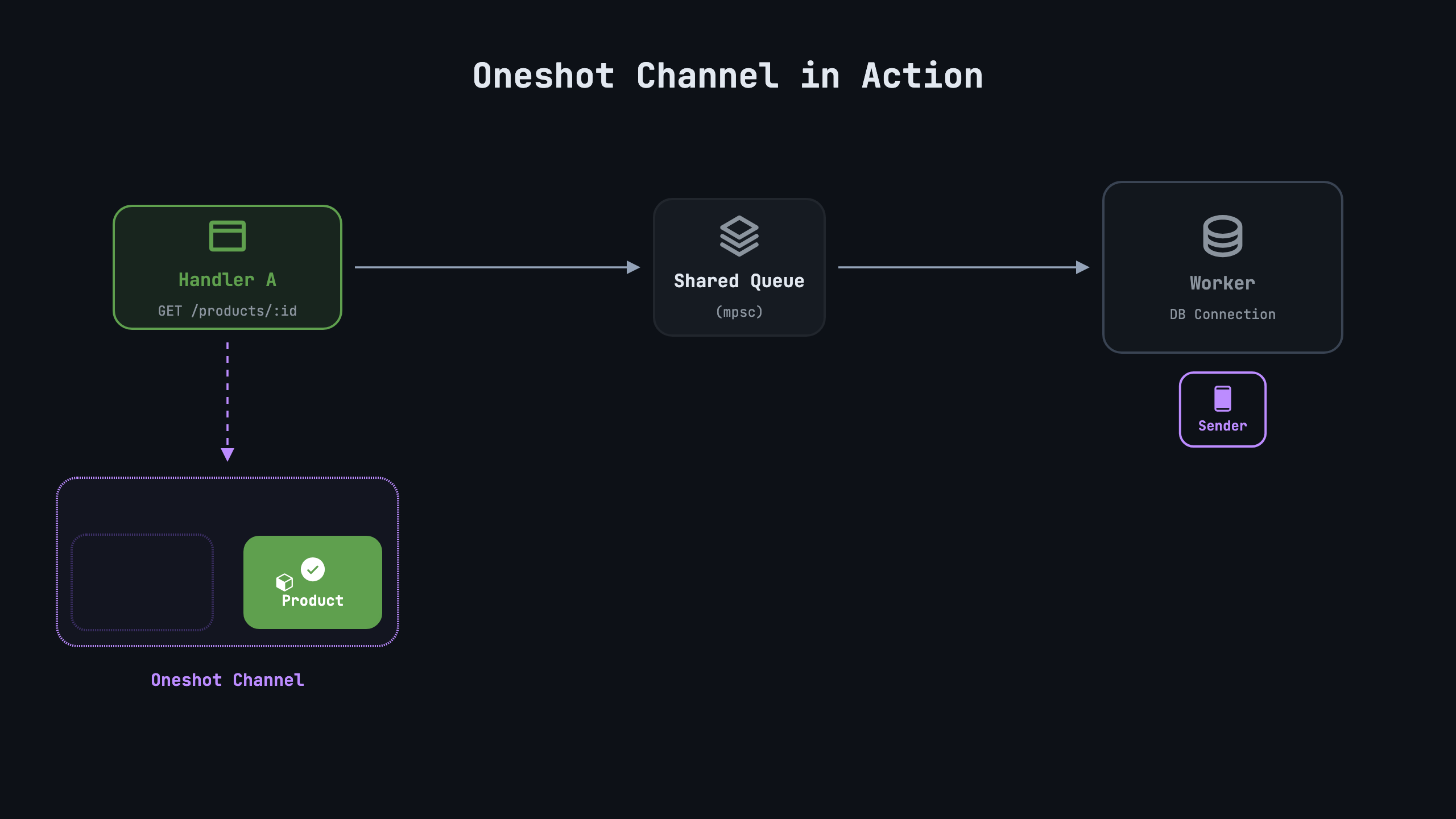
This tutorial teaches async Rust by having you build your own runtime from scratch — polling, wakers, and a block_on runner — before touching Tokio. The key insight is that Rust ships no built-in runtime, and the author makes the poll-park-wake loop concrete by constructing a working oneshot channel from first principles. Once you understand the machinery at this level, production runtimes stop feeling like magic.
Relevance 4/10Importance 5/10
A developer rebuilt a JS-heavy React form into an HTML-first Astro implementation and user completion rates doubled the next day. The reason: making the form work without JavaScript, on slow connections, and in outdated browsers captured a whole class of users who had been silently bouncing before. The article frames progressive enhancement not as accessibility charity but as basic engineering maturity.
Relevance 2/10Importance 3/10
This interactive visualization maps 154 years of Japanese railway expansion, animating the opening of 9,321 stations from 1872 to today across a topographic map with kanji station names. The animation reveals a massive burst of growth between 1900 and 1930 as private railways raced to connect every valley and suburb. Station labels overlay natural geography — mountains, rivers, coastlines — making it simultaneously a history and geography lesson.
Relevance 2/10Importance 3/10
Switzerland's SBB national railway runs an official online resale shop where anyone — other rail operators, municipalities, craftsmen, or collectors — can purchase retired locomotives, track sections, switches, and infrastructure components. The initiative has been operating since 2019 as part of SBB's circular economy commitment, ensuring equipment gets a second life rather than being scrapped. Yes, you can actually buy a bridge.
Relevance 2/10Importance 2/10
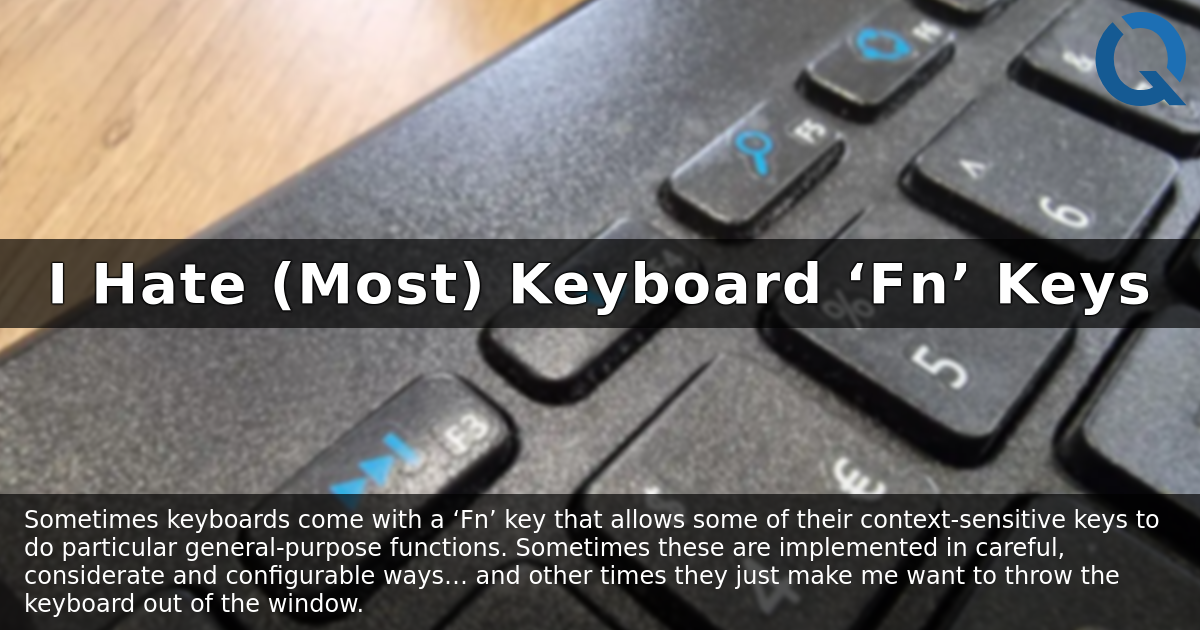
The author argues that keyboards get function key design wrong when high-impact secondary actions — like sleep or display-off — become the default Fn behavior rather than the secondary. Good design keeps traditional F-key functions as defaults and reserves Fn secondaries for low-impact, quickly reversible operations that don't reset unexpectedly between sessions. The WASD Code and Keychron K10 are cited as examples that actually get the balance right.

 HN Briefing AM