Relevance 7/10Importance 8/10
Go 1.27 lands with generic methods, a stable JSON v2 implementation, a built-in uuid package, and post-quantum cryptography via ML-DSA signatures. The release also delivers size-specialized memory allocation and experimental portable SIMD for vector operations. VictoriaMetrics put together an interactive walkthrough that's pulled in 283 points and 131 comments, reflecting how much the Go community was waiting for this one.
Relevance 8/10Importance 6/10
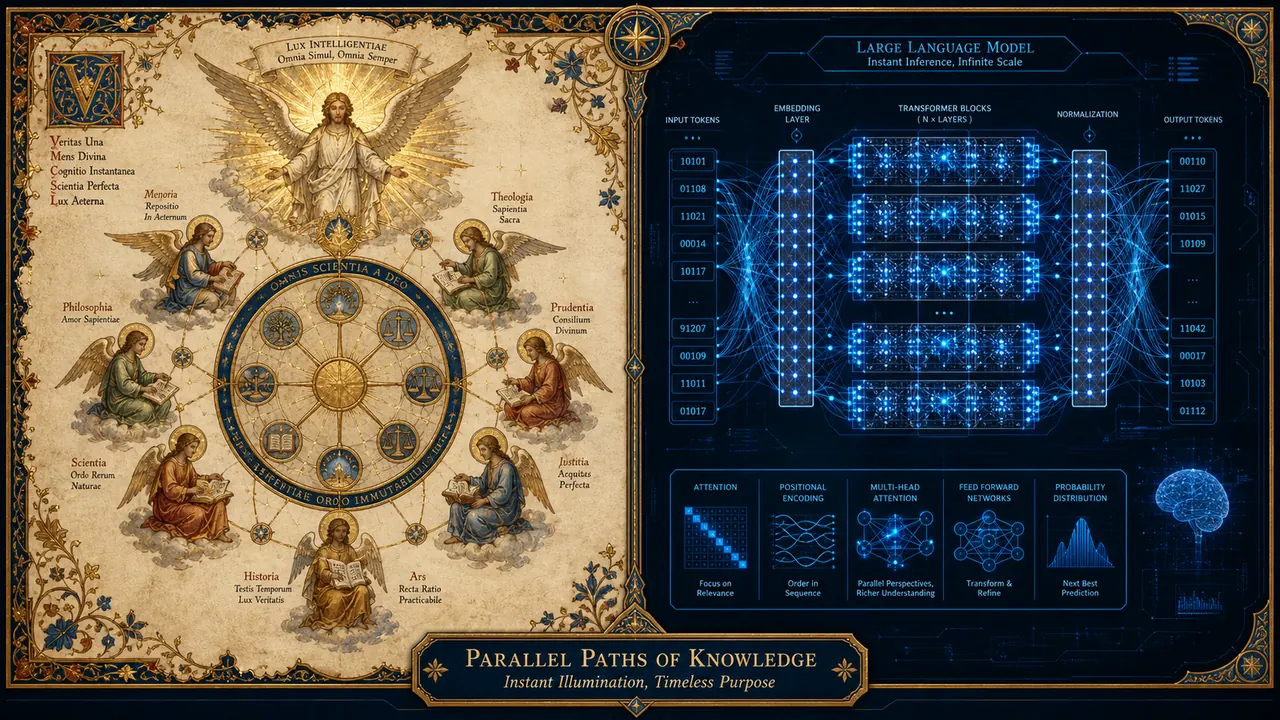
The Public Domain Review draws a direct line between the Ars Notoria — a medieval grimoire promising instant, perfect mastery of all arts and sciences through angelic invocation and mystical diagrams — and modern AI's promise to bypass the hard work of learning. The essay reframes a very contemporary anxiety through a very old lens, suggesting our desire for effortless knowledge has never actually gone away. It's the kind of historically grounded take on the AI hype cycle that HN loves.
Relevance 5/10Importance 6/10
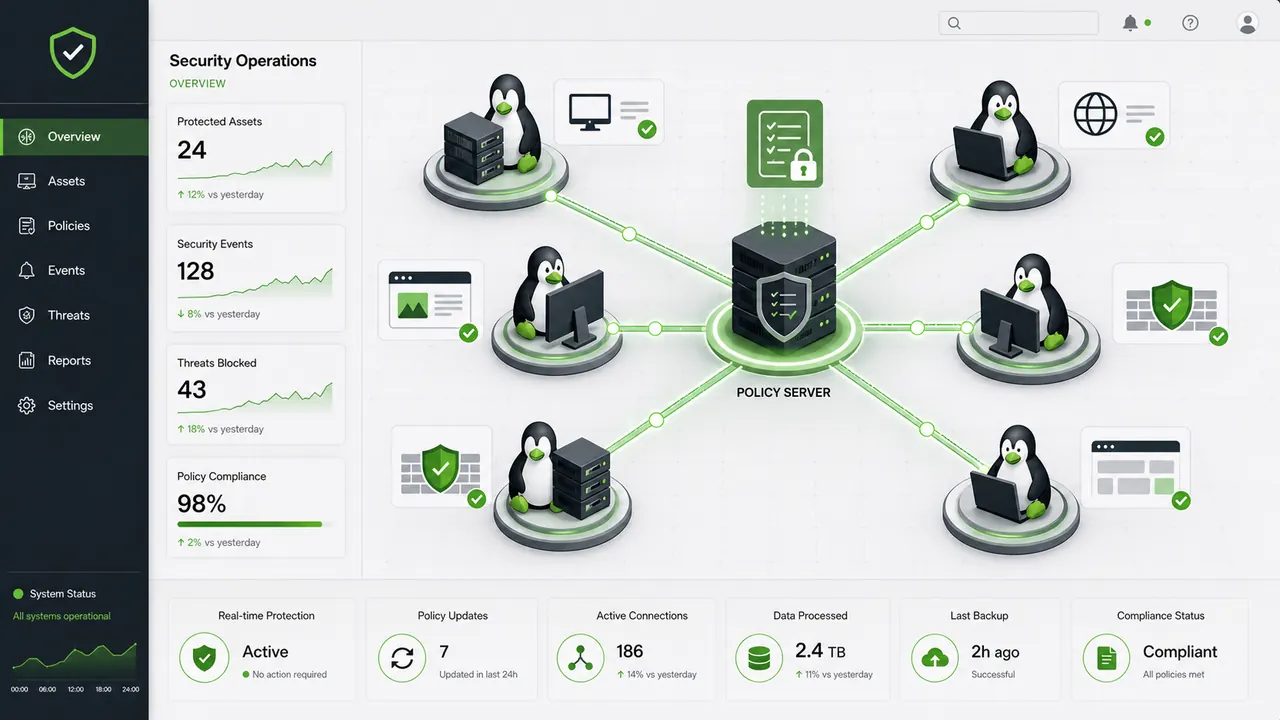
Bor is a Go-based centralized management system for Linux desktops, pushing policies to enrolled machines in real time over mTLS/gRPC with no polling. Version 0.8 adds Thunderbird, Microsoft Edge for Business, and FirewallD zone policies alongside a fully redesigned React 19.2 web interface with per-action RBAC and server-side pagination for large fleets. It's a serious open-source alternative for organizations that need enterprise-grade fleet management on Linux.
Relevance 5/10Importance 6/10
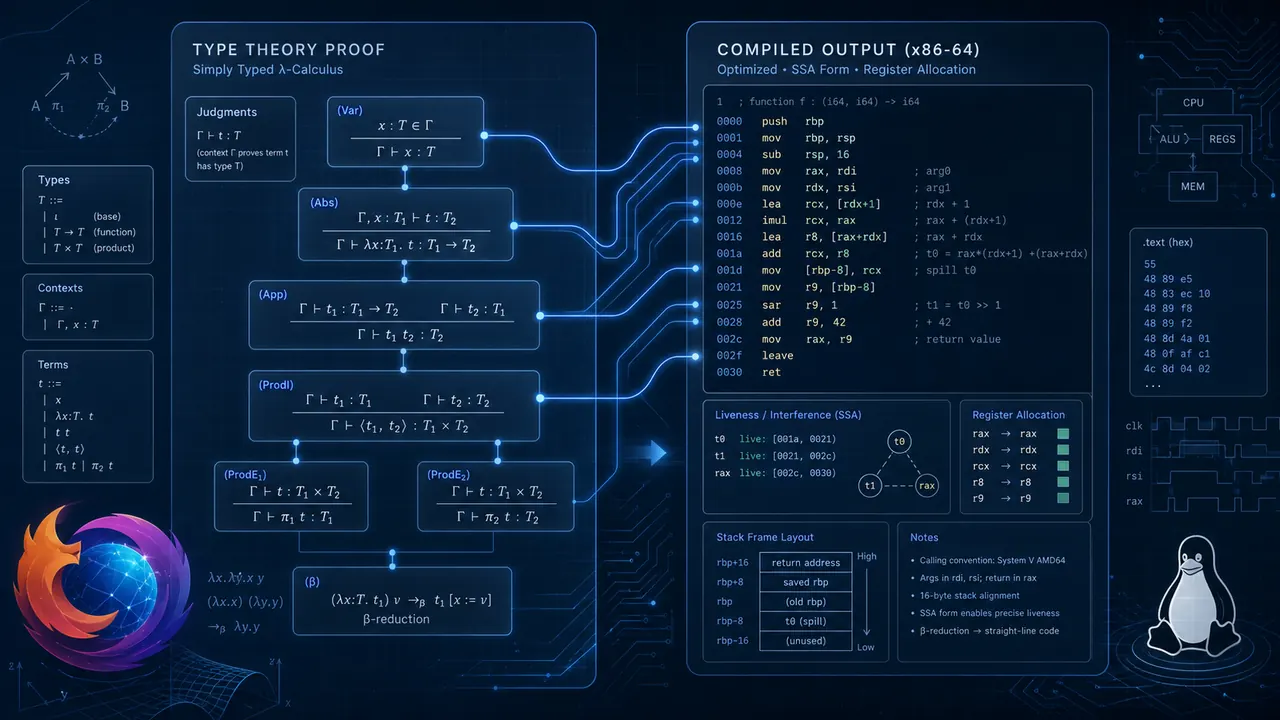
F* combines dependent types with SMT-based proof automation and interactive theorem proving, letting developers write code and formally verify its correctness in the same language. It compiles to OCaml, F#, C, WebAssembly, and assembly, and verified crypto libraries built with it are deployed in Firefox and the Linux kernel. It's a rare example of formal verification actually shipping in software that hundreds of millions of people use every day.
Relevance 4/10Importance 6/10
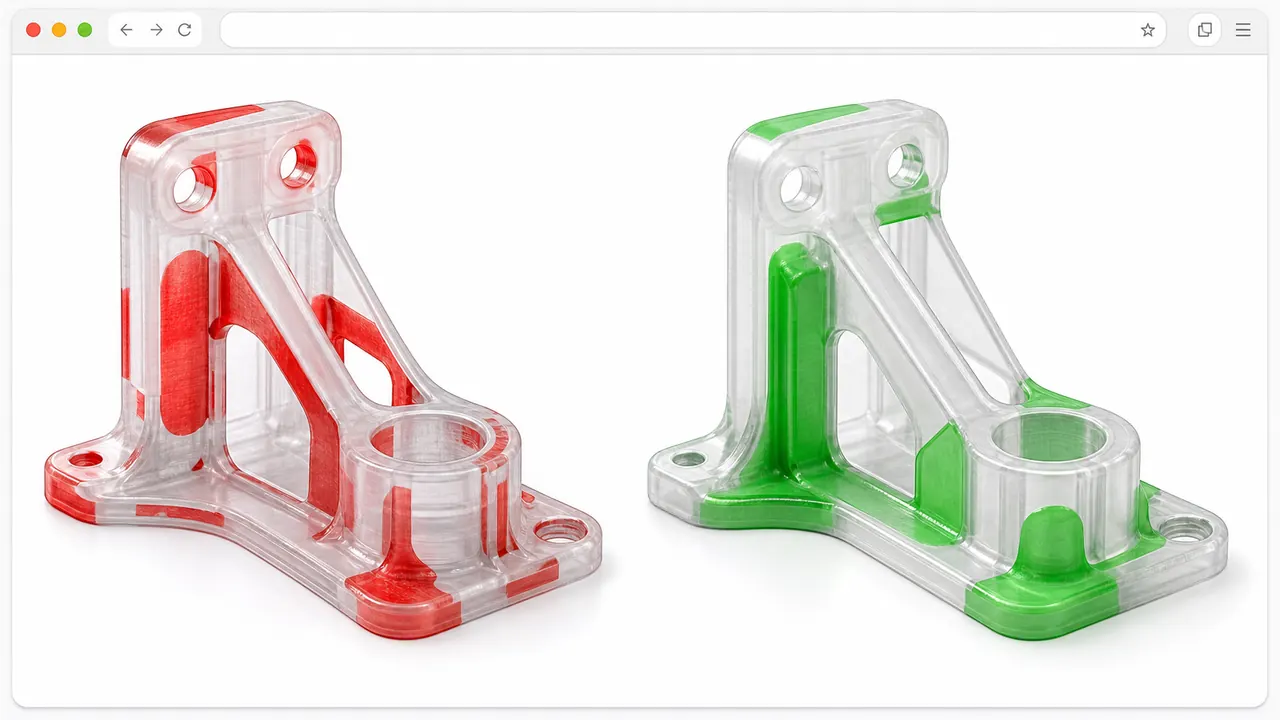
Meshdiff lets you drop two versions of a 3D model — STL, 3MF, or OBJ — into a browser tab and instantly see exactly what changed: added material, removed material, dimensional drift. Everything processes client-side, so files never leave your machine. For anyone doing iterative 3D print design, this is the diff tool that should have existed years ago.
Relevance 4/10Importance 4/10
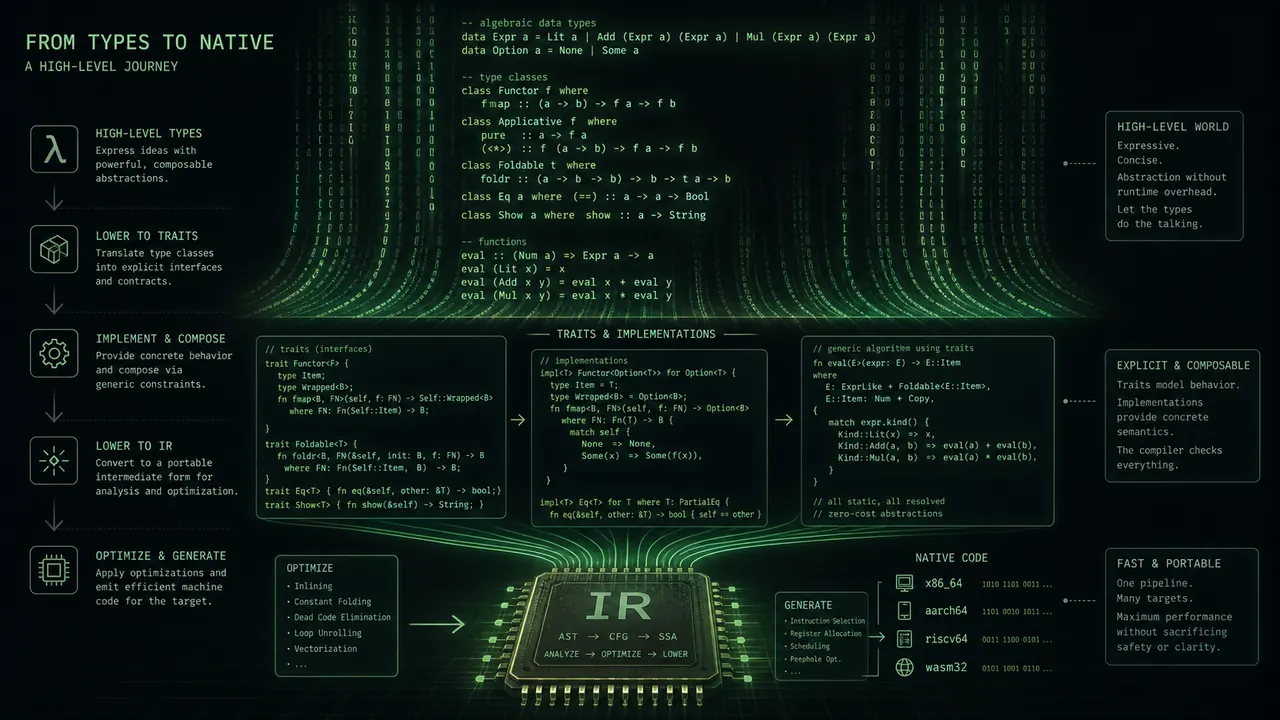
Fuse is a five-year passion project: a purely functional, statically typed language with Rust-inspired syntax that compiles to native code via GRIN whole-program optimization and LLVM. It supports algebraic data types, higher-kinded types, traits, bidirectional type inference, and pattern matching — all without mutations. The creator started from a System F base and extended upward, drawing inspiration from Rust, Haskell, and Scala.
Relevance 1/10Importance 4/10
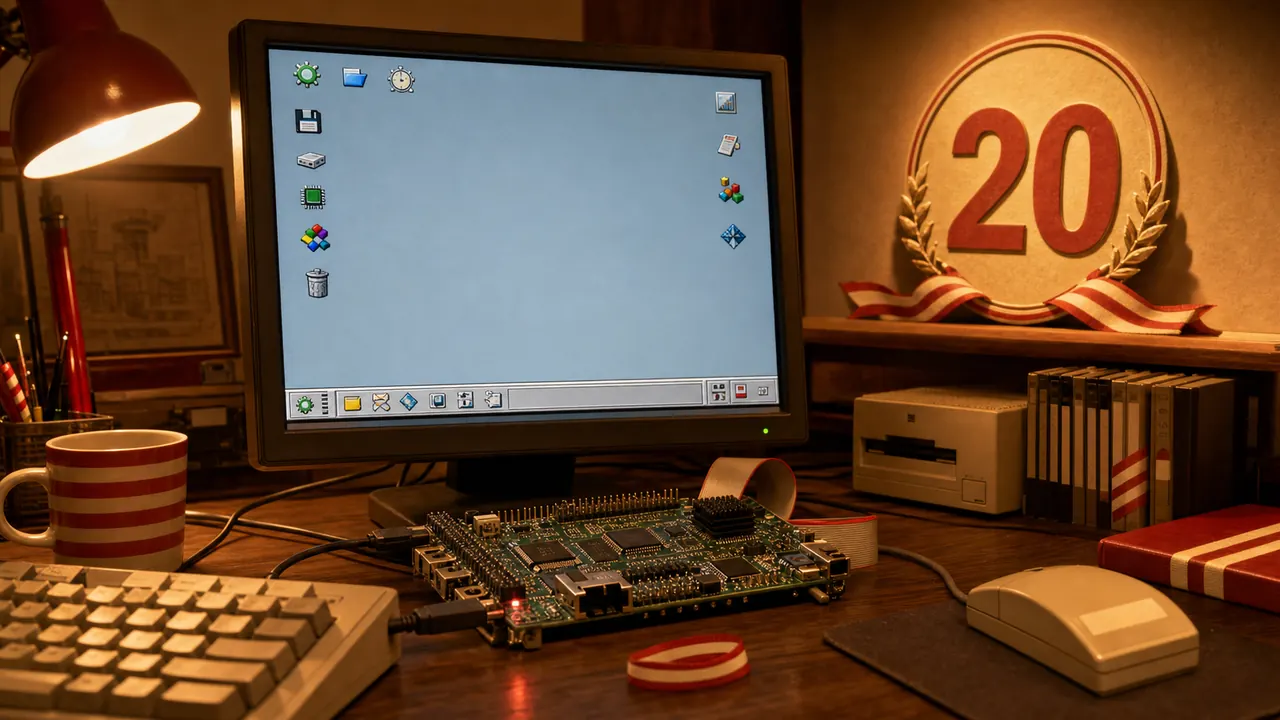
RISC OS Open Limited is celebrating two decades of community-driven development on the original ARM operating system first built by Acorn Computers in the 1980s. The project has kept RISC OS alive as open-source software since 2006, long after the commercial versions faded. It's a testament to how passionate communities sustain niche but historically significant platforms well past any commercial rationale.
Relevance 1/10Importance 3/10
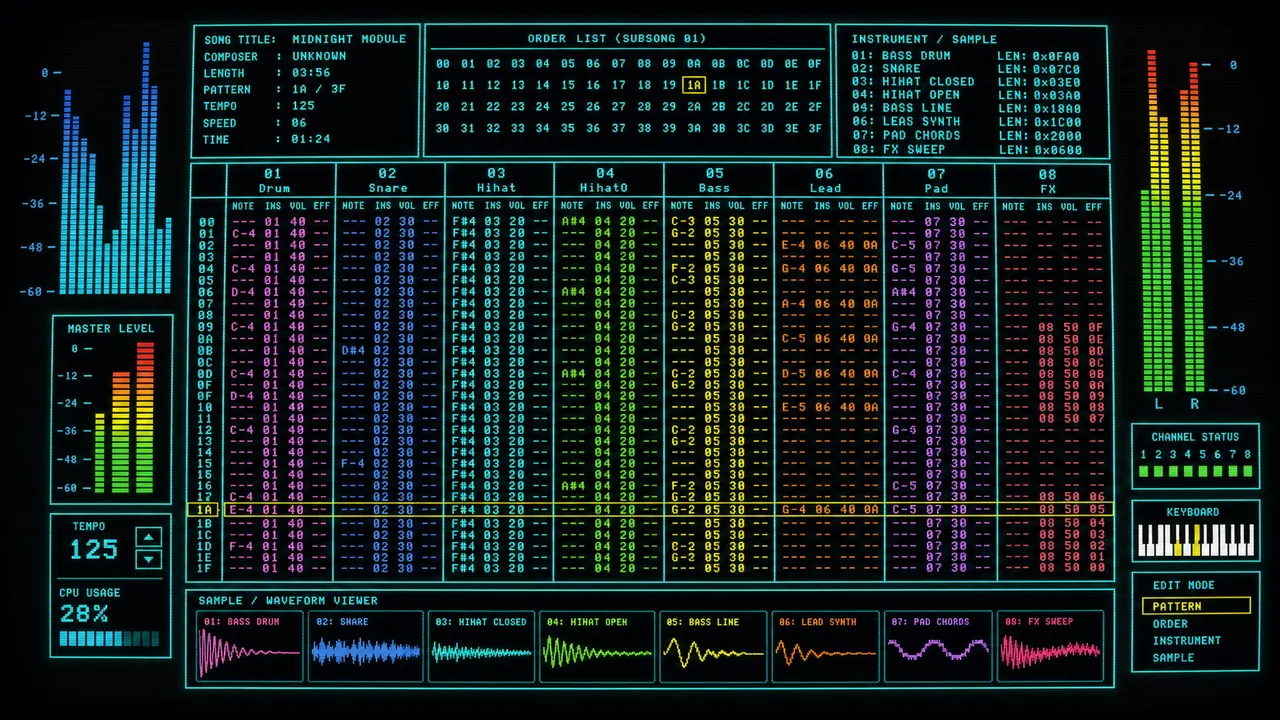
This is a faithful, cross-platform recreation of Fasttracker II, the iconic DOS-era music tracker that defined chip music and the demo scene in the 1990s, built in C using SDL 2. It runs on Windows, macOS, and Linux and preserves the original's interface and workflow in precise detail. The tracker community keeps projects like this alive with quiet, dedicated enthusiasm.
Relevance 2/10Importance 2/10
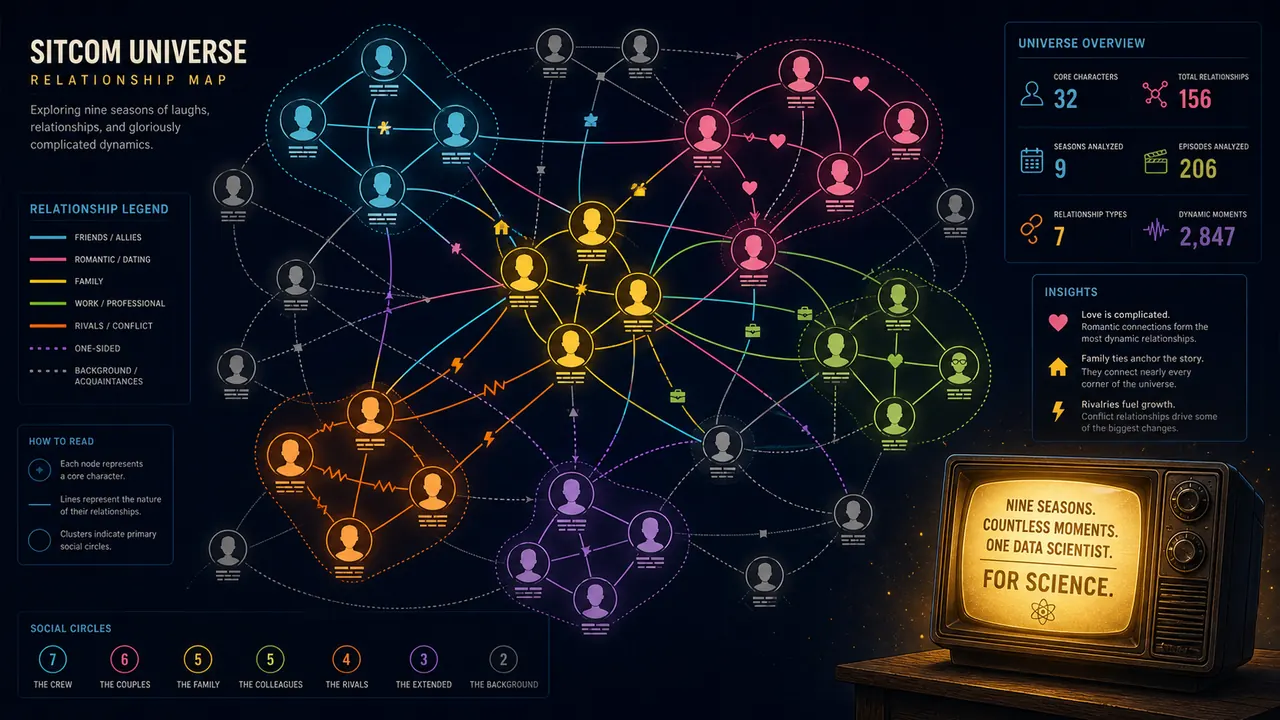
Andy Kirk's Seinfeld Chronicles is an interactive data visualization of all 176 episodes, analyzing how character pairings, locations, and scene timing created the show's comedic magic. Originally a limited-edition book published in 2020, this digital edition makes the full analysis explorable and interactive. Kirk treats the show like music, examining rhythm and texture through data to explain why Seinfeld worked.
Relevance 1/10Importance 2/10
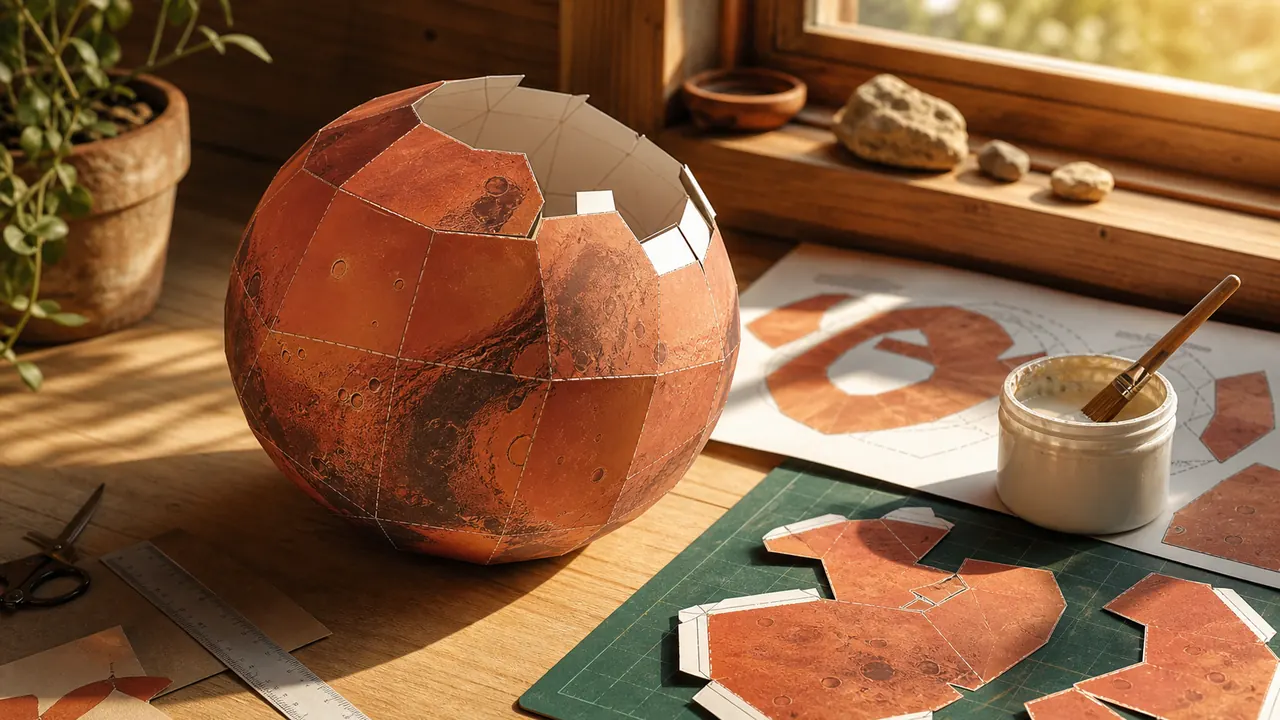
Folding Globes offers free, print-ready templates for assembling your own paper globes of Earth, the Moon, Mars, and other solar system bodies, plus data-driven versions showing earthquake zones, volcanoes, and time zones. All templates are built from open-licensed data including Natural Earth and are customizable through an online globe builder tool. It's a charming, hands-on way to engage with geographic and planetary data.

 HN Briefing AM