Relevance 10/10Importance 10/10
Senior Anthropic leaders sat down with Trump administration officials Monday over the Commerce Department order pulling Fable 5 and Mythos 5 from every foreign national worldwide — and walked away without a resolution, both sides saying only that they hope to fix it quickly. New reporting pins the trigger on three words, "fix this code," that Amazon researchers used to coax restricted cyberattack detail out of the model, while security veteran Katie Moussouris has published an open letter challenging the government's reasoning. It's fast becoming the template for how Washington can reach into a deployed commercial model on national-security grounds.
Relevance 9/10Importance 8/10
OpenAI chief scientist Jakub Pachocki described the still-unreleased GPT-5.6 as a meaningful improvement over GPT-5.5, and the market is betting it ships imminently — Polymarket traders now put roughly 83 percent odds on a launch between June 22 and 28. OpenAI hasn't set an official date, but the chief scientist going on record is the strongest signal yet that the next frontier model is days, not weeks, away. It lands just as Anthropic's flagship sits sidelined, leaving an unusually open competitive window.
Relevance 9/10Importance 8/10
Germany's NEURA Robotics announced a Series C of up to $1.4 billion — the largest ever for a full-stack robotics company — backed by Nvidia, Amazon, Tether, Qualcomm, Bosch and Schaeffler, at roughly a $7 billion valuation. The firm plans to scale its "Physical AI" platform toward production of several million cognitive robots by 2030. With robotics investment hitting records, embodied AI is now where the mega-checks are going.
Relevance 8/10Importance 8/10
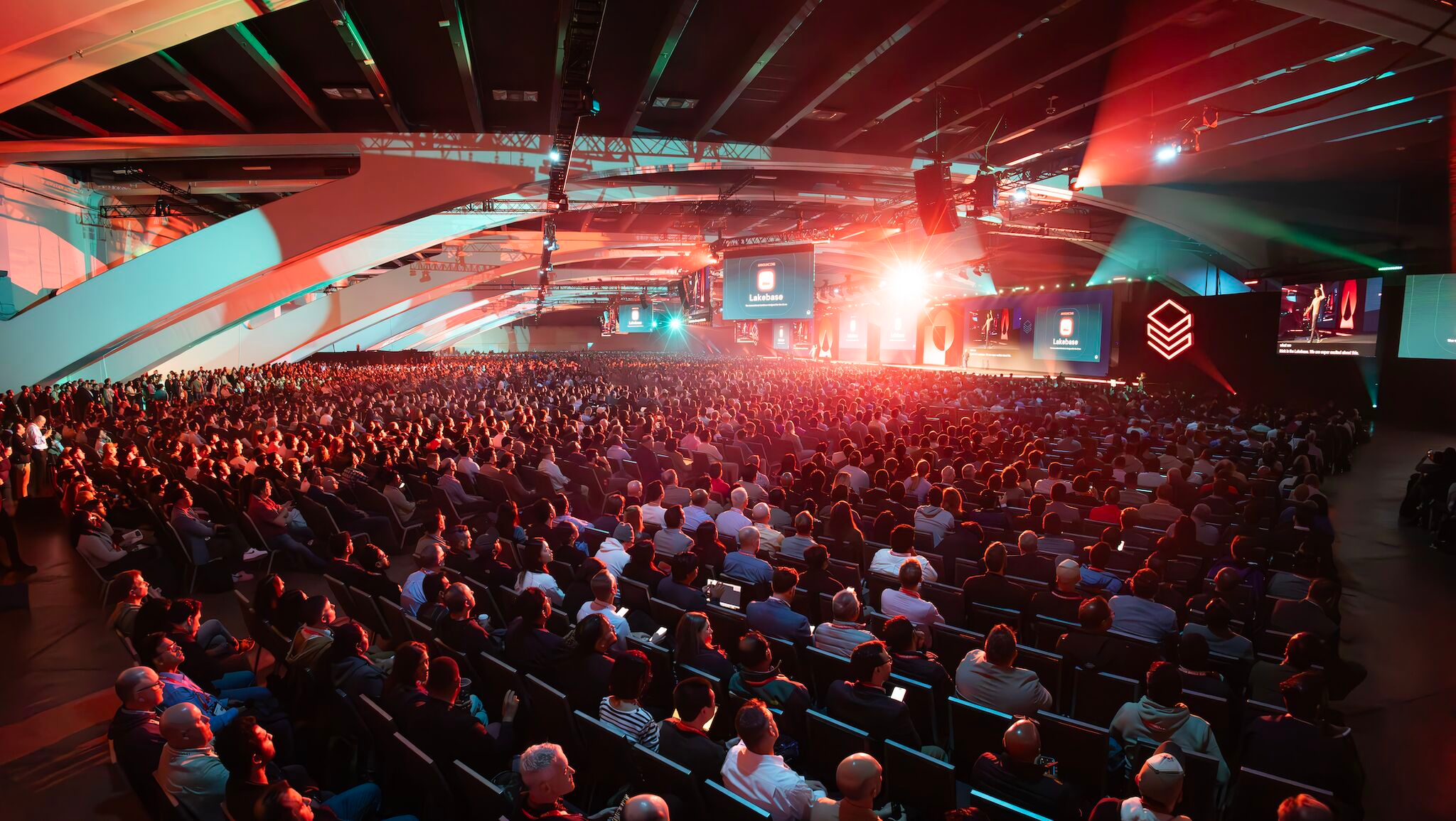
Day two of Databricks' Data + AI Summit shifted agentic AI and catalog federation from lab demos to production enterprise tooling, anchored by Lakebase — the serverless Postgres layer built for agents that read and write live application state, not just query history. With 30,000-plus attendees and featured sessions from Anthropic, OpenAI, LangChain and Cognition, it's the clearest sign yet that "agents in production" is becoming a real budget line, not a buzzword. The operational database is quietly turning into the battleground for who owns the agent stack.
Relevance 8/10Importance 7/10
China's MiniMax M3, an open-weight model with a 1-million-token context window, scores 59 percent on SWE-Bench Pro — edging out GPT-5.5 and Gemini 3.1 Pro on that software-engineering benchmark — at a launch-promo price of about $0.30 per million input tokens. It's a fraction of Western frontier pricing, and the latest sign the US-China model gap is narrowing on price as much as on capability. Cheap, capable, open-weight: exactly what the post-shutdown "run it yourself" crowd wants.
Relevance 8/10Importance 7/10
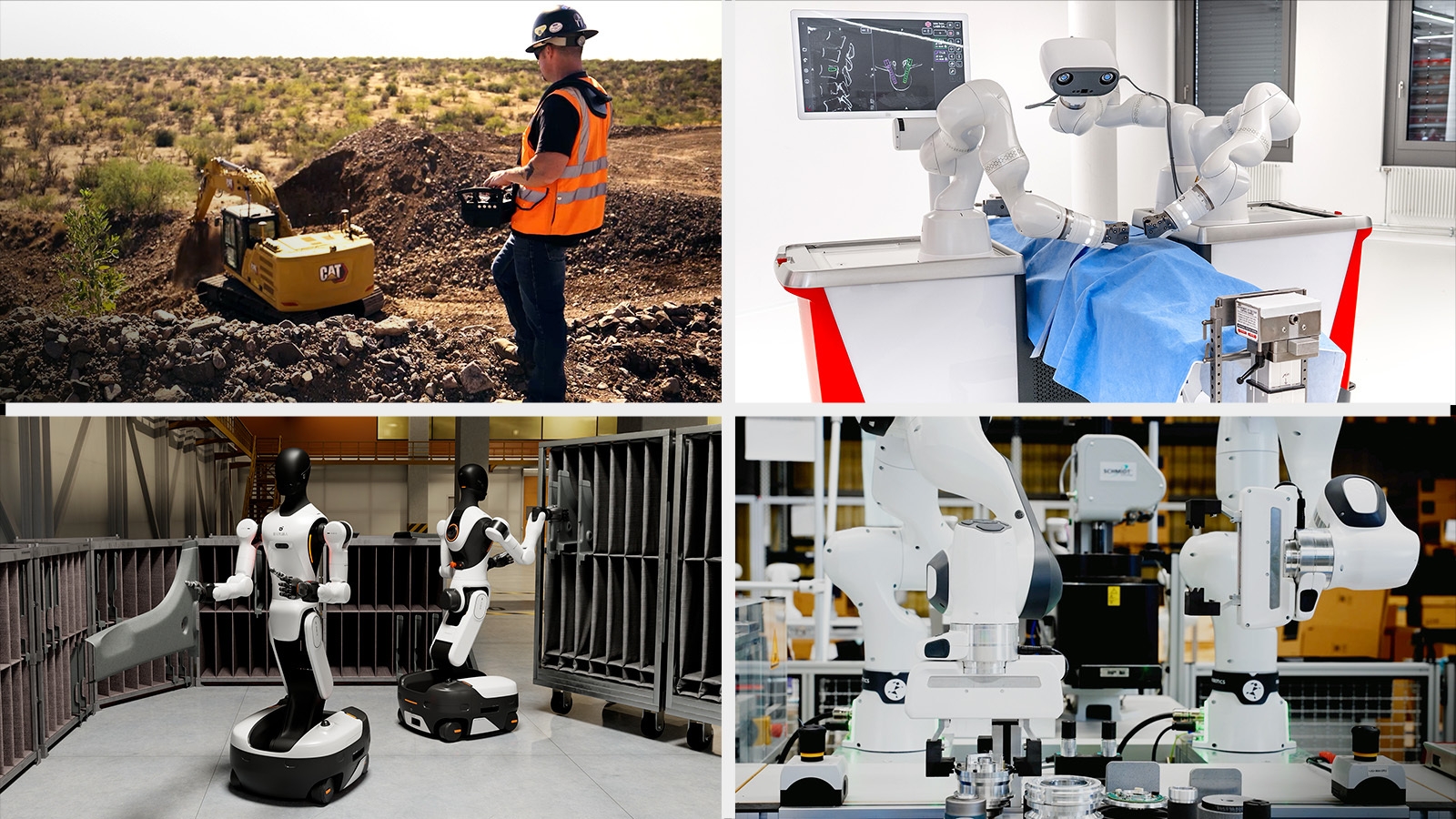
NVIDIA released a fresh wave of physical-AI foundation models alongside partner robot launches, and moved its industrial-grade IGX Thor edge platform to general availability — including a domain-specific platform aimed at healthcare robotics, with CMR Surgical and Johnson & Johnson MedTech on board. It's a coordinated push to put real-time embodied reasoning into factories, hospitals and logistics floors rather than research demos. The robots-that-actually-reason era keeps inching from the keynote stage onto the shop floor.
Relevance 7/10Importance 8/10
NAVER detailed a plan to build sovereign AI infrastructure on Nvidia's DSX platform, starting at 55 megawatts at its GAK Sejong data center in early 2027 and scaling toward gigawatt capacity later in the decade. The deal underscores how national AI capacity — not just models — has become the strategic battleground, with Korea pushing its own HyperCLOVA X models on the new factories. Sovereign compute is the new arms race.
Relevance 7/10Importance 8/10
Prometheus, the physical-AI startup co-founded by Jeff Bezos and scientist Vik Bajaj, raised a staggering $12 billion at a $41 billion valuation to build what it calls an "artificial general engineer" for the physical world. It's one of the largest raises of the year and a bet that the next frontier isn't chatbots but AI that designs and builds real machinery. When one of the world's richest people puts this much behind physical AI, the center of gravity in the field is visibly shifting.
Relevance 7/10Importance 8/10
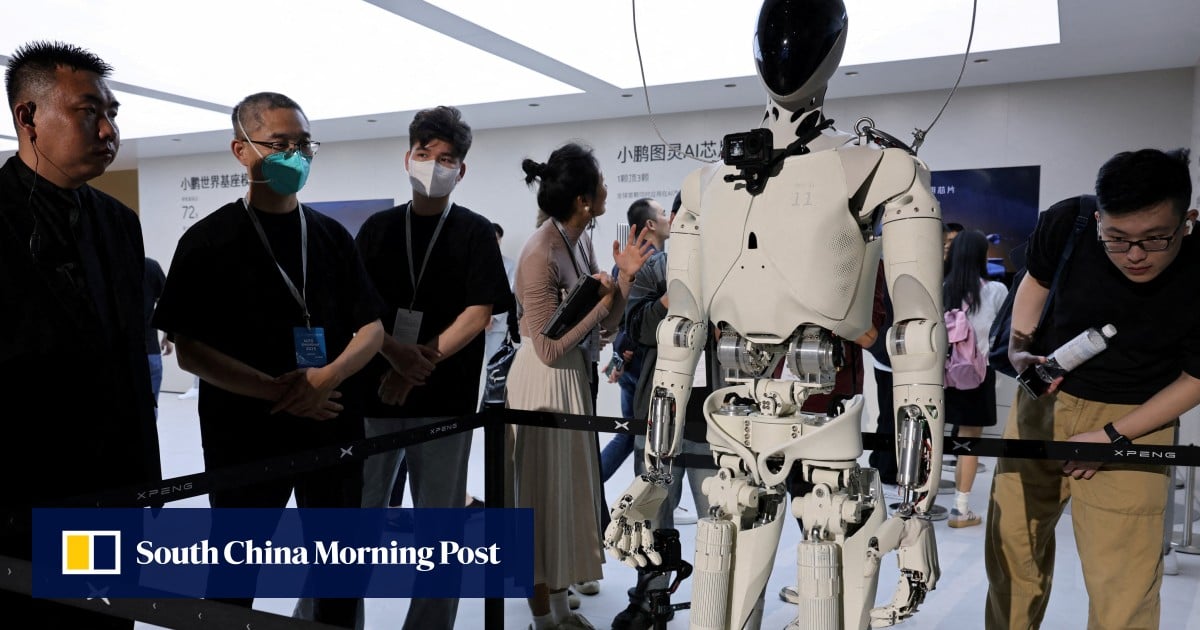
China is fast-tracking humanoid robots and embodied AI into industry under a nationwide program, targeting routine deployment across more than 100 high-value scenarios by the end of 2026 with capacity aimed at 10,000 units. Two government agencies are moving to accelerate development, pairing state direction with the country's manufacturing base. It's a striking contrast to the West's venture-funded approach to the very same race.
Relevance 9/10Importance 7/10
Google's Gemini 3.5 Pro remains in limited preview as of mid-June, with the smart money weighting a late-June general-availability date. The model targets a 2-million-token context window and a "Deep Think" reasoning mode, absorbing the hardest reasoning and multimodal jobs Google previously routed to its Ultra tier. Flash already shipped, so Pro is the shoe everyone's waiting to drop.