Relevance 10/10Importance 10/10
A developer published a production-ready Docker Compose config for running DeepSeek V4 Flash — a 304B-parameter model — on a single AMD MI300X GPU, including kernel patches fixing FP8 format incompatibilities and MoE routing bugs. The result: 168.6 tokens/second decode throughput with up to 256K context window support. This dramatically undercuts multi-GPU NVIDIA deployments for large model serving, making frontier-class inference meaningfully more accessible.
Relevance 10/10Importance 9/10
Mistral released Shieldstral, a 3B open-weights safety classifier that reframes content moderation as policy-adaptive question answering — you write plain-language moderation rules at inference time, no retraining required. It handles both text and image safety and matches the performance of much larger closed models. This is a direct strike against fixed-taxonomy guardrail systems and puts customizable moderation within reach of any team.
Relevance 8/10Importance 9/10
Waymo has dropped the waitlist for its Dallas robotaxi service — any resident can now hail a ride — after serving nearly 150,000 riders since a February 2026 launch. Coming next: fully autonomous runs on Dallas freeways and at Love Field Airport. It's a significant scale milestone that pushes Waymo's commercial AV footprint well beyond its San Francisco origins.
Relevance 9/10Importance 7/10
EdotEnv, a YC S26 company, builds reinforcement learning environments from real quantitative trading workflows to train LLMs on genuine long-horizon reasoning. Unlike static benchmarks that saturate fast, real markets grow harder as agents improve — a self-updating challenge loop. The founders argue current frontier models prefer shallow broad searches over deep iterative research, and trading is the perfect adversarial proving ground to fix that.
Relevance 4/10Importance 6/10
GitHub's engineering team tackled case-folding 480TB of source code for case-insensitive search and turned it into a masterclass in low-level optimization. Their solution — a counterintuitive branch-free loop that never exits early, backed by a 1,776-byte lookup table — achieves over 45 GiB/s on a single CPU core, more than 15 times faster than the naive approach. At GitHub's scale, the math on CPU hours saved is substantial.
Relevance 5/10Importance 5/10
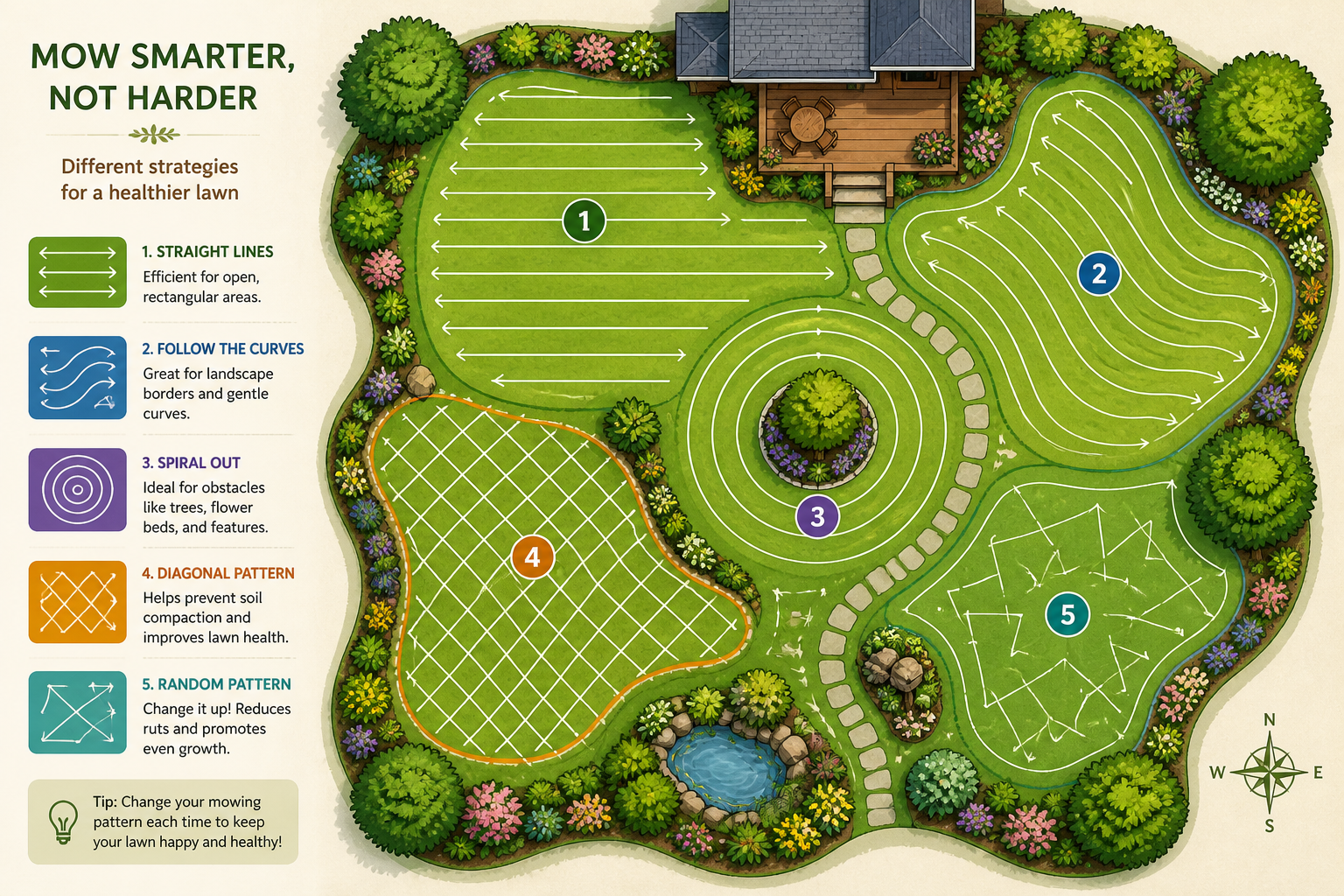
The Pudding ran nearly 31,000 people through increasingly complex virtual lawn-mowing tasks to probe how humans solve path optimization problems. Better mowers don't just move faster — they pause strategically at critical decision points like dead ends, then cruise through the easy sections efficiently. Humans naturally apply decomposition heuristics that keep their efficiency near 90% regardless of lawn complexity, a result with real implications for how we think about human-AI problem-solving differences.
Relevance 4/10Importance 5/10
Stephen Wolfram published a tribute to his late wife Elise Cawley (1961–2026) after 36 years of marriage, writing candidly about her life and their partnership. The piece earned nearly 430 points on HN — making it the highest-scored story of the afternoon. It is a reminder that behind the code and the companies, this community has genuine depth of feeling.
Relevance 2/10Importance 6/10
Troy Hunt received a legitimate FedEx SMS that was virtually indistinguishable from a phishing attempt — because FedEx's own notification design mimics every red flag users are taught to watch for. The piece argues that when real companies design communications that look like scams, they erode the public's ability to detect actual threats, undermining years of security awareness training. The fix is UX discipline at the sender, not more user education.
Relevance 3/10Importance 5/10
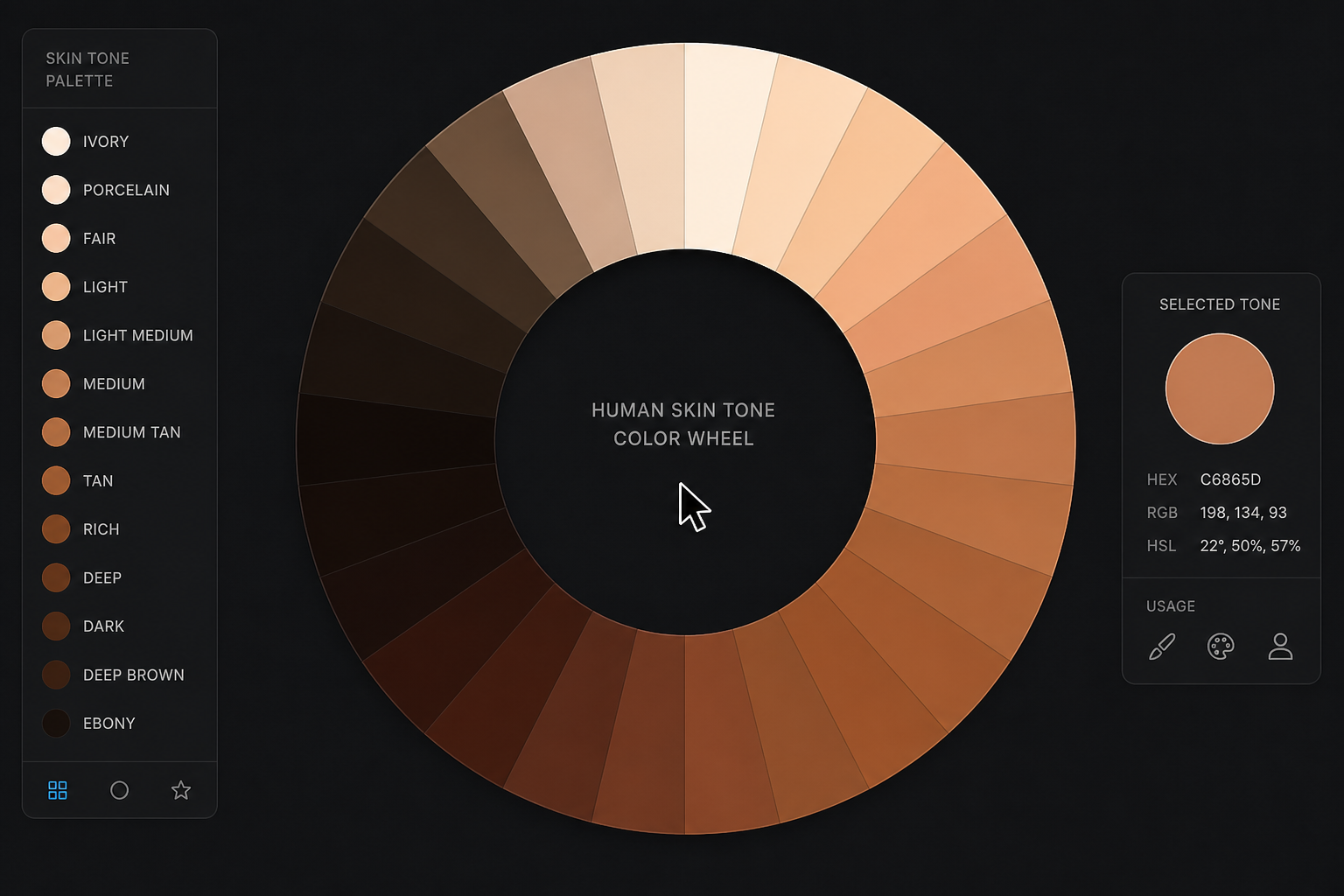
A developer built a custom color space for diverse human skin tones in digital art and game dev, using PCA on manually labeled data to define a sphere in a TUV space that maps cleanly to realistic RGB values. The project ships an interactive color picker and procedural generation algorithm developers can drop into character creators or illustration tools. It is a genuinely practical Show HN — the kind that quietly improves a hundred future games.
Relevance 2/10Importance 5/10
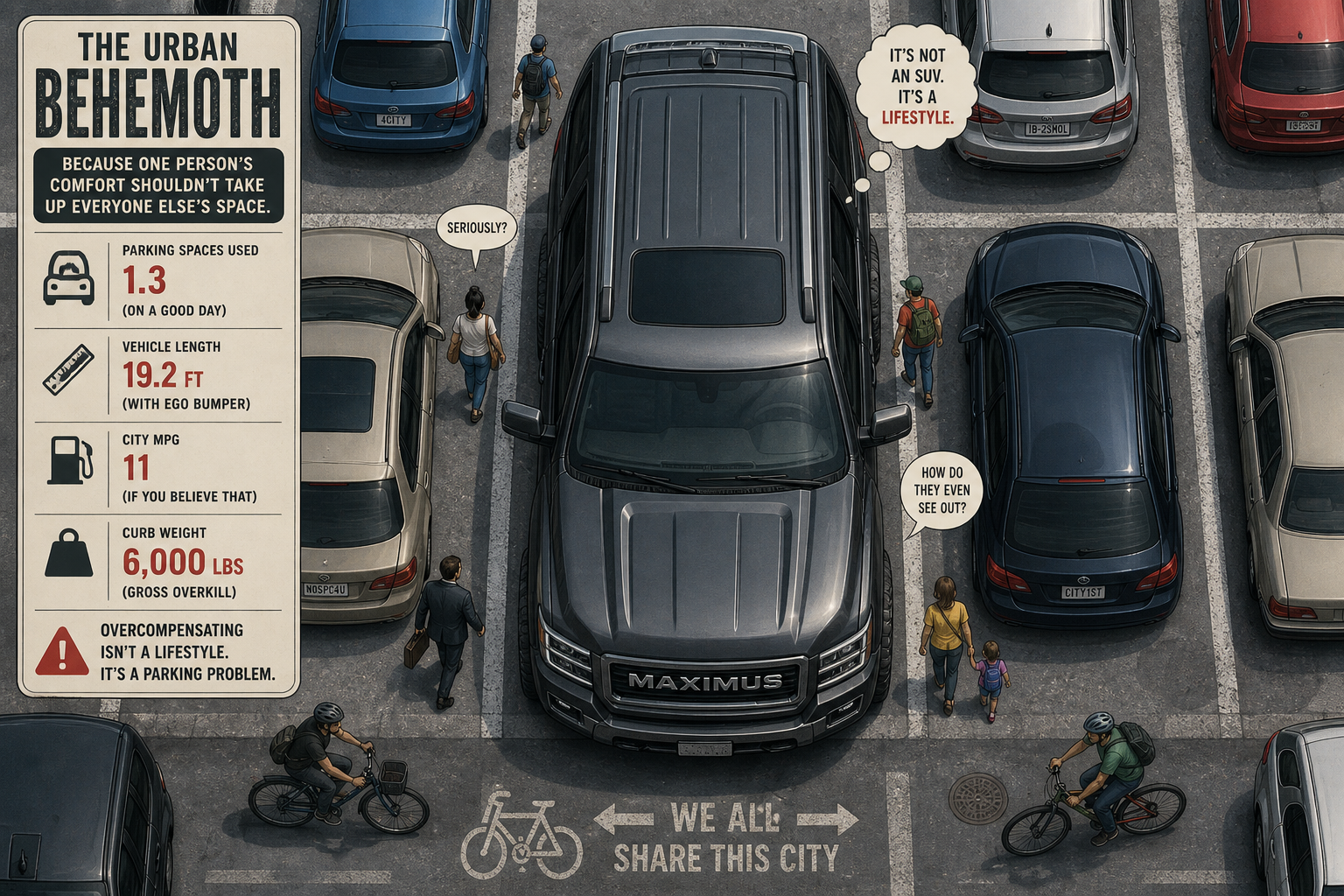
Transport and Environment's 2026 report documents a steady vehicular creep: new cars grow 1.2 cm longer and 0.5 cm taller every year, and if trends hold to 2040, cities could lose up to 14% of on-street parking capacity and see roughly 2,600 additional traffic deaths compared to a right-sizing scenario. The report also flags an extra 22.5 TWh of annual electricity demand from the enlarged EV fleet. The authors call for policy that returns new vehicle dimensions to 2015 baselines.

 HN Briefing PM