← Kilroy’s Daily Briefings
🎥 Slop Recon

🎥 Slop Network Recon — May 9, 2026 at 7:15 AM

🎥 Slop Recon5/9/2026🕐 7:15 AMInternet odditiesRecon

Top stories, ranked by relevance.

Story cards stay below the sticky dock while audio, chapters, date, and brief navigation remain accessible.

#1YouTube Shorts Monetization Threshold Quietly Dropped — Revenue

YouTube's early-access YPP tier now requires only 3 million Shorts views in 90 days (down from 10M) alongside 500 subscribers. This unlocks fan funding, Super Chat, Super Thanks, and memberships — not full ad rev share yet, but real money while you scale toward the full 10M tier. For an operator spinning up new channels, this cuts time-to-first-dollar dramatically.

No image
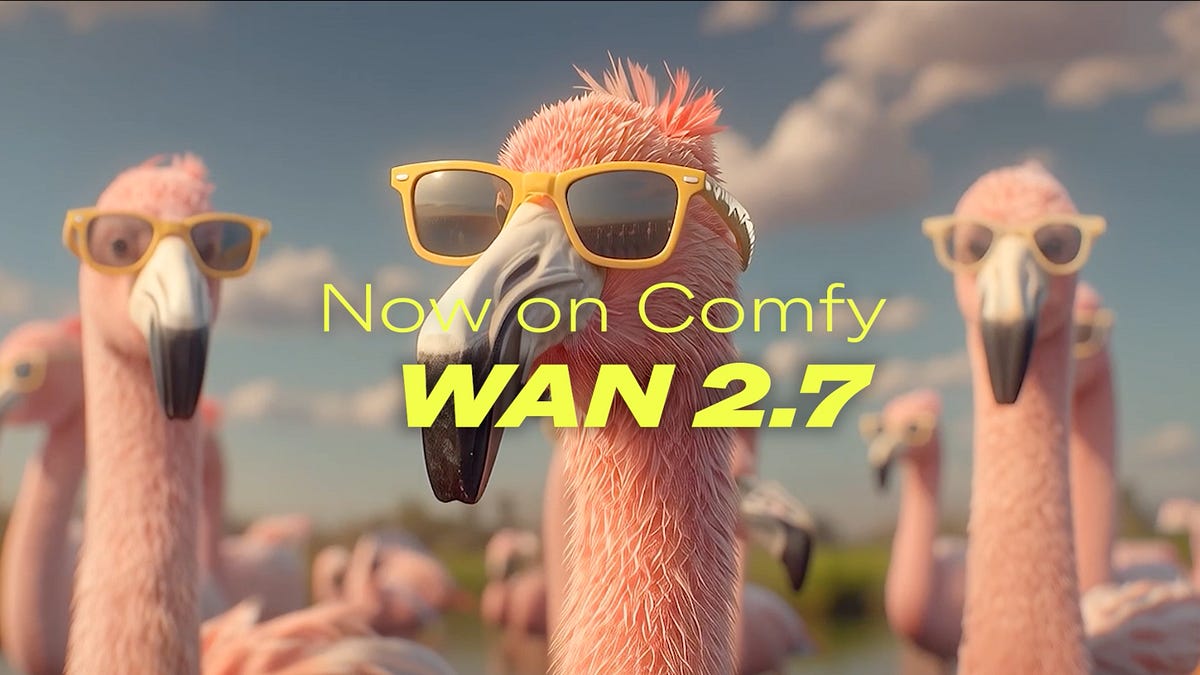
#2Wan 2.7 Lands in ComfyUI — Pipeline

Alibaba's Wan 2.7 is now available in ComfyUI via Partner Nodes. Key upgrades over 2.6: first-frame AND last-frame control in a single clip, up to 5 real-person image inputs, 9-grid multi-image composition for richer i2v, natural language video editing (swap backgrounds, outfits, lighting by description), and native audio output with dialogue sync. If you're still on Wan 2.2, this is a generational leap — especially the natural language editing, which could eliminate re-generation cycles entirely.

#3LTX 2.3: 10-14x Faster Than Wan 2.2, Native Portrait — Pipeline

Lightricks dropped LTX 2.3 — a 22B-param open-source DiT that generates 4K video at 50fps with synchronized audio in a single forward pass. Benchmarks show 10-14x speed advantage over Wan 2.2. Crucially for short-form operators: native 9:16 portrait output without cropping, and one-pass audio eliminates the audio-node routing step. Pick this for rapid iteration on vertical content; stick with Wan for motion realism.

No image

#4YouTube's AI Slop Purge: 4.7B Views Wiped, 16 Channels Gone — Competitive

YouTube deleted 16 high-reach AI channels in early 2026, erasing 4.7 billion lifetime views, 35M subscribers, and an estimated $9.8M/yr in ad revenue. Channels hit include Bandar Apna Dost (2.4B views), Super Cat League, and CuentosFacianantes. The line YouTube is drawing: mass-produced, templated content with zero human creative input gets axed. AI-assisted content with genuine editorial direction stays monetized. Know the difference — it's the difference between building a business and building a liability.

#5Horror Niche Is Printing for AI Shorts — Niche

Horror-related hashtags on TikTok have accumulated hundreds of billions of views, and AI-generated horror is one of the highest-engagement formats in short-form right now. Creepypasta-style narratives with twist endings perform exceptionally well, and the visual style maps perfectly to current AI generation capabilities — atmospheric, dark, forgiving of minor artifacts. Production cost is near-zero with AI voice + generated visuals, and the niche commands $8-$13 RPM on long-form YouTube.

No image

#6Platform Revenue Arbitrage: YouTube Pays 40-80% More Than TikTok — Revenue

Fresh RPM data: YouTube Shorts pays $0.01-$0.20 RPM depending on niche (finance/biz tops at $0.10-$0.20+). TikTok Creator Rewards pays $0.20-$1.50 per 1K qualified views, but qualification rules are stricter. YouTube consistently pays 40-80% more per 1K views when you factor in actual monetized impressions. The play: publish TikTok-first for discovery, YouTube Shorts for revenue. Cross-post everything but strip watermarks — both platforms deprioritize competitor watermarks.

No image

#7Faceless Channel Economics: $3/Video, 85% Margins at Scale — Revenue

Adavia Davis, 22, runs a network of faceless AI channels grossing $40K-$60K/month with $6,500/mo in operating costs — 85-89% margins, ~$700K/yr. Broader data: faceless content now makes up 38% of all new creator monetization ventures (up from 12% three years ago), and AI voiceover cuts production time by 80%. At scale, production costs are under $3 per video. The business model is proven if you stay on the right side of YouTube's quality line.

No image

#8Seedance 2.0 Draws Legal Fire — Competitive

ByteDance's Seedance 2.0 went viral in February with clips like Tom Cruise vs. Brad Pitt and Friends characters as otters. But it also drew a Disney cease-and-desist, MPA copyright infringement claims, and Paramount accusations over Star Trek and South Park IP. The model's autonomous camera-planning is genuinely impressive, but the legal heat is a signal: if you're using Seedance for content that references any recognizable IP, you're carrying risk. Stick to original concepts or use it for style reference only.

No image