← Kilroy’s Daily Briefings
📡 HN Briefing PM

📡 Hacker News Afternoon Briefing — Sunday, May 24, 2026 at 3:30 PM

📡 HN Briefing PM5/24/2026🕐 3:30 PMDev pulseAfternoon

Top stories, ranked by relevance.

Story cards stay below the sticky dock while audio, chapters, date, and brief navigation remain accessible.

#1DeepSeek Reasonix: Native Coding Agent with High Caching and Low Cost

Reasonix is an open-source, terminal-based AI coding agent engineered around DeepSeek's prefix-cache, keeping token costs low even across long sessions. It runs cross-platform via Node.js and positions itself as a lightweight, MIT-licensed alternative to pricier AI coding assistants. With the AI dev-tools space getting crowded, the caching-first cost angle is a smart differentiator.

No image

#2Constraint Decay: The Fragility of LLM Agents in Backend Code Generation

New research introduces "constraint decay," a phenomenon where LLM agent performance drops roughly 30 percentage points as structural requirements pile up in backend code generation tasks. The study tested 80 greenfield and 20 feature tasks across eight web frameworks, finding agents handle minimal frameworks like Flask well but struggle badly with convention-heavy ones like Django and FastAPI. Data-layer defects — bad queries, ORM violations — are the leading failure mode.

#3Memory Has Grown to Nearly Two-Thirds of AI Chip Component Costs

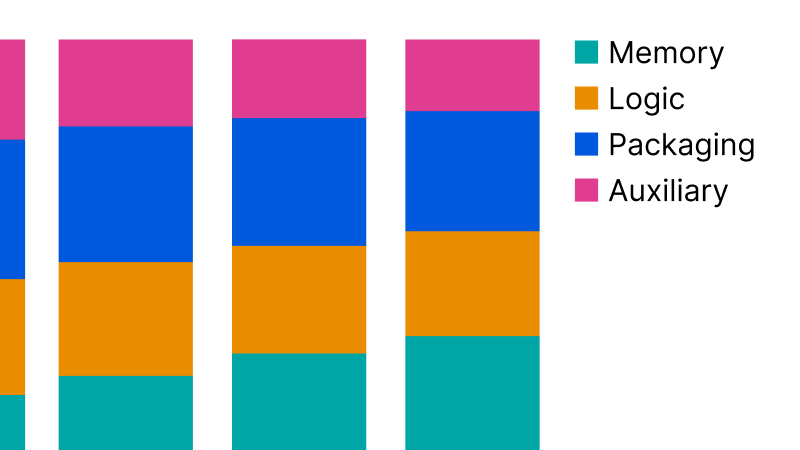
High-bandwidth memory (HBM) now accounts for 63% of AI chip component spending as of Q4 2025, up from 52% a year prior. In absolute terms, HBM expenditures exploded from roughly $12 billion in 2024 to $32 billion in 2025, outpacing every other component category. This cost shift is forcing cloud providers to revise their capex projections upward and reshaping AI hardware economics.

#4Australia Four-Day Work Week Study Shows Boosted Productivity

A Deakin University study tracked 15 Australian companies using the 100:80:100 model (full pay, 80% hours, 100% output) between 2022 and 2024. Not a single company reported productivity losses — six saw increases and nine held steady. Fourteen of 15 firms made the arrangement permanent, with the key being workflow restructuring rather than simply cramming five days into four.

#5Migrating from Go to Rust

This comprehensive guide argues that Go-to-Rust migrations aren't about raw speed but about the compiler catching entire classes of bugs — nil panics, data races, error-handling oversights — that Go catches only at runtime or through developer discipline. Successful migrations yield fewer oncall incidents and more predictable latency. The author recommends tactical, incremental service-by-service migration over wholesale rewrites.

#6Defeating Git Rigour Fatigue with Jujutsu

Jujutsu is a version control system that lets developers write messy commits during active development, then retroactively reorganize them into clean, well-scoped commits at the end. The author argues that maintaining perfect commit hygiene in real-time is exhausting and that sorting changes after the fact — when you have full context — is both faster and less error-prone. It trades bisect-friendly history for developer sanity.

No image

#7Using HTTP/2 Cleartext for a Server in Go 1.24

Go 1.24 simplifies HTTP/2 cleartext (h2c) support by letting developers set it directly on the http.Server struct, eliminating the need for external packages. The article walks through configuring h2c for Cloud Run environments that handle TLS termination externally but need HTTP/2 features for long-lived server-sent event streams. It also solves a specific Cloud Run bug where client disconnects weren't propagated properly over HTTP/1.1.

#8I Spent 50 Hours Drawing a Line Graph

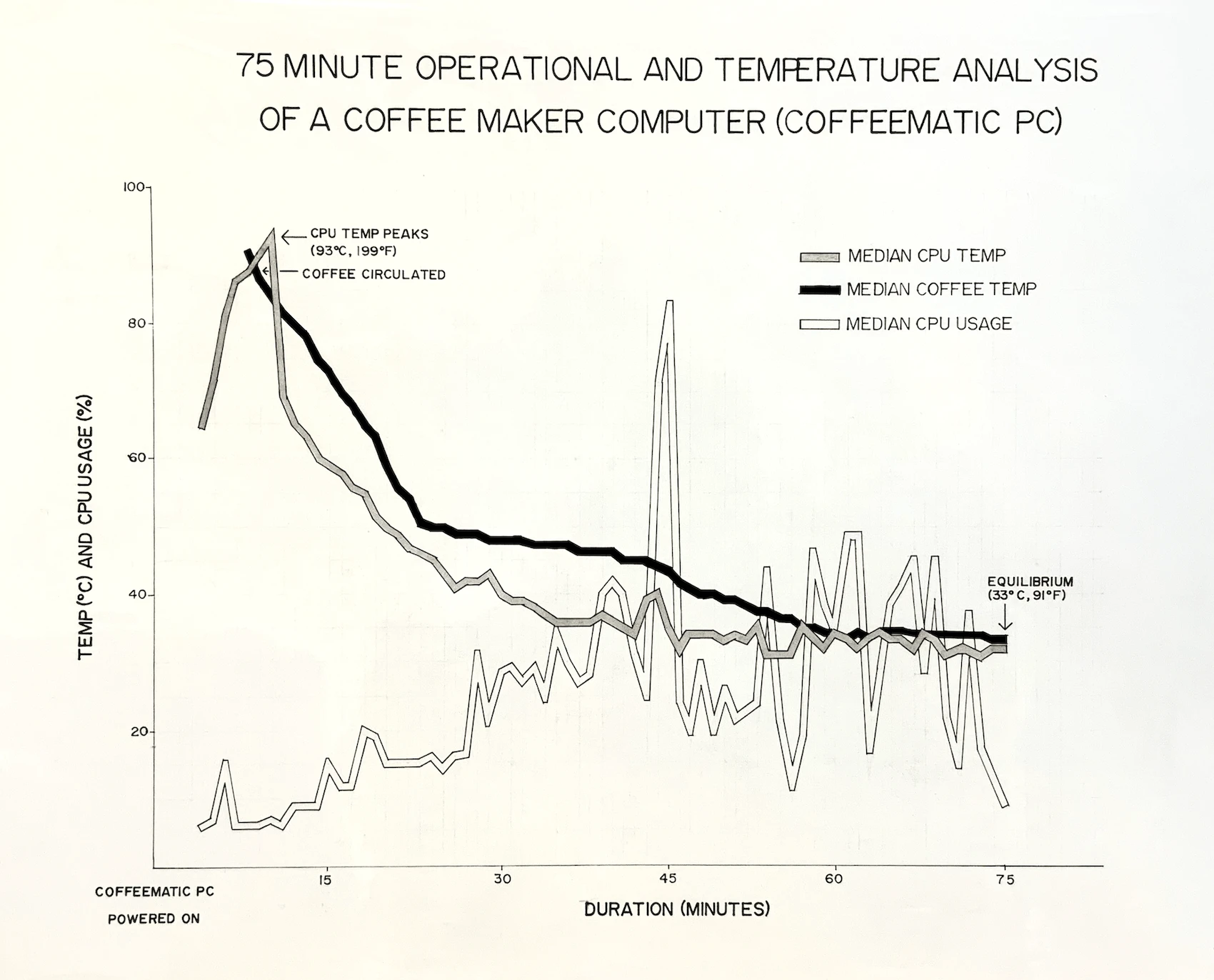
Artist Doug MacDowell hand-drew a coffee maker temperature analysis chart using vintage drafting techniques — rulers, pencils, ink, and lettering kits — work that PowerPoint could accomplish in 20 minutes. The piece is a meditation on craft versus efficiency and challenges assumptions about productivity in an age of instant data visualization. With 374 HN points, this one clearly struck a nerve.

#9CBP Directive 3340-049B: Border Search of Electronic Devices

The updated CBP directive confirms that U.S. border officers may inspect travelers' electronic devices — phones, laptops, flash drives, smartwatches, even vehicle infotainment systems — without a warrant at any port of entry. Advanced searches using external equipment require reasonable suspicion, and devices can be detained up to five days. Officers may only search locally stored data, not cloud-based storage, though the expanded device list raises significant privacy concerns.

#10LAN-LOK: The Antarctic DOS Sabotage Game Lost for 34 Years

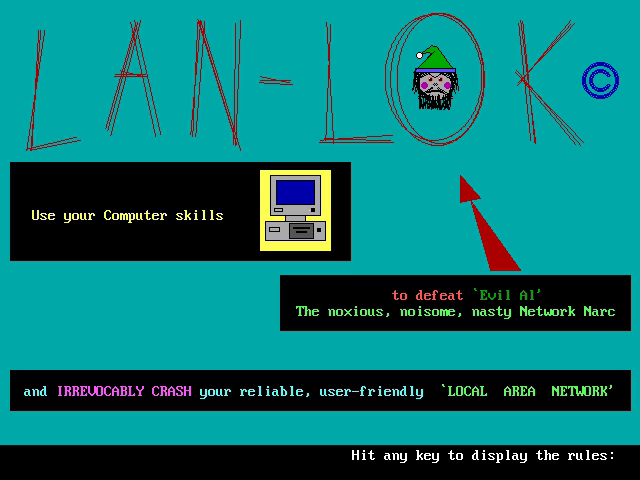
LAN-LOK is a DOS game created at Palmer Station, Antarctica in 1991 by researchers who were living through the station's transition to its first local area network. Players race to crash the network by disabling computers in five minutes while an AI character named Evil Al frantically repairs the damage. Lost for 34 years, the game was recently rediscovered and archived, now playable again through DOSBox emulation.