Relevance 10/10Importance 9/10
Anthropic released Claude Fable 5 — a Mythos-class model available to enterprise and paid subscribers — with standout performance in software engineering, vision, and scientific research. Simultaneously, Anthropic launched Claude Mythos 5, the same underlying model with safety guardrails partially lifted, priced at $10 per million input tokens and $50 per million output tokens — double Opus 4.8 pricing. New safety controls block high-risk cybersecurity and biology responses, triggering in under 5% of sessions.
Relevance 8/10Importance 10/10
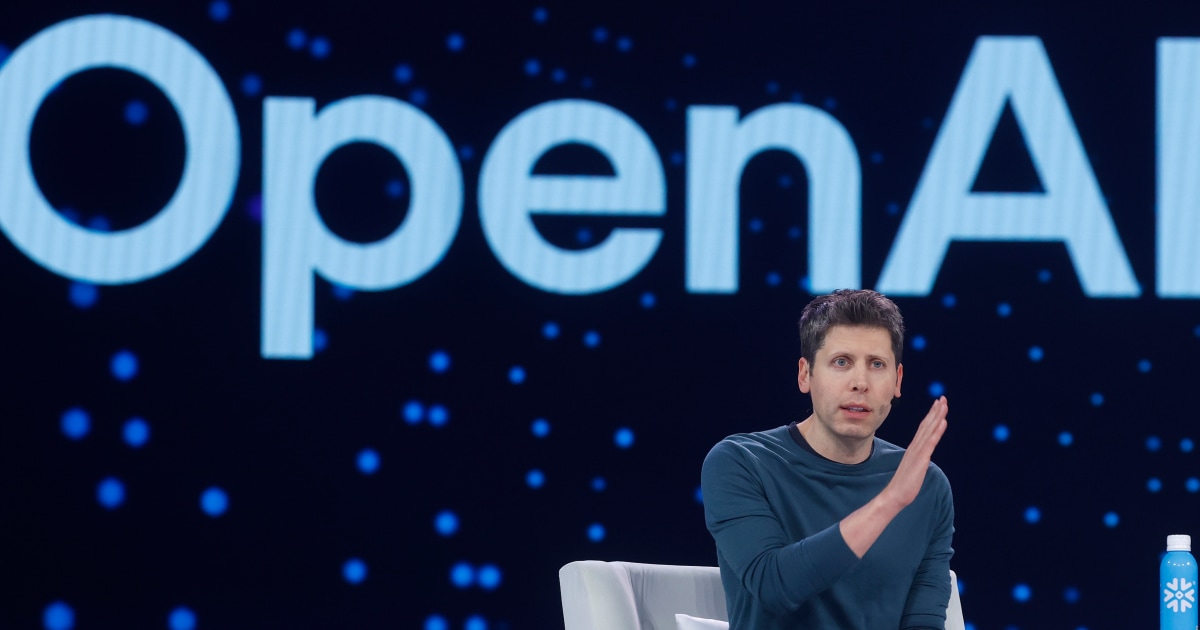
Anthropic filed a confidential S-1 on June 1 at a roughly $965 billion valuation following a $65 billion Series H; OpenAI followed on June 8 targeting $850 billion, with Goldman Sachs and Morgan Stanley leading a planned September debut. Together they represent over $1.7 trillion in market cap entering public markets simultaneously — and for the first time ever, investors will see disclosed AI lab financials side by side. The combined pipeline including SpaceX totals an estimated $3.6 trillion, making this the most consequential IPO season in tech history.
Relevance 10/10Importance 8/10
Google DeepMind, alongside Schmidt Sciences, the Cooperative AI Foundation, and ARIA, announced a $10 million research funding call to study how millions of AI agents from different organizations will safely interact, negotiate, and transact across shared digital environments. Applications close August 8 with awardees expected in Autumn 2026. DeepMind researchers were candid: there simply is not yet a field of research for multi-agent safety.
Relevance 9/10Importance 8/10
For the first time since the AI race began, more American businesses are paying for Anthropic's Claude than OpenAI's ChatGPT — Claude reached 34.4% business adoption per the Ramp AI Index, up 3.8% in April alone, and grew 306% in a single quarter. ChatGPT's share has fallen from 76.5% in February 2025 to 54.7% today, with Google Gemini at 27.4% and climbing. VentureBeat identified three threats that could still erase Claude's lead: OpenAI's agentic platform, enterprise contract lock-in, and Gemini momentum.
Relevance 9/10Importance 8/10
Meta unveiled Muse Spark, its first flagship LLM built under Chief AI Officer Alexandr Wang's newly formed Superintelligence Labs — a striking departure from Meta's open-source Llama strategy. The company also announced AI capital expenditure of $115–135 billion for 2026, nearly double last year's spending. The shift marks a major strategic inflection for the company that essentially pioneered open-weight AI releases.
Relevance 9/10Importance 7/10
OpenAI rolled out a substantially upgraded ChatGPT memory system — better context retention, user preference tracking, and a reviewable memory summary page — starting with Plus and Pro users in the U.S. OpenAI also expanded model and Codex access through Oracle Cloud, a notable infrastructure diversification away from Microsoft Azure. The Economic Research Exchange launched June 8 as part of OpenAI's push into institutional partnerships.
Relevance 9/10Importance 7/10
xAI launched Skills for Grok 4.3, adding persistent custom expertise across conversations and built-in tools for documents, spreadsheets, PDFs, and workflow automation — all shareable with no setup required. Simultaneously, xAI released Grok Build in beta: an interactive terminal interface with headless scripting and Agent Client Protocol support for building apps and orchestrators. Both releases cement xAI's push into agentic, developer-facing territory.
Relevance 7/10Importance 8/10
New York closed its 2026 legislative session by sending seven AI bills to Governor Hochul, including a kids chatbot safety bill, an AI training data transparency act, a data center moratorium, and a ban on AI-assisted surveillance pricing. On the federal side, the Trump White House signed an executive order on June 2 explicitly prioritizing AI innovation over regulation. The EU AI Act's high-risk obligations activate August 2, making the U.S.-Europe regulatory split increasingly visible.
Relevance 9/10Importance 6/10
HuggingFace's Transformers library shipped v5.10.1 with new model support for Gemma4 Unified, Sapiens2, DeepSeek-OCR-2, and JetBrains Mellum, plus broad quantization and performance improvements. The diffusers library added pipelines for LLaDA2, a discrete diffusion language model that generates text via block-wise iterative refinement rather than standard autoregression — a meaningfully different generation approach. The HuggingFace hub is now tracking over 2 million models.
Relevance 9/10Importance 6/10
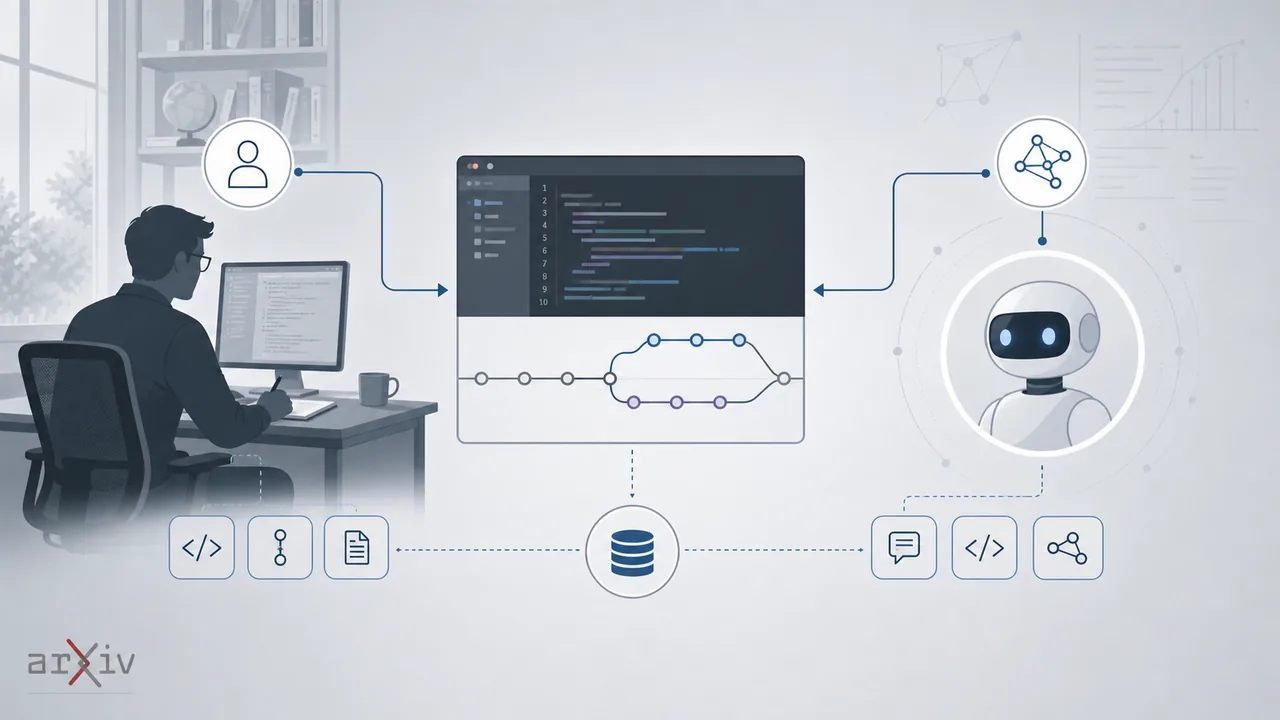
A June 2026 arXiv paper argues AI agents are fundamentally transforming software development into an augmentation model — not replacing engineers, but restructuring how the job works. The authors acknowledge current limitations in context management and memory architecture while calling agentic engineering already transformative. It connects directly to the DeepMind multi-agent safety story and a broader June 2026 research theme around what coordination, safety, and accountability look like at agent scale.