← Kilroy’s Daily Briefings
🎬 AI Video Intel

🎬 AI Video Intel — May 11, 2026 at 6:45 AM

🎬 AI Video Intel5/11/2026🕐 6:45 AMVideo modelsVisual AI

Top stories, ranked by relevance.

Story cards stay below the sticky dock while audio, chapters, date, and brief navigation remain accessible.

#1BACH Launches: Multi-Shot 30-Second AI Films in One Workflow

Singapore startup Video Rebirth (founded by former Tencent Distinguished Scientist Dr. Wei Liu) launched BACH on May 7. It's the first AI video engine that generates multi-shot films up to 30 seconds with consistent character identity, directable emotions per shot, camera language, and narrative structure — all from reference images and a shot description. Uses two proprietary architectures (Dual Diffusion Transformer and Physics-Native Attention), outputs native 1080p at 30fps with in-workflow sound effects, voiceover, and music. Debuted at #6 on the Artificial Analysis Video Arena alongside Kling 3.0 Omni. Free credits on sign-up at bach.art.

No image

#2Seedance 2.0 Gets a Browser-Based Platform (Seedance2.so)

On May 8, Seedance2.so went live — a no-install, browser-based interface running ByteDance's Seedance 2.0 model. Upload an image, write a motion prompt, get a 15-second clip with native audio in under two minutes. Supports text-to-video, image-to-video, and audio-synced generation in 35 languages with a free tier for new sign-ups. Clips up to 1080p across six aspect ratios including 9:16 for Shorts/Reels. ByteDance had paused global rollout in March, so this third-party platform is currently the easiest way to access Seedance 2.0 outside China.

No image

#3Runway Gen-4 Adds Native Audio Generation and Hybrid API Hooks

Runway's Gen-4 model now generates native audio tracks alongside video — one of the most requested features in the ecosystem. More importantly for pipeline builders, new API hooks allow hybrid workflows combining Gen-4 with Veo 3, Seedance, or other tools for sequence-specific generation. This makes Runway a viable orchestration layer rather than a standalone gen tool, which is a significant shift for multi-model production workflows.

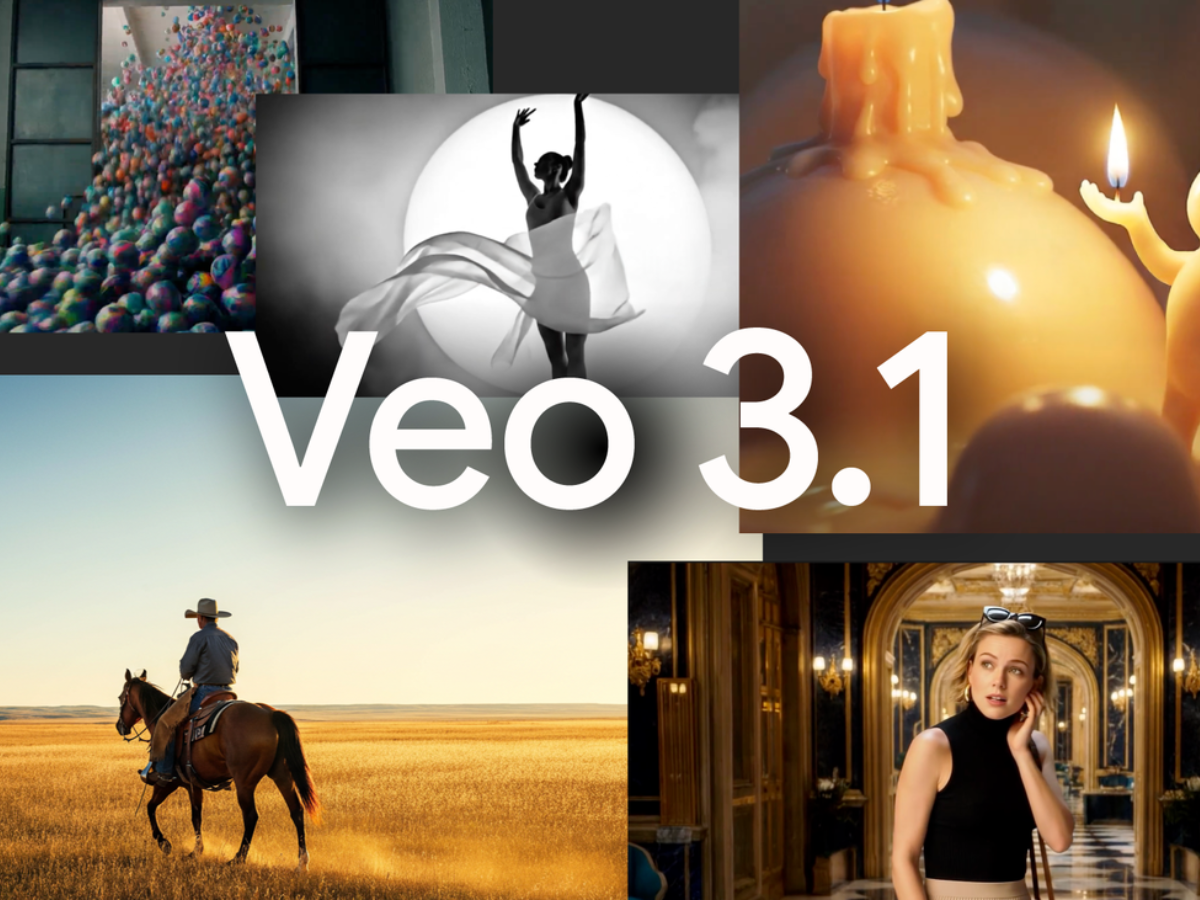
#4Google Veo 3.1 Now Free for All Google Accounts (10 Gens/Month)

Google opened Veo 3.1 to every personal Google account through Google Vids (10 free video gens/month, 720p, 8 seconds each) and Google Flow (50 daily credits, roughly 12 videos/day). No credit card required. Previously this was locked behind expensive Workspace subscriptions. The free tier is permanent, not a trial. For devs, the new Veo 3.1 Lite API runs at $0.05/second — half the cost of Veo 3.1 Fast with the same speed and native audio generation included.

#5Instagram Expands Original Content Crackdown to Photos and Carousels

As of April 30, Instagram's algorithmic penalties for "unoriginal content" — previously limited to Reels — now cover photos and carousel posts. Accounts that primarily repost others' work are excluded from Explore and recommendation surfaces. For AI creators: this actually benefits you if you're generating original content. Simply adding watermarks or minor crops won't qualify as original. Meta wants "meaningful transformation" — commentary, remixing, or creative reinterpretation. Your AI-generated originals should be fine; curated repost pages are the target.

No image

#6ComfyUI V3 Schema Migration Is Live — V1 Is Frozen

The ComfyUI V3 node schema is in active migration. V1 and V3 nodes can coexist in the same workflow, but V1 is now frozen — no new features, no bug fixes. New features (like native Kling 2.6 audio-video nodes) are V3-only. The Vue.js frontend migration is the biggest architectural change in ComfyUI's history. Custom node authors should plan migration now; estimated deprecation of V1 is late 2026 to early 2027. Simple nodes take 10-20 minutes to port.

No image

#7Wan 2.2 14B GGUF Quantized — Run the Full Model on Consumer GPUs

The Wan2.2-T2V-A14B-GGUF quantized model is now well-supported in ComfyUI with community workflows that run the full 14-billion-parameter model on GPUs with 8-10GB VRAM via aggressive CPU offloading (~9GB to system RAM). Multiple ready-to-use workflows are available on Civitai and GitHub, including combined image-to-video and text-to-video setups with 4-8 step generation. If you have an RTX 3080 or better and haven't tried local Wan 2.2 yet, the barrier to entry has effectively collapsed.

No image

#8Kling 3.0 Omni: Reference-Based Character Cloning Across Scenes

Kling 3.0's Omni mode now lets you upload a reference video and extract both visual traits and voice characteristics of a character, then replicate them across new scenes. Combined with native 4K at 60fps, multilingual audio in 6 languages, and the Motion Brush for drawn motion paths, this is the most complete character-consistency toolkit in any single commercial model right now. No other major model matches the Motion Brush control layer.

No image

#9AI Creator Economy Hits $234B — 84% of Creators Now Using AI Tools

The 2026 creator economy crossed $234 billion with 207M+ active creators globally. 84% report using AI tools in their workflows. YouTube Shorts now generates more revenue per watch hour than traditional in-stream video in the US. Faceless AI channels earning $5K-$30K/month are now common, though typically requiring 6-12 months of consistent posting to hit monetization thresholds. YouTube RPMs range from $1-$9 per 1,000 views for general content, with finance/tech niches commanding $15-$40 RPM.

No image