← Kilroy’s Daily Briefings
🎬 AI Video Intel

🎬 AI Video Intel — Wednesday, May 20, 2026 at 6:45 AM

🎬 AI Video Intel5/20/2026🕐 6:45 AMVideo modelsVisual AI

Top stories, ranked by relevance.

Story cards stay below the sticky dock while audio, chapters, date, and brief navigation remain accessible.

#1Google Launches Gemini Omni Flash at I/O — 10-Second Multimodal Video Generation, Free on YouTube Shorts This Week

Announced yesterday at Google I/O 2026, Gemini Omni Flash generates 10-second video clips with synchronized audio from a single multimodal prompt (text, images, clips, or speech) and supports conversational editing. It combines Gemini with Veo, Nano Banana, and Genie under the hood. Available now for AI Plus subscribers; rolling out free on YouTube Shorts and YouTube Create later this week, with every output SynthID-watermarked. Audio editing inside generated clips is deliberately held back for now.

No image
#2Runway Agent Ships — Idea to Finished Multi-Shot Video in One Conversation

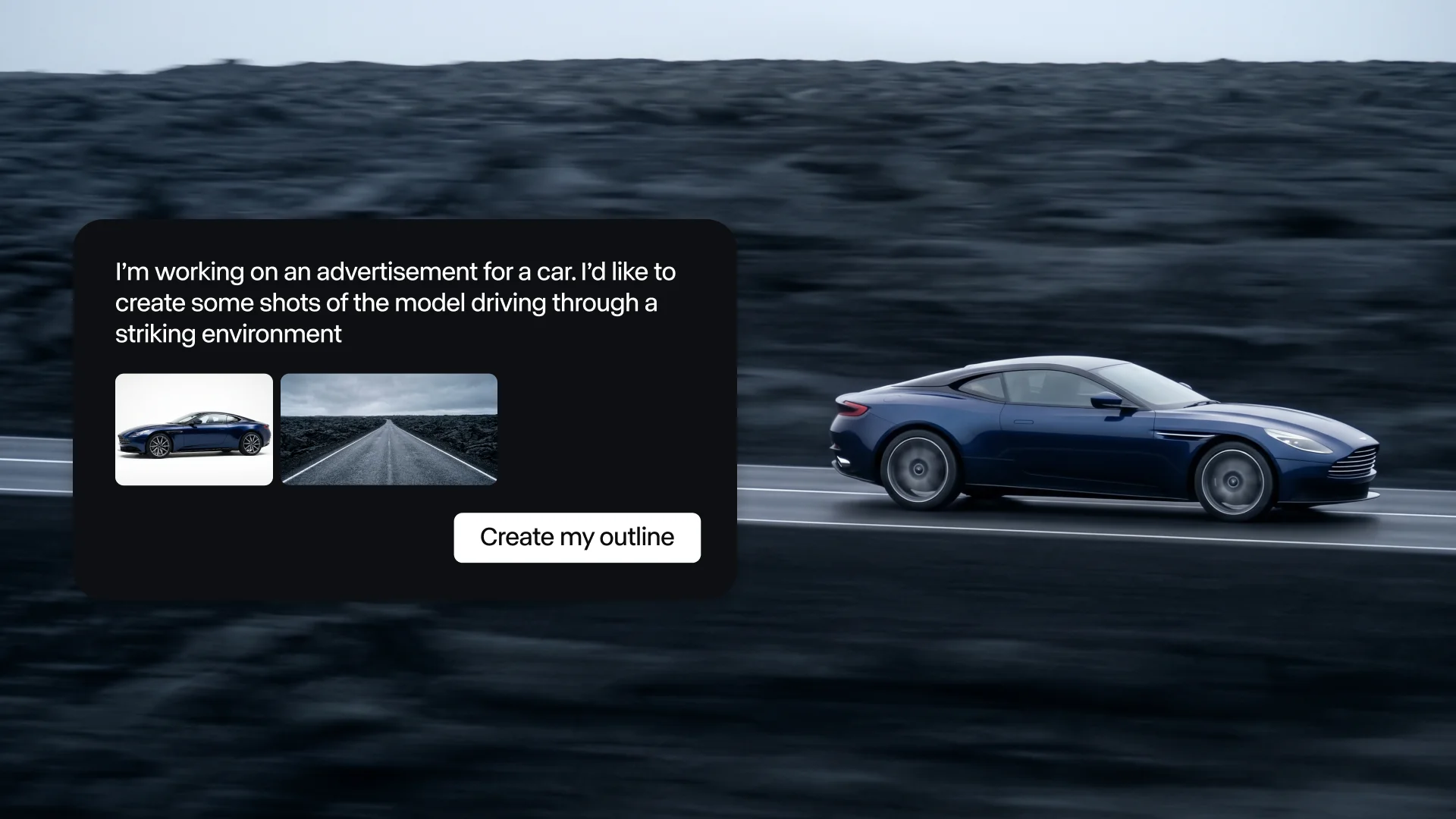
Launched May 13, Runway Agent is an agentic creative partner that takes a text brief, proposes concept and story beats, then generates a full multi-shot video with voiceover, dialogue, and music — all assembled and ready to publish. Built on Gen-4/4.5, it targets brand teams and creators who need high-volume social content. A timeline editor is available for final tweaks. Available now to all Runway subscribers.

#3ComfyUI v0.21.1 Drops with Seedream 4.0, Flux2, Veo 3 Lite, and Claude LLM Nodes

Released May 13, this update adds partner nodes for ByteDance Seedream 4.0 (image gen with DynamicCombo), Flux2ImageNode, GrokImageEditNodeV2, a lightweight Veo 3 Lite video node, an OpenAI Image node, and a Claude LLM node for text generation inside workflows. Also includes Anima TE LoRA support in Kohya format, HiDream-O1-Image support, and 4K video output for ByteDance 2 nodes. Fp8 safetensors saving bug is fixed.

#4TikTok Now Actively Downranks AI Video — Creator Rewards Program Effectively Closed to AI Content

TikTok's 2026 algorithm prioritizes watch time and authentic human creators, actively deprioritizing AI-generated video. Fully AI-generated content is excluded from the Creator Rewards Program on originality grounds. Data shows fully AI channels achieve 10K+ followers only 8% of the time (vs. 62% for human-led content), with just 2% reaching sustainable income. TikTok's official line: properly labeled AI content isn't penalized, but the numbers tell a different story.

#5Wan 2.7 Open-Source: First-Frame + Last-Frame Control, V2V, and Subject Referencing

Alibaba's Wan 2.7 (released March/April 2026) adds first-frame and last-frame specification — the model generates everything in between — drastically cutting the trial-and-error loop. Also new: video-to-video transformation (restyle existing clips while preserving motion), subject referencing from a single image, 9-grid image input, up to 15-second clips, and improved audio sync. Free and open-source. Runs locally on an RTX 4090.

#6Sora Is Officially Dead — Disney Kills $1B OpenAI Stake

OpenAI discontinued the Sora app on April 26; the API shuts down September 24. The Wall Street Journal reported Sora was losing $1M/day. Disney has ended its three-year licensing agreement and dropped plans for a $1B investment in OpenAI. The practical shortlist for creators is now Veo 3.1, Runway Gen-4.5, Kling 3.0, and Seedance 2.0 — with Wan 2.7 leading the open-source tier.

No image

#8YouTube Shorts Monetization Data: Affiliate Revenue Beats Ad Revenue 120x on Identical AI Content

A creator case study shows a Short with 1.5M views earned ~$10 in ad revenue but ~$1,200 in affiliate sales through YouTube Shopping Affiliate tools — a 120x difference. Shorts RPM sits at $0.01-$0.15, meaning ad-only monetization requires 40-100M monthly views to hit $5K/month (only 3% of monetized channels). Finance/B2B niches earn 10-30x more per view than entertainment. The takeaway: AI video creators should treat Shorts as a top-of-funnel affiliate play, not an ad revenue business.

No image

#9All Five Frontier AI Labs Now Under US Government Pre-Deployment Review

As of May 5, Google DeepMind, Microsoft, and xAI joined OpenAI and Anthropic in signing CRADAs with NIST's CAISI for pre-deployment model evaluation. Over 40 assessments have been completed. Labs submit models with reduced safeguards for thorough capability testing. This means every major frontier model — including those powering video generation — now goes through federal review before public launch, which could affect release timelines.

No image