SpaceX priced at $135 per share overnight, raising $75 billion in the largest initial public offering Wall Street has ever seen. The stock opened this morning at $150 — an immediate 11% jump — and has run as high as $168.75, a 25% gain from the IPO price. At that peak, the company's market cap briefly exceeded $2.2 trillion, larger than Tesla on day one and within striking distance of Amazon. About 30% of shares were reserved for retail investors.
Oracle beat on earnings ($2.11 EPS on $19.18B revenue) but cloud revenue at $9.91 billion came in slightly below consensus, and quarterly capital expenditures of roughly $8.5 billion flipped free cash flow negative at approximately -$362 million. A shareholder litigation firm launched a probe into whether leadership misled investors about AI infrastructure spending risks. The stock has collapsed from near $250 to around $184 in under two weeks.
Broadcom's fiscal Q2 revenue hit $22.2 billion (+48% YoY) with AI semiconductor sales surging 143% to $10.8 billion on hyperscaler custom-chip demand. But the stock fell roughly 13–15% after CEO Hock Tan declined to raise the full-year AI revenue target above $100 billion, and Q3 AI guidance of $16 billion came in below the $17.2 billion the Street expected. The guidance miss triggered a sector-wide sell-off that sent AMD down more than 10%.
Intel jumped 11.2% earlier this week after reports that Alphabet will use Intel Foundry to manufacture more than 3 million custom Tensor Processing Units in 2028 — the first time Google has used Intel as a contract chip maker for its proprietary AI hardware. The deal, Intel's largest external AI manufacturing commitment ever, dragged the XLK technology ETF up 2.15% on its own. It represents a landmark validation of Intel's foundry turnaround strategy.
Microsoft fell 1.77% on Thursday to close at $390.34, extending a year-to-date decline of roughly 15%. Oracle's cloud miss rippled directly into MSFT, reopening the "when does AI spending pay off?" debate. The company's quarterly capex is approaching $40 billion and its AI business generates over $37 billion annually, but profitability timelines remain unclear to investors. Xbox restructuring headlines added weight to an already pressured stock.
Anthropic filed confidentially on June 1 at a reported $965 billion valuation, with annualized revenue crossing $44 billion and its first quarterly operating profit of ~$559 million expected in Q2. OpenAI followed on June 8 at approximately $852 billion. Combined with SpaceX's debut today, these three listings represent roughly $3.6 trillion in new market cap — about the GDP of France — hitting public markets in a compressed window that analysts say will force institutional portfolios to rebalance away from existing Magnificent Seven holdings.
Nvidia is trading around $204 today, up roughly 2.3%, holding its ground while cloud-software peers absorb AI capex heat. Bank of America maintains a $320 price target underpinned by a $1.7 trillion AI data center total addressable market through 2030, with Blackwell GPU shipments expanding and initial Vera Rubin revenue adding forward visibility. The contrast is notable: Nvidia collects the AI infrastructure spend that Oracle and Microsoft are getting punished for making.
AMD posted Q1 2026 revenue of $10.3 billion (+38% YoY) with the data center segment up 57% to $5.8 billion, driven by MI300X accelerator demand from hyperscalers diversifying away from Nvidia-only supply chains. The stock dropped 10.86% to $466.38 on June 5 after Broadcom's guidance miss sparked a sector-wide panic, but AMD is still up more than 130% year-to-date and the recovery has been swift.
Alongside a first-quarter earnings beat on June 3, CrowdStrike's board authorized a four-for-one stock split. The record date is June 25; split-adjusted trading begins July 2. Falcon Flex module adoption is up 120% year-over-year, and net new ARR hit $330.7 million in Q4 (up 47% YoY). Wedbush's Daniel Ives has flagged CRWD among his top AI-driven security picks for 2026.
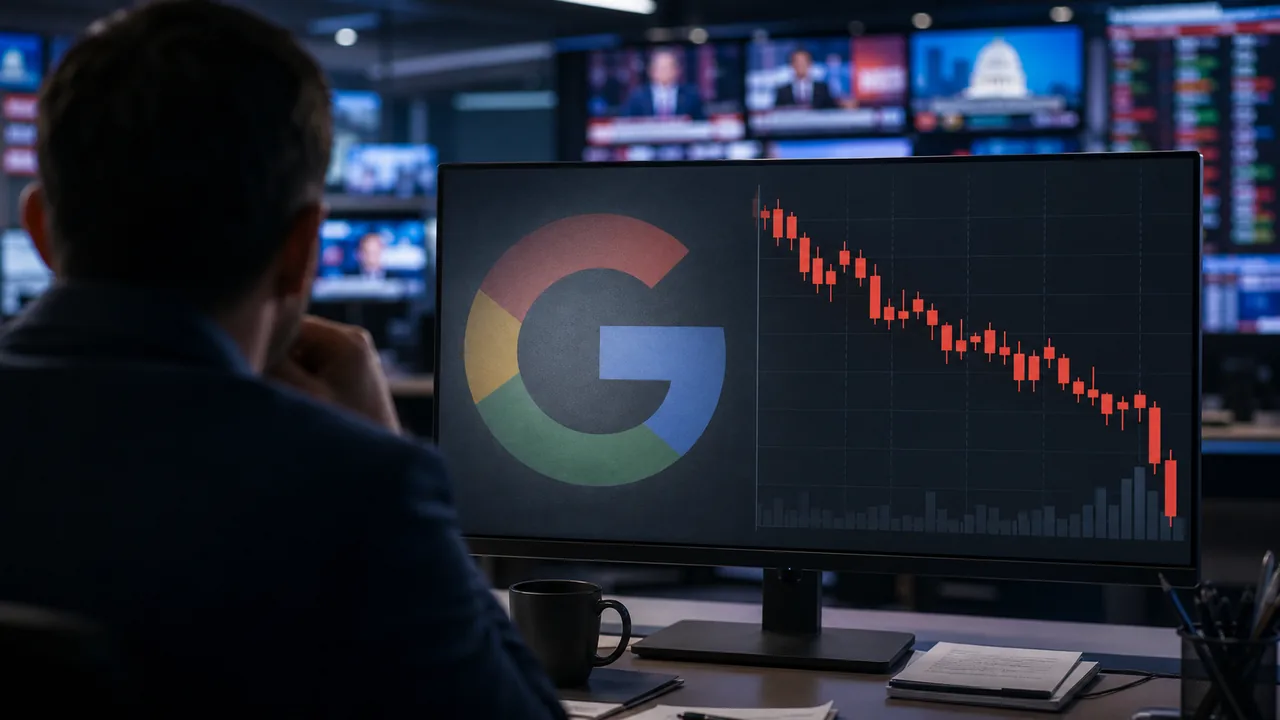
Alphabet fell more than 2% Friday, caught in the same AI capital-spending crossfire as Microsoft and Oracle, despite the broader market posting solid gains earlier in the week. The company has committed to $180–$190 billion in capital spending in 2026, predominantly for AI infrastructure. The Alphabet-Intel chip manufacturing deal signals supply-chain discipline, but when the capex-scrutiny trade runs, diversification messaging isn't enough to outrun the narrative.

 AI Stocks