Relevance 9/10Importance 6/10
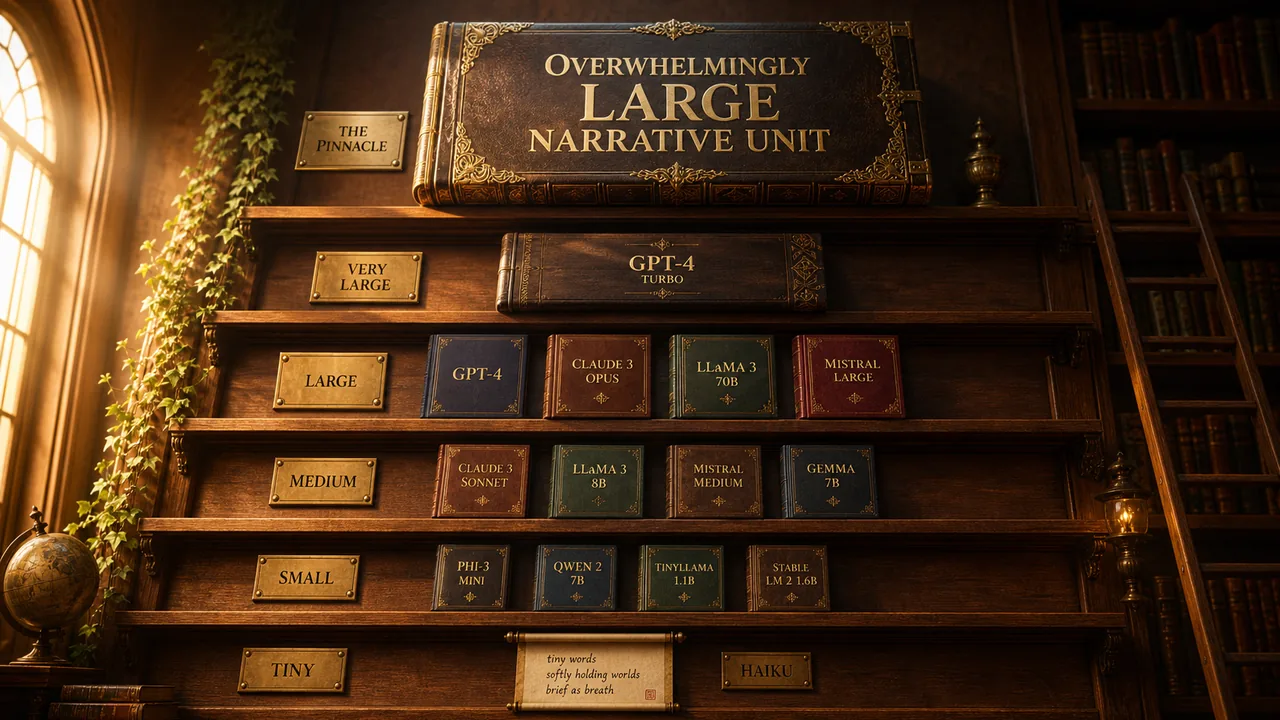
Sam Wilkinson noticed that Anthropic's model names follow a clear literary escalation — Haiku, Sonnet, Opus, Fable, Mythos, Saga — and extrapolated the trend to absurdist extremes, inventing fictional future names like Treatise, Canon, and "Overwhelmingly Large Narrative Unit." It's sharp satire of AI's tendency to dress escalating model costs in increasingly grandiose literary branding. Short, funny, and oddly insightful about how the industry signals ambition through naming alone.
Relevance 8/10Importance 7/10
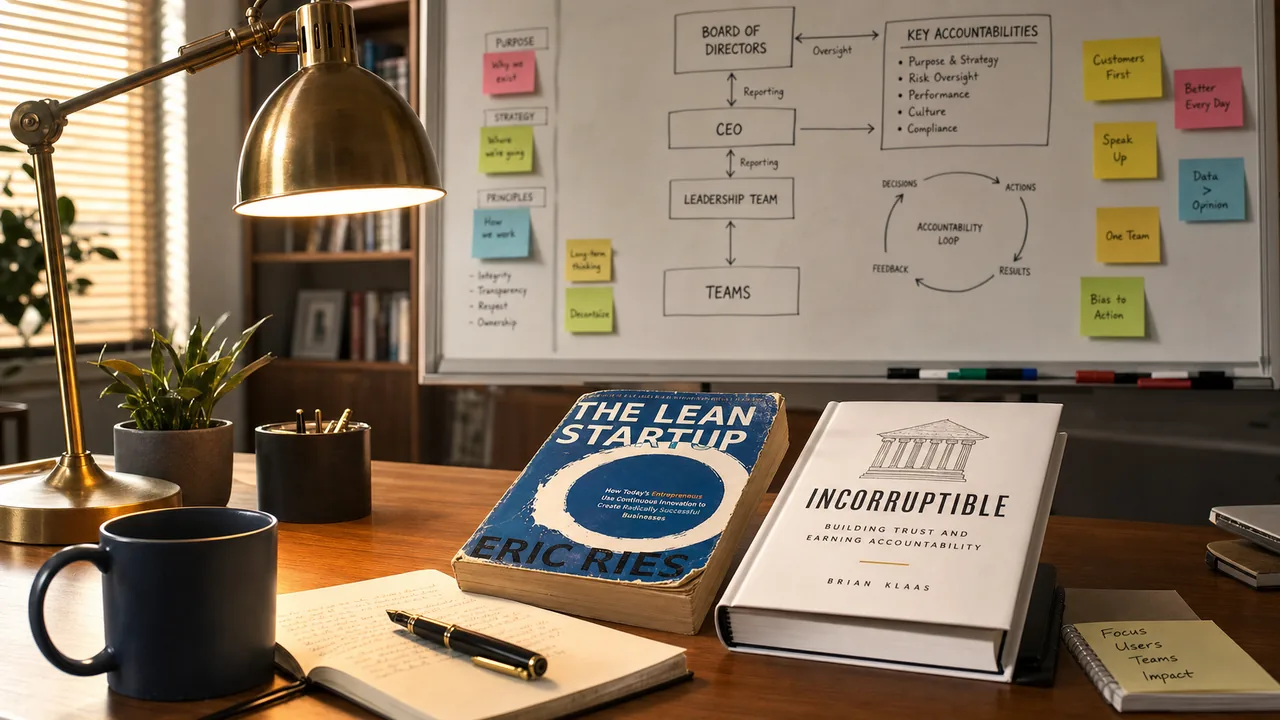
Eric Ries joined Hacker News for a live AMA about his new book "Incorruptible," which examines why successful organizations drift away from their founding missions — a force he calls "financial gravity." He proposes structural solutions like two-entity foundations and employee voting trusts, using Costco, Patagonia, and Novo Nordisk as case studies in mission-protective design. The comment thread is active and substantive.
Relevance 7/10Importance 5/10
HelixDB is an OLTP graph-vector database written in Rust and backed by object storage, designed to unify graph, vector, key-value, document, and relational data in a single system. It targets AI developers who need federated company data access — for memory, knowledge graphs, and application backends — without stitching multiple databases together. Ships with ACID transactions, TypeScript and Rust SDKs, and a managed cloud offering.
Relevance 5/10Importance 6/10
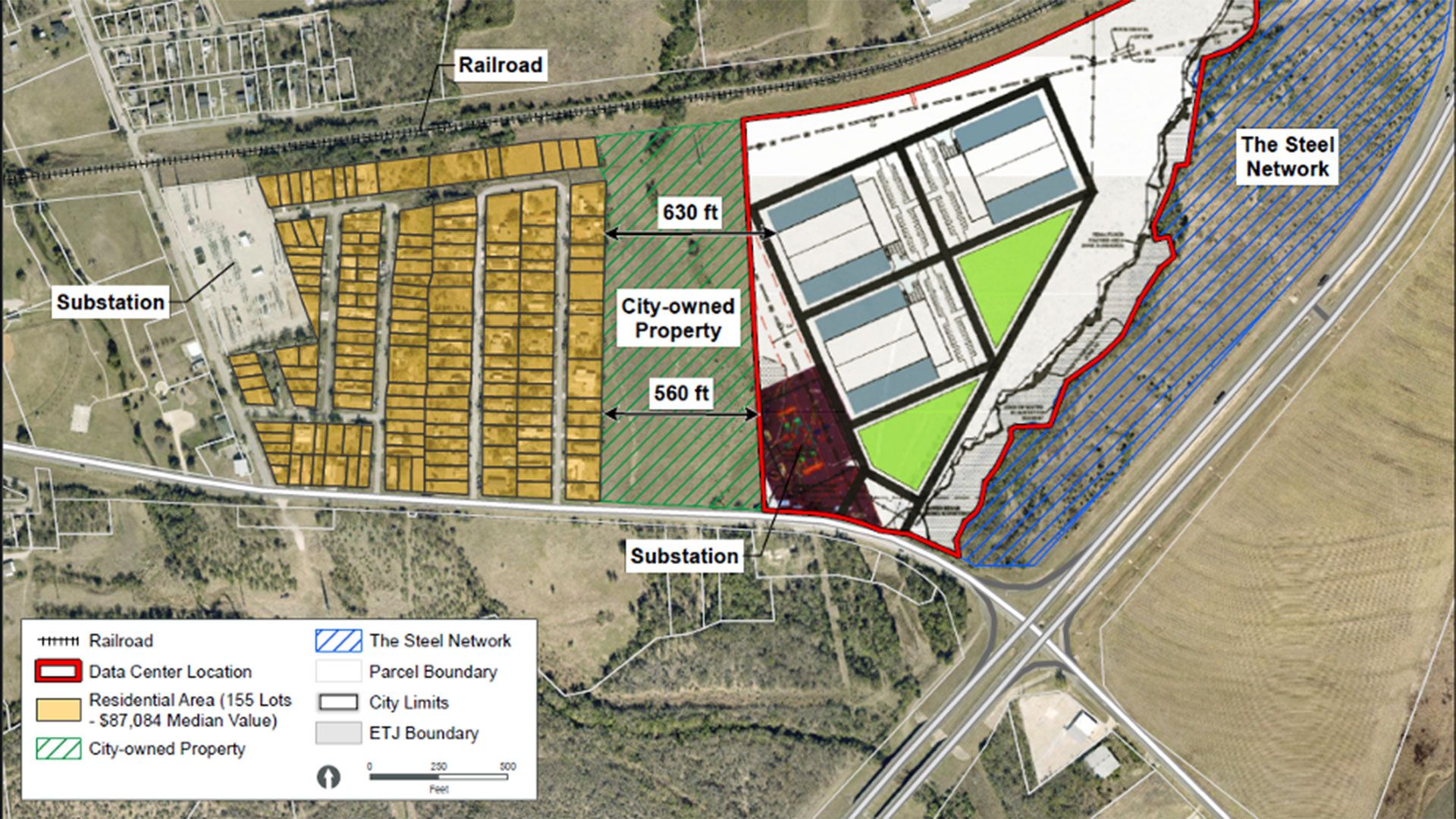
A Texas farmer donated a parcel of land to his city intending it to become a public park, but the city sold it to Blueprint Projects for $10 million to build a data center, with $30 million in tax revenue expected over the next decade. The original deed's charitable intent was set aside for profit, raising pointed questions about donor intent and municipal ethics. It's a tidy parable of the data center land rush swallowing community assets.
Relevance 5/10Importance 6/10
GitHub experienced a brief API authentication outage from 15:20 to 16:39 UTC today, with roughly 15% of API traffic receiving erroneous 401 responses. The incident affected API requests and the Issues service, cascading into CI/CD pipelines and developer tooling across the ecosystem. Engineers identified a problematic infrastructure component and the incident is now fully resolved.
Relevance 4/10Importance 5/10
GeoLibre 1.0 is an open-source, cloud-native GIS platform built with Tauri, React, TypeScript, MapLibre GL JS, and DuckDB-WASM, targeting geospatial analysts seeking a modern alternative to expensive proprietary tools like ESRI ArcGIS. It supports GeoParquet, FlatGeobuf, PMTiles, COG, and 3D Tiles, with a full SQL workspace powered by DuckDB. Available as both a browser app and a native desktop application.
Relevance 5/10Importance 3/10
Thomas Nagel's landmark 1974 philosophy paper argues that even complete objective knowledge of bat neurophysiology cannot capture the subjective experience of echolocation — the classic statement of the "hard problem" of consciousness. It contends that reductive materialism cannot account for qualia, the felt quality of experience. Its reappearance on HN in 2026 almost certainly reflects growing debates about what AI systems might or might not experience.
Relevance 3/10Importance 5/10
An IEEE Spectrum feature profiles the engineering discipline required to keep NASA's Curiosity rover functional and productive on Mars, 200 million kilometers away, 13 years after landing. JPL engineers use meticulous power budgeting, creative scheduling, and remote software patches to extract continued scientific value from hardware with degraded batteries and damaged wheels. It's a remarkable case study in long-haul systems engineering under extreme constraints.
Relevance 2/10Importance 5/10
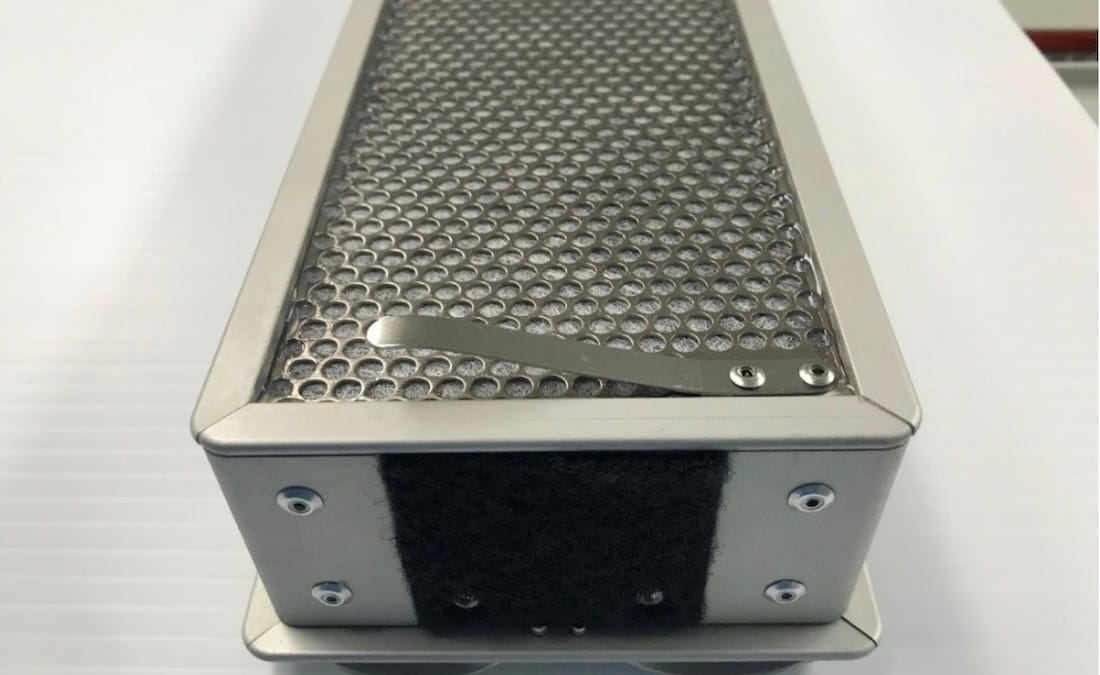
Maciej Cegłowski (idlewords) writes about a bizarre and underreported crisis aboard the International Space Station: siloxane compounds from everyday personal care products contaminated the ISS water recycling system, decomposing under space radiation into water-soluble dimethylsilanediol. The charcoal filters deployed to fix the contamination triggered a mold outbreak — a cascade of unintended consequences in a closed life-support system. A gem of a piece about how mundane chemistry becomes genuinely dangerous in space.
Relevance 1/10Importance 2/10
piFS is a 2012 April Fools project implementing a FUSE filesystem that stores files by locating their byte sequences within the digits of pi, exploiting the conjecture that pi is a normal number containing every possible finite sequence. The obvious catch: storing the metadata about where each file lives in pi requires as much space as the original file, which is the point. It took five minutes to store a 400-line text file, and it remains a perfectly constructed monument to mathematical absurdity.

 HN Briefing PM