← Kilroy’s Daily Briefings
📡 HN Briefing AM

📡 Hacker News Briefing — Wednesday, May 27, 2026 at 12:31 PM

📡 HN Briefing AM5/27/2026🕐 9:00 AMDev pulseMorning

Top stories, ranked by relevance.

Story cards stay below the sticky dock while audio, chapters, date, and brief navigation remain accessible.

#1I Think Anthropic and OpenAI Have Found Product-Market Fit

Simon Willison argues that both Anthropic and OpenAI have finally cracked sustainable revenue through enterprise coding agents, with power users racking up $200+/month in API costs and Uber burning through its annual AI budget in months via Claude Code adoption. Both companies restructured pricing to charge API rates instead of flat fees, and Anthropic inked a staggering $1.25 billion monthly compute deal with SpaceX. Enterprise sales hiring is surging at both companies — 32.6% of new roles at OpenAI, 26.9% at Anthropic — signaling this is their breakout commercial moment.

No image
#2Training Our Own AI Models

PostHog is going all-in on custom AI model training, building on the success of their AI wizard, PostHog AI, and MCP integrations that have proven wildly popular with users. The analytics company plans to train models directly on customer data inside PostHog to make existing products smarter and more proactive, and to launch entirely new products like PostHog Code. It's a bold bet that proprietary data plus domain-specific fine-tuning can outperform generic foundation models for product analytics use cases.

#3Tech CEOs Are Apparently Suffering from AI Psychosis

TechCrunch reports on Box CEO Aaron Levie's coinage of "AI psychosis" — an almost religious, potentially delusional level of belief among tech executives in AI's immediate transformative power. The piece examines whether the C-suite's enthusiasm about AI-driven productivity gains is grounded in reality or represents a collective detachment, with layoffs and restructurings potentially driven more by hype than evidence. It's a sharp counterpoint to today's top story about AI companies finding product-market fit.

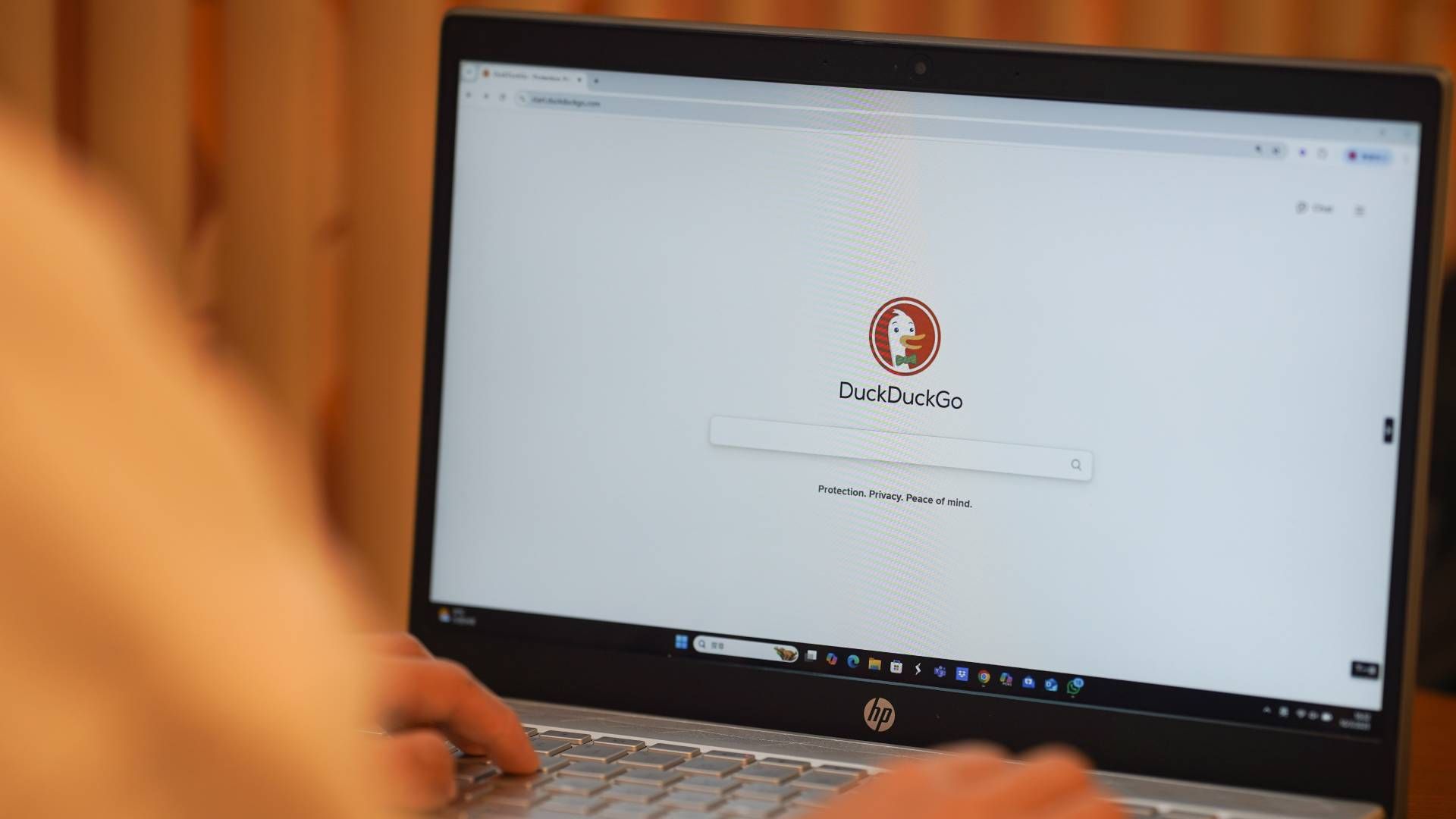
#4DuckDuckGo Search Saw 28% More Visits After Google Said People Love AI Mode

In a delicious bit of irony, DuckDuckGo's AI-free search saw nearly 28% more visits in the week after Google loudly insisted that users love its AI mode. The surge suggests a meaningful cohort of users actively seeking alternatives without mandatory AI integration — "people just want a choice," as DuckDuckGo put it. This is a clear signal that the backlash against AI-everywhere search is translating into real user behavior, not just grumbling on forums.

#5Matrix Multiplications on GPUs Run Faster When Given "Predictable" Data (2024)

A fascinating finding: all-zero matrices hit 295 teraflops on an A100 while random data only managed 257 — a meaningful gap caused by dynamic power consumption. Random data flips more transistors, drawing more power, which triggers voltage throttling and slows the chip down. The takeaway for ML practitioners is that modern GPUs are increasingly power-limited rather than compute-limited, and those marketed peak FLOPS numbers are essentially unattainable in real workloads.

#6Reflex (YC W23) Is Hiring SWEs, Growth, and GTM Roles

Reflex, a Y Combinator W23 company building "the operating system for mission-critical enterprise apps," is hiring across engineering and go-to-market in San Francisco. The open roles include a Growth Lead, GTM Lead for Financial Services, a generalist SWE, and a Lead Infrastructure Engineer, with salaries ranging from $120K to $250K plus significant equity. They combine an open-source framework with managed infrastructure so teams can ship production apps without dedicated DevOps.

#7Last.fm Is Now Independent

After years under corporate ownership, Last.fm announced today that it's operating as an independent company again. The team emphasized continuity — all user accounts, listening history, subscriptions, pricing, and API access remain unchanged with the same team in place. It's a notable moment for one of the web's longest-running music tracking services, though details on who they split from and the deal structure remain sparse.

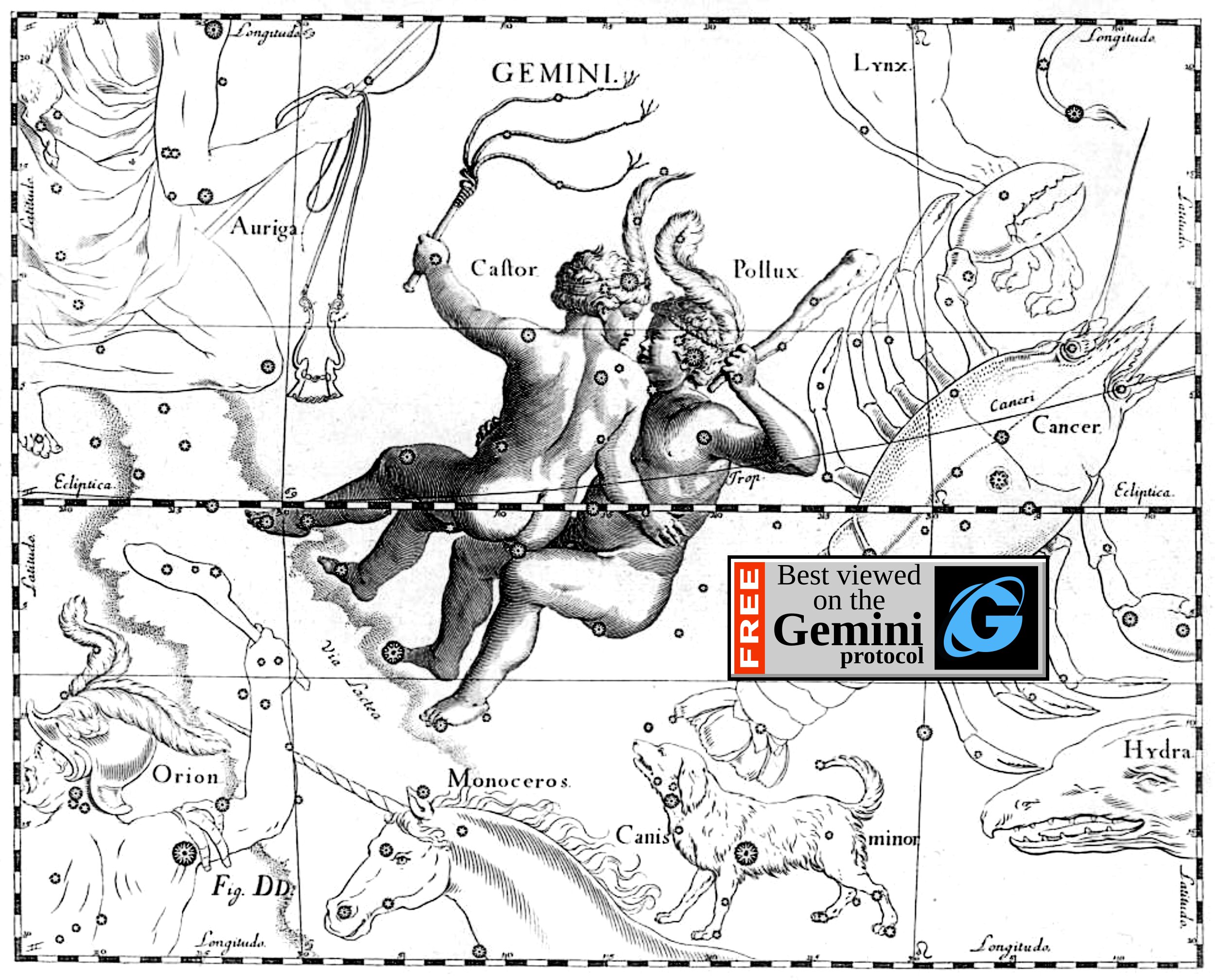
#8Gemini, Gophers, and Fingers: Alternative Internets Beyond HTTPS

Brennan Kenneth Brown explores three alternative internet protocols — Finger (1971), Gopher (1991), and Gemini (2019) — as decentralized, privacy-first alternatives to the modern HTTPS-dominated web. The article argues that with Chrome holding over 80% market share, we face a dangerous technological monoculture, and these minimal, community-driven protocols embody a "solarpunk" vision of technology serving humanity. Their low resource requirements also make them accessible on older hardware, democratizing internet access.

#9Mini Micro Fantasy Computer

Mini Micro is a free fantasy computer — think PICO-8 vibes — built on the MiniScript language, designed for both beginners learning to code and experienced devs building games. It supports sprites, tile maps, sounds, and HTTP, and runs on Mac, Windows, Linux, WebGL, with a mobile version in public alpha. The single-language design means the shell and your programs all use MiniScript, keeping the learning curve gentle while still being powerful enough for real games.

No image

#10SimCity 3k in 4k (2025)

A lovingly detailed guide to getting SimCity 3000 running beautifully at 4K resolution on modern Windows 10 systems, complete with fixes for scaling, mouse acceleration, graphical glitches, and even music restoration. The author walks through applying a GOG widescreen patch, a D3D wrapper, and assorted config tweaks to make the classic city builder fully playable on contemporary hardware. A pure nostalgia play for fans of what many consider the best SimCity.